
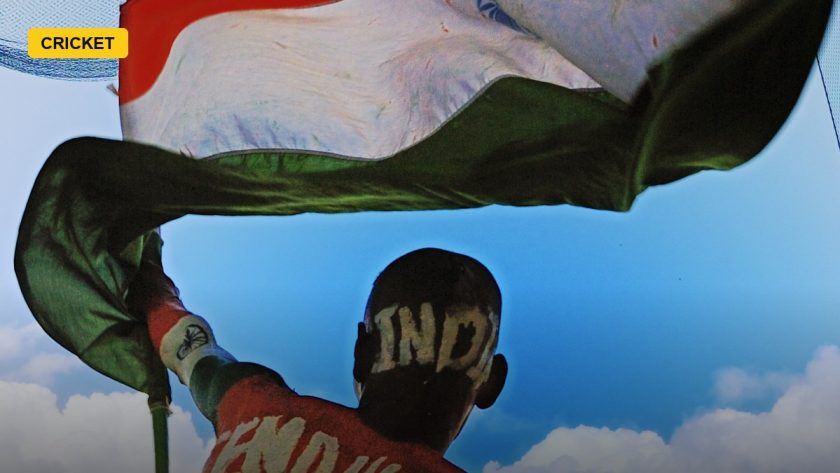
India’s scheduled six-match white-ball tour of Bangladesh, comprising three ODIs on 1, 3 and 6 September and three T20Is on 9, 12 and 13 September, remains in doubt as officials on both sides work to salvage the fixture amid deepening political tensions between the two governments. The series, originally planned for August 2025, was postponed once already and rescheduled to this September window, but a fresh diplomatic flashpoint has complicated preparations just weeks before the first ODI is due to be played. Bangladesh’s Sports Ministry has confirmed the tour is now being negotiated at a ministerial level, with cricket officials on both boards effectively sidelined while foreign ministries determine whether conditions allow the series to proceed at all.
A Diplomatic Flashpoint Over a Press Conference
The immediate trigger for the latest tension was a virtual press conference held by ousted former Bangladeshi prime minister Sheikh Hasina from Delhi on 5 August, which drew a sharp rebuke from Bangladesh’s foreign ministry. Bangladesh’s Home Minister said publicly that India could not simultaneously seek friendly relations while allowing Hasina to make statements from Indian soil that Dhaka regards as undermining the country’s democratic transition. The remarks have injected a fresh layer of friction into a bilateral relationship already strained since the change of government in Bangladesh, and cricket, as the most visible point of regular contact between the two countries, has become the proxy on which that friction is now playing out.
How Cricket Became a Diplomatic Bargaining Chip
The dispute is not limited to the Hasina press conference. Bangladesh Cricket Board officials have also had to navigate the fallout from all-rounder Shakib Al Hasan’s suspension and Bangladesh’s earlier T20 World Cup travel arrangements, both of which have been drawn into the broader political conversation between New Delhi and Dhaka. Bangladesh’s cricket administrators have found themselves negotiating not just playing conditions and venue logistics but questions with no direct connection to sport, illustrating how thoroughly the relationship between the two boards has become entangled with the state of government-to-government relations.
The Case for Proceeding With the Tour
Officials within both cricket boards who favour going ahead argue that sport should be insulated from political disputes wherever possible, and that cancelling a series already delayed once would harm players who have limited international windows to build form and rankings points ahead of the 2027 ODI World Cup cycle. They also note that Bangladesh’s board depends on broadcast and gate revenue from marquee series against India, and a second postponement would carry a real financial cost on top of the reputational one.
The Case for Delay or Cancellation
Officials more cautious about proceeding argue that fielding a full India squad in Bangladesh while diplomatic relations are this fraught risks security complications and public backlash that could overshadow the cricket entirely. Some voices within Bangladesh’s sporting establishment have suggested that a neutral-venue compromise, or a further postponement until relations stabilise, would be preferable to hosting the series under the current strain, even at the cost of near-term revenue.
What Happens Next
With less than three weeks before the first ODI, both boards face a narrowing window to confirm logistics, from visas and security arrangements to broadcast contracts, if the series is to proceed as scheduled. Afghanistan’s cricket board has already confirmed a separate T20I series in Delhi during the same period, giving India a contingency itinerary should the Bangladesh tour be postponed again. Whether this series ultimately goes ahead may hinge less on cricketing readiness than on how quickly the diplomatic temperature between New Delhi and Dhaka cools in the coming days.
A Familiar Pattern in South Asian Cricket
Bilateral cricket in South Asia has repeatedly been shaped by politics rather than sport in recent years, and officials on both boards are conscious of that history as they try to salvage the September window. Cricket administrators in the region have at times relied on multilateral events such as the Asia Cup to keep fixtures between politically strained nations alive even when bilateral tours become untenable, and some officials have privately floated a similar fallback if the current series cannot be salvaged in time. The Bangladesh Cricket Board has been careful to avoid criticising the Indian board directly, instead framing the delay as a matter for national governments to resolve rather than one for cricket administrators.
Photo: B. Sandman / BY via wikimedia