
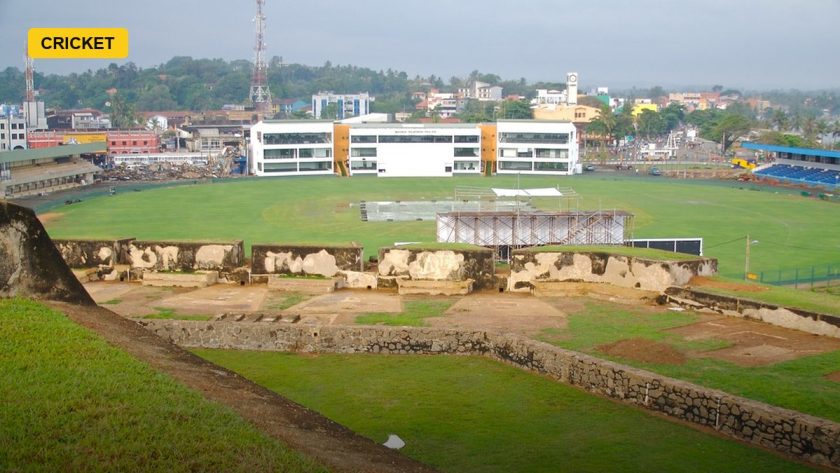
The Galle International Stadium, a ground as synonymous with Sri Lankan Test cricket as its ramparts and lighthouse are with the town itself, is hosting its 50th Test match this weekend, becoming the first Asian venue to reach that landmark. Fittingly, the opponents are India, who by taking the field on Saturday became only the third nation in history to play 600 Test matches, joining England and Australia in that exclusive club. Shubman Gill’s side opted to bat first after winning the toss, with openers KL Rahul and Yashasvi Jaiswal negotiating a watchful start against Sri Lanka’s spin-heavy attack.
A Ground Built for Spin, and for History
Galle has long been the stage for some of Test cricket’s most dramatic finishes, largely because its surface deteriorates rapidly and rewards patient, disciplined spin bowling from around day two onward. Sri Lanka’s attack, spearheaded by the experienced left-arm spinner Prabath Jayasuriya, is built precisely for these conditions, and captain Dhananjaya de Silva has made clear his side intends to exploit the surface’s natural demons rather than rely on pace. For India, that means an opening day of blunting the shine before conditions turn genuinely hostile, a tactical reality that shaped a deliberately cautious start to the series.
Records Litter the Team Sheet
Individual milestones are stacked up all over this fixture. Gill himself arrives needing just 157 runs to reach 3,000 runs in the World Test Championship era, and 50 more to become the first Indian captain to pass 1,000 WTC runs in the current 2025-27 cycle. Wicketkeeper Rishabh Pant, meanwhile, needs only three more sixes to become the first Indian batter to reach a century of sixes in Test cricket, sitting on 97 coming into Galle, a tally that reflects his uniquely aggressive method in the longest format. Jaiswal, still just in his early twenties, needs 109 runs to complete 5,000 runs in first-class cricket altogether, underlining how quickly he has established himself as a fixture at the top of India’s order.
The Bigger Picture: A Must-Win Series for India
These personal landmarks sit against a far less comfortable backdrop for India collectively. The tourists arrive at Galle sitting fifth in the World Test Championship 2025-27 standings on a modest 48.15 percentage points, having suffered a chastening home series defeat to South Africa earlier in the cycle. With Australia dominating the table at 87.50 percent and South Africa entrenched in second, India’s margin for error before the 2027 final at The Oval has all but vanished. Beating Sri Lanka here, and again in the series finale at Colombo’s SSC ground from August 27, is being widely described by former players and commentators as close to essential if India are to keep alive hopes of reaching a third consecutive WTC final.
Two Views on Sri Lanka’s Chances
Optimists around the Sri Lankan camp point to home advantage and Galle’s history of punishing touring sides unfamiliar with its extravagant turn, arguing that a spin attack built around Jayasuriya gives de Silva’s team a genuine route to an upset against a higher-ranked opponent. Skeptics counter that Sri Lanka’s batting has looked fragile in recent home assignments and that India’s own spin resources, including experienced operators used to subcontinental conditions, neutralize much of the home-ground advantage that pace-heavy touring sides usually struggle against. The truth, as so often in Galle, may not be settled until the pitch begins crumbling from day three onward.
Why This Test Carries Extra Weight
Beyond the numbers, there is a symbolic dimension to India’s 600th Test arriving at a ground so steeped in the format’s tradition. It is a reminder that Test cricket, despite years of predictions about its decline in the face of T20 leagues, remains a competitive and closely followed contest between two of the format’s most storied rivals. The occasion has drawn extensive local and international media attention to Galle, a fitting stage given the ground’s own reconstruction after the 2004 tsunami and its subsequent status as one of world cricket’s most cherished venues.
What’s Next
How the first two days play out at Galle will heavily influence not just this series but India’s broader WTC trajectory heading into their next assignment against New Zealand later in the cycle. A losing start would pile further pressure on Gill’s captaincy credentials, still relatively fresh in the role, while a strong performance, individual milestones included, would go some way toward repairing confidence dented by the South Africa reversal. Either way, cricket fans in both countries will be watching a ground with fifty Tests of history add one more compelling chapter.