
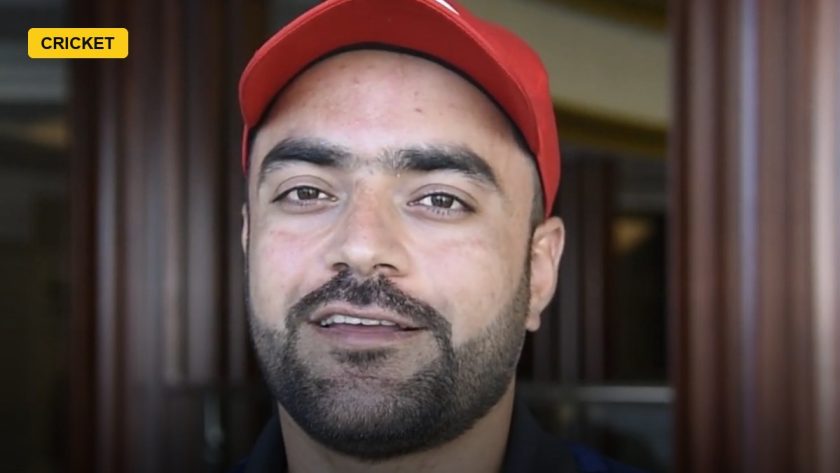
Afghanistan have turned their five-match ODI tour of Ireland into a near-total procession, taking an unassailable 3-0 series lead with a match still to play in Belfast on August 15. It caps a dominant fortnight for a team increasingly comfortable asserting itself against established Full Member opposition, with leg-spinner Rashid Khan once again at the heart of the visitors’ success.
A Series That Started With Rain, Not Runs
The tour began anticlimactically when the opening ODI in Bready on August 5 was abandoned without a ball bowled due to persistent rain, denying both sides an early opportunity to settle into rhythm. Afghanistan wasted little time making up for the lost fixture once play resumed. In the second ODI, also at Bready, they posted 299 for 8 before restricting Ireland to 207 in 33.4 overs, a 92-run win built on disciplined bowling through the middle overs that gave Ireland’s batters little room to build partnerships.
Rashid Khan’s Six-Wicket Haul Turns the Tide
The third ODI in Belfast produced the tour’s most dramatic passage of cricket. Chasing a target set by Ireland, Afghanistan found themselves under genuine pressure before edging home by three wickets with 31 balls to spare, a nervy finish that only added to the occasion. Rashid Khan was the standout performer, claiming a six-wicket haul that dismantled Ireland’s middle order and was subsequently recognized with the Player of the Match award. It was a reminder, if one were needed, that Rashid remains one of the most dangerous white-ball bowlers in world cricket regardless of the opposition or format.
Ibrahim Zadran Provides the Batting Muscle
While Rashid’s bowling has dominated headlines, Afghanistan’s batting has also delivered when required. Ibrahim Zadran’s 84 was instrumental in Afghanistan’s series-clinching victory, giving the innings the kind of top-order stability that has often been the difference between Afghanistan’s rise up the ODI rankings and the inconsistency that once characterized their cricket. The fourth ODI in Belfast followed a similar pattern, with Afghanistan posting a commanding 343 for 9 before restricting Ireland to 301 in 48 overs, a 42-run win that sealed the series with a match to spare.
Ireland’s Perspective: Progress Despite the Scoreline
From an Irish standpoint, the results make for uncomfortable reading, but Cricket Ireland’s coaching staff have been keen to highlight signs of progress within the scoreline. Ireland’s totals of 301 and 343-conceding chases in the third and fourth matches suggest a batting unit capable of competing with a genuinely elite bowling attack, even if their own bowling has repeatedly failed to defend competitive totals against Afghanistan’s deep and increasingly confident batting line-up. Irish selectors have pointed to this series as valuable exposure ahead of future white-ball assignments, arguing that facing a side of Afghanistan’s calibre, even in defeat, sharpens players for tougher assignments to come.
The Broader Context of Afghanistan’s Rise
This series continues a broader trend that has seen Afghanistan establish themselves as one of the most feared white-ball sides outside the traditional cricketing powers. Their combination of world-class spin bowling, led by Rashid Khan and supported by a deep pool of slow-bowling talent, alongside batting that increasingly features players with global franchise league experience, has made them a side capable of troubling any team in ODI cricket. Results like this one in Ireland, however routine they may look on the scoreboard, form part of a pattern of consistent performances that has strengthened Afghanistan’s case for greater recognition and more fixtures against the sport’s leading nations. Afghanistan Cricket Board officials have repeatedly used series like this one to lobby for additional bilateral fixtures against the game’s traditional heavyweights, arguing that limiting a side of this quality to sporadic assignments against fellow associate-turned-full-member nations undersells both the team’s ability and the wider growth of the sport in the region.
What’s Next
The fifth and final ODI in Belfast on August 15 is now a dead rubber in terms of the series outcome but remains an opportunity for both sides to fine-tune combinations. Ireland will be eager to salvage some pride and identify positives to build on, while Afghanistan’s focus will likely shift toward giving fringe players game time before their next major assignment. For Rashid Khan and his teammates, this series serves as further evidence that Afghanistan’s rise in white-ball cricket is no longer a surprise but an expectation, and one that opposition boards will increasingly have to plan for rather than dismiss.