
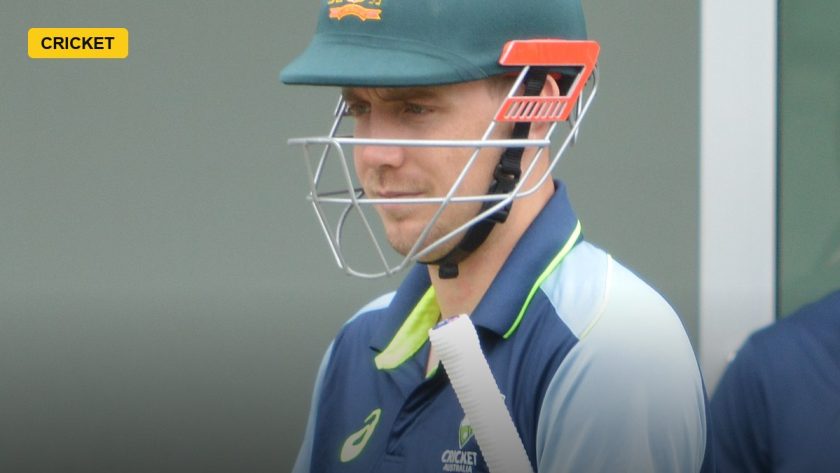
Cameron Green’s unbeaten century in Darwin will be remembered as one of Australian Test cricket’s great rearguard efforts in a losing cause. Arriving at the crease with his side reeling at 73 for 3 in the second innings, chasing to merely offset a first-innings deficit of 226 runs against Bangladesh, the all-rounder ground out a fighting hundred that dragged Australia to 284 all out. It was not enough. Bangladesh, needing just 57 to win, completed victory inside four days, and Green’s innings, while widely praised, has instead become the focal point of an uncomfortable question for Australian cricket: how did the top order collapse so badly against a touring side that had been bowled out for 54 in a warm-up match only days earlier?
A Chase That Told Two Stories
Green’s century, compiled through a mix of watchful defense against Hasan Mahmud’s reverse swing and calculated aggression once he found his rhythm, was the only substantial partnership-anchor of the innings. According to match reports from cricket.com.au, no other Australian batter passed fifty in either innings, a statistic that has drawn scrutiny of the top six’s shot selection and shot execution on a Darwin surface offering uneven bounce but nothing considered unplayable by regional standards.
Steve Smith’s Struggles Add to the Concern
Compounding the batting worries was the dismissal of veteran Steve Smith, who fell to Mehidy Hasan Miraz as Australia slipped to 161 for 4 late on day three, a wicket that effectively ended any hope of saving the match outright. Smith’s Test average in home conditions has long been a point of pride for Australian cricket, and his early dismissal in a match Australia were meant to dominate has fed a broader narrative about senior batters being examined ahead of a busy home season.
Selectors Face Immediate Pressure
With the second Test of the series still to come, Australian selectors are reportedly reviewing top-order combinations, weighing whether returning to more conventional venues will solve a problem that some believe is more about technique than surface. Cricket commentators, speaking on Australian broadcast coverage, have split on the explanation: some argue Darwin’s unfamiliar drop-in surface, new to the international rotation, exaggerated batting frailties that would not show up elsewhere, while others insist Bangladesh’s bowling unit, led by Hasan Mahmud’s nine-wicket match haul, was simply the better attack over the four days.
Green’s Own Rise Continues Regardless
For Green personally, the century adds to a growing reputation as a batter capable of digging in under pressure rather than merely being a power-hitting all-rounder, a skillset Australian team management has wanted to see more consistently since his move up the order. Teammates and coaching staff, according to post-match commentary, praised his temperament, even as the result went against the team.
A Rare Home Defeat to a First-Time Visitor
Bangladesh’s win marks their first Test victory on Australian soil in the two nations’ history and comes on just their fourth tour to the country, with 23 years having passed since their last visit. Historically, Australia have been almost impregnable at home against sides ranked below the traditional “big three” of India, England and themselves, making this result one of the more startling upsets of the current World Test Championship cycle.
What Comes Next
Australia now must win the second Test to draw the series level, a must-win scenario that will likely prompt at least one change to the top order, according to reporting circulating in Australian cricket media. For Bangladesh, the challenge is different: converting a famous away win into a series victory, something no previous Bangladesh Test side has achieved in Australia. Both camps have only days to regroup before what has quickly become one of the most closely watched Tests on the 2026 calendar, with plenty riding on it for reputations on both sides of the ledger.
A Wake-Up Call for the Selection Panel
Australian chief selector and support staff are reportedly reviewing footage of every dismissal from the Darwin Test, according to domestic broadcast commentary, in an effort to distinguish genuine technical flaws from conditions-driven failures. Names being floated for potential inclusion in the second Test include batters currently in strong form in Sheffield Shield cricket, though wholesale changes this early in a home summer would be unusual by Cricket Australia’s typically conservative selection standards. Green’s innings has, if anything, strengthened his case to bat higher in the order, with some pundits suggesting his technique against spin and inclination to absorb pressure make him better suited to first-drop than his current position. For a squad that entered the series among the favorites for the current World Test Championship cycle, the loss represents an early setback that puts extra scrutiny on every remaining fixture, including a home summer that was expected to be a stroll before Bangladesh’s shock victory reset expectations entirely.