
Afghanistan have closed out their five-match ODI tour of Ireland in emphatic fashion, winning four of the five matches — the opener at Bready was abandoned without a ball bowled — to complete a 4-0 sweep built on Rashid Khan’s all-round dominance and a series-sealing century from Rahmat Shah in Belfast. It is exactly the kind of result Afghanistan’s team management wanted heading into a busy international calendar, a statement of strength in depth against a determined but ultimately outgunned Ireland side.
A series that got going in Bready
After the washout in the opener, Afghanistan needed just one match to find their rhythm. In the second ODI at Bready, they posted 299-8 and bowled Ireland out for 207 to win by 92 runs, a margin that set the tone for the rest of the tour. The venue shift to Belfast for the remaining fixtures did nothing to slow Afghanistan down, as they carried that momentum through tighter, more competitive contests in the matches that followed.
The nervy third ODI and Rashid’s all-round hand
The third ODI in Belfast was by far the closest match of the series. Ireland posted 206, and Afghanistan were made to work for the chase, eventually getting home by three wickets with 31 balls to spare. Rashid Khan was the difference, contributing an unbeaten 37 with the bat alongside figures of 3-44 with the ball to claim Player of the Match honours — a reminder that Afghanistan’s captain-in-waiting figure is as valuable in a tight run-chase as he is as a wicket-taking spinner in home conditions.
Building a series-defining margin
Afghanistan pressed home their advantage in the fourth ODI, posting a commanding 343-9 before restricting Ireland to 301, winning by 42 runs despite conceding a competitive score themselves — evidence of a batting order capable of setting imposing totals rather than relying purely on containment bowling. By the time the sides reached the fifth and final match, the series outcome was already decided, but Afghanistan showed no signs of easing off, treating the dead rubber as seriously as the earlier fixtures.
Rahmat Shah closes it out in style
The final match produced the individual highlight of the tour. Chasing Ireland’s 298-7, Afghanistan got home by six wickets, with Rahmat Shah anchoring the pursuit with an unbeaten 143 off 133 balls, laced with 13 fours and two sixes, finishing the job with a boundary off the penultimate ball of the 49th over. It stands as Afghanistan’s highest successful ODI chase, a statistic that speaks both to Ireland’s improved competitiveness with the bat across the series and to the composure Rahmat Shah showed under pressure in a run-chase that never fully settled until the closing overs.
Two views on what the series revealed
From within the Afghanistan camp, the series is being framed as validation of the squad’s depth — a batting order capable of grinding out totals and chasing under pressure, paired with Rashid Khan’s continued brilliance across both disciplines, all while resting or rotating personnel through a long tour. Irish observers, meanwhile, point to genuine positives despite the lopsided scoreline: totals of 301 and 298 in the final two matches show a batting unit no longer collapsing meekly against quality spin and pace, even if the bowling attack still lacks the firepower to defend those totals or apply sustained pressure on Afghanistan’s top order. The gap in results was wide, but the gap in competitiveness, by Ireland’s own admission, narrowed as the series progressed.
What’s next
For Afghanistan, the clean sweep — barring the washout — adds to a growing body of evidence that this is a side maturing into a genuinely dangerous 50-over unit, with Rashid Khan’s Player of the Series haul of 50 runs and 12 wickets underlining his status as one of the format’s most complete performers. With ODI World Cup qualification and ranking points in play across the next cycle, results like this against full-member opposition matter well beyond the immediate bragging rights. For Ireland, the challenge now is converting improved batting performances into results, particularly finding bowling options capable of defending totals in the 290-300 range rather than watching Afghanistan’s top order cruise past them. Both sides head into the rest of a congested 2026 calendar with different lessons to carry forward — one riding a wave of confidence, the other searching for the missing piece to turn narrow defeats into wins.
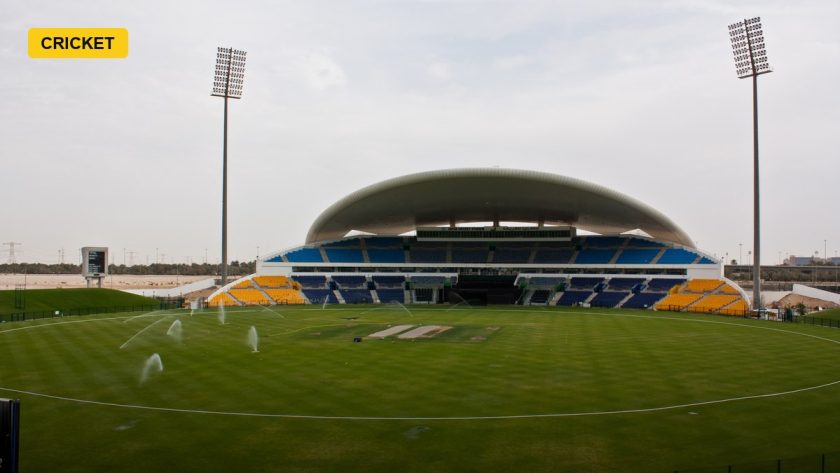
Photo: Dominic Scaglioni / BY via wikimedia