
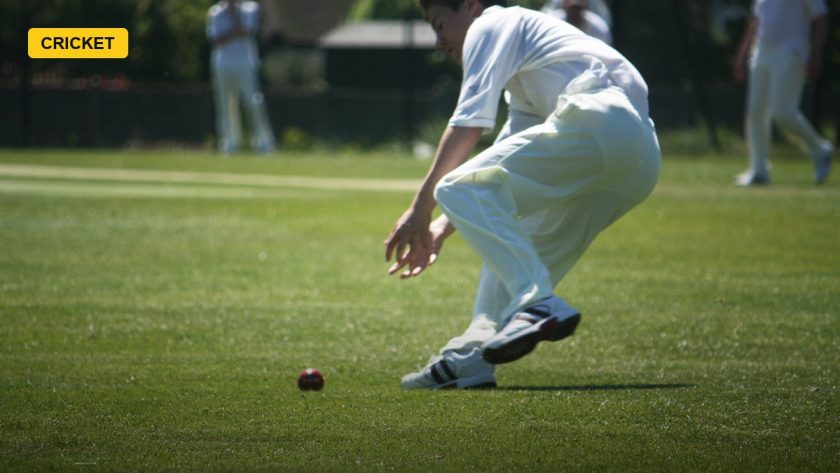
The Board of Control for Cricket in India has opened its 2026-27 domestic season with a calendar of unprecedented scale, announcing that 1,788 matches will be played across age groups and formats in men’s and women’s cricket over the coming year. The campaign got underway on 23 August with the Duleep Trophy, India’s zonal first-class tournament, running through to 10 September at venues across the country.
A season built on volume and depth
According to the BCCI’s official announcement, the 2026-27 domestic season spans Senior, Under-23, Under-19 and Under-16 competitions for men, alongside an equally extensive Senior, Under-23, Under-19 and Under-15 structure for women. The sheer number of fixtures underlines the BCCI’s stated ambition of widening the base of Indian cricket, giving thousands of contracted and aspiring domestic cricketers competitive match time before the international calendar and Indian Premier League auctions later in the cycle.
Duleep Trophy sets the tone
The zonal Duleep Trophy, now in its 63rd edition, opened the season with six teams — Central, East, North, North East, South and West Zone — competing in a straight knockout format. Central Zone and South Zone, seeded as the two strongest sides, were handed byes directly into the semi-finals, while the remaining four zones played off in quarter-finals to start the competition. The format is often used as an early trial for players jockeying for a first-class recall or a maiden India call-up.
Ranji Trophy and the road ahead
The showpiece Ranji Trophy is scheduled to begin on 11 October and run in a split-season structure, with the first phase concluding on 5 November before the competition resumes from 17 January through the knockout rounds. The Elite division will feature 32 sides across four pools, with a further six teams competing in the Plate section, a format the BCCI says is designed to balance player workload with the demands of a packed multi-format calendar. The Men’s Under-23 State A Trophy and the Vizzy Trophy have both been converted from 50-over competitions into T20 tournaments this cycle.
Support and scepticism from within the game
Domestic coaches have broadly welcomed the scale of the calendar, arguing that more matches mean more chances for uncapped players to be seen by national selectors, particularly with several senior India players managing workloads outside the bilateral calendar. But some state association officials have privately voiced concern that 1,788 matches across so many age groups will stretch grounds staff, umpiring panels and travel budgets at the state level, especially for smaller associations without the infrastructure of BCCI’s wealthier units. There is also debate over whether shortening the Ranji Trophy pathway with a split season adequately protects red-ball conditioning ahead of India’s Test commitments.
Why this domestic season matters
The scale of this year’s calendar comes as the BCCI continues to lean on its domestic structure as the primary pipeline for national selection, particularly with several fringe India players needing consistent first-class cricket to stake claims for Test and one-day squads. Defending Ranji Trophy champions Jammu and Kashmir, who won their maiden title in February, will open the new season’s ceremonial curtain-raiser against a Rest of India side, a fixture the BCCI traditionally uses to mark the changeover between domestic seasons.
Among the more notable structural shifts is the conversion of the Men’s Under-23 State A Trophy and the Vizzy Trophy from one-day competitions into T20 tournaments, a change the BCCI has framed as aligning age-group cricket more closely with the format increasingly used to identify IPL-ready talent. Coaches working with India’s Under-23 pool have offered mixed views on the switch, with some arguing it better prepares young batters for franchise auctions, while others worry it reduces the number of long-format opportunities available to players who might otherwise develop into Test prospects. Selectors say they will track the expanded women’s Under-15 and Under-19 structures particularly closely this cycle, given how directly those age groups now feed into the senior women’s set-up.
What’s next
With the Duleep Trophy running until 10 September and the Ranji Trophy kicking off a month later, the domestic calendar will dominate India’s cricket landscas through the winter. Selectors, state associations and players alike will be watching closely to see whether the expanded structure delivers on its promise of unearthing fresh talent without overloading the system that underpins it.
Photo: Graham S Dean Photography / BY-SA via flickr