
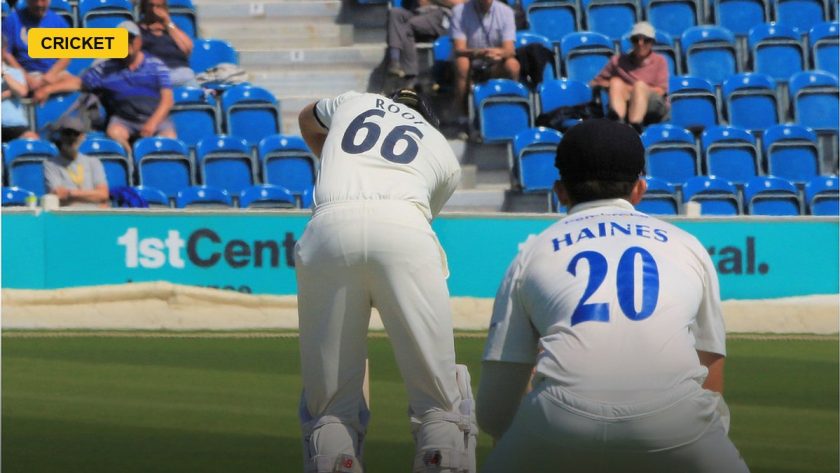
Joe Root’s second stint as England Test captain began in emphatic fashion as England swept Pakistan away by an innings and 103 runs inside three days at Headingley, the opening Test of a three-match series that followed Ben Stokes’ shock retirement from international cricket. The result gave Root a winning start to a leadership tenure he did not expect to hold again.
From Vice-Captain to Leader Once More
Root, who previously captained England in 64 Tests between 2017 and 2022 before handing over to Stokes, was reinstalled at the helm after Stokes’ retirement left a sudden vacancy atop the Test side. The appointment was widely seen as a pragmatic, low-risk choice by selectors given Root’s continued standing as one of the side’s most consistent performers and his prior experience leading the group through periods of transition. Root said he was “overwhelmed” by the trust shown in him but stressed the current squad would look to build its own identity rather than simply reprise the aggressive “Bazball” approach associated with Stokes and coach Brendon McCullum.
A Dominant Team Performance at Headingley
England’s bowlers set the tone, sharing wickets across the attack to bowl Pakistan out cheaply in the first innings before the top order built a substantial total that put the tourists under pressure from the outset. Pakistan’s batting struggled to cope with disciplined, full-length bowling on a pitch offering some seam movement throughout, and the tourists were dismissed a second time inside three days, handing England the innings victory and a 1-0 series lead. The margin was one of the more emphatic Headingley has produced in recent Ashes and home summer cycles.
The Squad Root Inherited
Root’s squad for the series included Ben Duckett, Ollie Pope, Jamie Smith, Ollie Robinson, Josh Tongue, Jordan Cox, Dan Lawrence, Emilio Gay, Matthew Fisher, Sam Cook and Brydon Carse, a blend of established performers and younger players brought in as England continues to refresh its Test-match core in the post-Stokes era. The captaincy change also raised questions about the balance between red-ball leadership and white-ball responsibilities, with the England and Wales Cricket Board indicating it wanted continuity in the dressing room rather than a wholesale reset of personnel or tactics.
Contrasting Views on the Captaincy Change
Supporters of the appointment argued Root’s tactical acumen and calm public demeanor were exactly what England needed after the disruption of Stokes’ abrupt departure, providing stability at a moment when the dressing room could easily have fractured. Skeptics questioned whether Root, at this stage of his career and given his primary value as a batter, was best served by carrying the additional weight of captaincy again, pointing to earlier stretches of his first tenure when leadership duties appeared to affect his own run output. Root’s response, an unbeaten start with an innings win, offered an early rebuttal to those doubts, though former England captains cautioned that a truer test would come against sterner opposition later in the WTC cycle.
Overshadowed by Off-Field Drama
The positive momentum from Headingley was quickly complicated by an off-field incident involving Brydon Carse, who was arrested and later de-arrested following a night out in Derby, forcing his withdrawal from the squad for the second Test. Root’s visible frustration over the episode, describing himself as “hacked off,” illustrated the balancing act facing any new captain: managing results on the field while also policing conduct off it.
What It Means and What’s Next
Root’s winning start at Headingley, followed by a series-sealing 194-run victory at Lord’s, gave England a 2-0 lead with a Test still to play, a considerably more comfortable position than many expected given the turbulence surrounding Stokes’ exit. The captaincy experiment will face its first true examination against stronger opposition later in the World Test Championship cycle, but for now Root has answered the immediate question of whether England’s dressing room could regroup quickly. The bigger long-term question, whether the arrangement is a bridge to a younger captain or a multi-year commitment, remains one selectors have yet to publicly resolve. Root himself has been reluctant to speculate publicly on the length of his tenure, preferring to focus on results in front of him rather than long-term planning, though teammates have suggested privately that his appetite for the role appears greater the second time around, freed from some of the pressures that accompanied his earlier, longer-running first stint. English cricket writers have also noted that a settled, senior captain offers useful stability for a coaching staff simultaneously managing personnel changes across both the bowling and batting units following Stokes’ departure.