
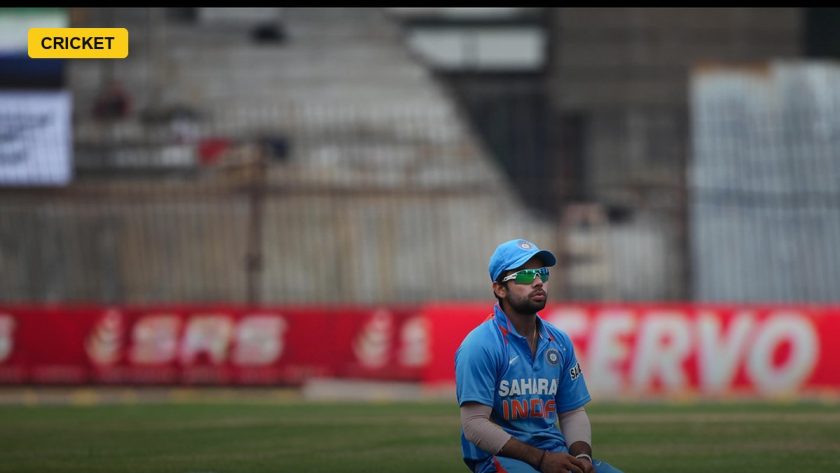
Ben Stokes has signed with the Adelaide Strikers for the 2026-27 Big Bash League season in a deal reported to be worth around 500,000 Australian dollars, a figure that surpasses the league’s previous maximum overseas salary and is set to make the England all-rounder the most expensive player in BBL history. The 35-year-old will feature across every stage of BBL|16, a full-season commitment that stands apart from the partial campaigns most touring internationals typically negotiate with Australian franchises.
Strikers Move Fast to Beat Rivals
Adelaide moved decisively to secure Stokes’ signature, reportedly getting the deal over the line ahead of interest from both the Sydney Sixers and the Melbourne Renegades, two clubs known to have been chasing the England captain for the same window. The speed of the negotiation reflects how competitive the market for marquee overseas talent has become since Cricket Australia overhauled its contracting system, and it gives the Strikers a genuine box-office name to anchor a squad that has struggled for consistency in recent seasons.
Stokes Embraces a Fresh Chapter Down Under
Confirming the move, Stokes said he had always enjoyed playing in Australia and that the chance to join the Strikers was one he could not pass up, adding that he was looking forward to featuring at one of the country’s most iconic venues. Australian opener Travis Head, a teammate Stokes has faced repeatedly in Ashes cricket, publicly welcomed the signing as a significant step toward drawing top international talent back into the Big Bash and even offered the all-rounder a place to stay in Adelaide over the summer, a small but telling gesture of the goodwill surrounding the deal.
The End of the Overseas Draft Era
The Stokes signing lands just weeks after Cricket Australia confirmed it was scrapping the overseas player draft entirely in favour of a return to direct, open-market signings, the same system that governed the league before 2022. Under the new framework, each of the eight BBL clubs operates with a shared marquee fund worth between 1.35 million and 1.375 million Australian dollars, which can be split across up to four marquee-tier signings, giving franchises considerably more flexibility to pursue specific targets rather than relying on a centralised draft process.
Part of a Wider Recruitment Wave
Stokes’ arrival is one of several high-profile moves reshaping rosters ahead of BBL|16. Adam Zampa has committed to a two-year deal with the Hobart Hurricanes covering both the 2026-27 and 2027-28 seasons, while Tom Curran has been confirmed as Brisbane Heat’s first international recruit for the campaign. Sydney Sixers have added white-ball specialist Tim Seifert off the back of a strong Hundred campaign in England, and Perth Scorchers have brought in Calvin Harrison, underlining how aggressively clubs across the competition are using the new open-market rules to rebuild their overseas contingents.
Skeptics Question the Full-Season Commitment
Not everyone in Australian cricket circles is convinced the deal is without risk. Stokes has a long history of managing a heavy workload across formats and has missed stretches of cricket in recent years due to injury and workload management, prompting some commentators to question whether a 35-year-old carrying the physical demands of Test captaincy can realistically deliver on a commitment spanning every stage of the tournament. Strikers officials have countered that the timing of the deal, arriving after England’s international commitments wind down for the year, gives Stokes a genuine off-season window to prepare specifically for the Big Bash rather than arriving fatigued from a packed international calendar, a scheduling quirk that made the approach possible in the first place.
Raising the Big Bash’s Global Profile
For a league that has at times struggled to attract the biggest names away from franchise competitions in India, the Emirates and elsewhere, landing a player of Stokes’ stature for a full season is a statement signing that organisers will hope resets perceptions of the BBL’s earning power and prestige. Cricket Australia executives have been candid in recent seasons about the competition’s need to close the financial gap with rival T20 leagues, and the willingness of a club to break the previous overseas salary ceiling by a significant margin suggests genuine appetite among franchises to reinvest broadcast revenue into player payments. With marquee funds now directly negotiable rather than allocated through a draft, expect further high-value deals to be announced in the weeks ahead as clubs finalise their squads before the 2026-27 season gets underway, with at least two more overseas headline names reportedly in advanced discussions with rival franchises.