
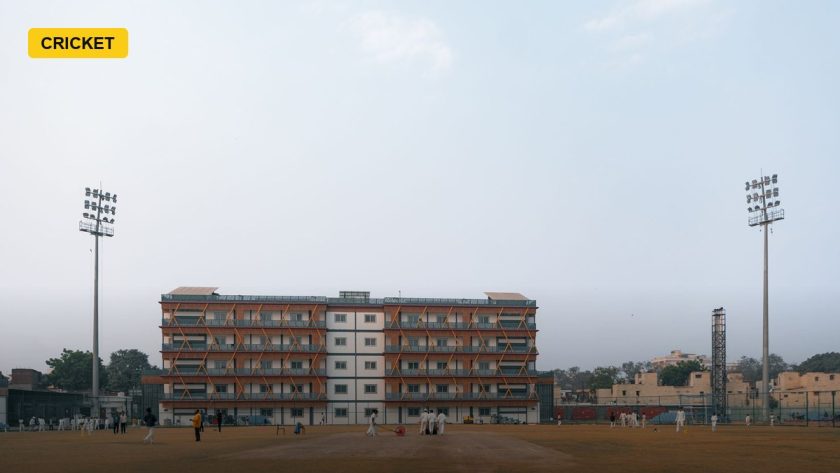
West Indies begin a three-match ODI series against India on September 27, 2026, at the Greenfield International Stadium in Thiruvananthapuram, the first leg of a wider tour that also includes a five-match T20I series in early October. The tour arrives at a pivotal moment for both sides as they look to build momentum in the 50-over format ahead of a congested run of white-ball cricket.
Schedule And Venues
Following the series opener in Thiruvananthapuram, the two teams travel to Guwahati for the second ODI on September 30, before concluding the 50-over leg at the new stadium in Mullanpur, New Chandigarh, on October 3. The tour then shifts to T20Is, with four matches pencilled in for October 6, 9, 11 and 14, giving both camps an unusually long and detailed look at each other across formats inside a three-week window.
India’s Selection Priorities
For India, the series comes hot on the heels of a T20I series against Afghanistan and represents a chance to test their ODI depth outside the biggest global tournaments, with selectors keen to identify options in the middle order and among back-up seamers before a heavier 50-over commitment later in the cycle. India’s white-ball set-up has generally rewarded form over reputation in bilateral cricket over the past year, and several players who impressed in franchise cricket and domestic List A competitions will be hoping a strong showing against West Indies translates into sustained international opportunities.
West Indies’ Rebuilding Effort
West Indies travel to India in the midst of a broader rebuild across formats, having already toured extensively through 2026 including assignments against Pakistan and Sri Lanka. Their batting unit, in particular, has faced scrutiny for its inconsistency away from Caribbean conditions, and this series represents a stern examination against an Indian attack well-suited to home conditions. The tourists will also be balancing workload considerations with several key contracted players committed to franchise leagues around the world, a persistent tension for West Indies Cricket in fielding their strongest possible XI for bilateral assignments.
Contrasting Perspectives
Indian team management have spoken about using the series to fine-tune combinations without the pressure of a global tournament looming immediately, framing it as low-risk, high-value preparation time. West Indies’ coaching staff, by contrast, have stressed that every fixture against a top-ranked side carries developmental importance for a squad still finding its best blend of youth and experience, arguing that results against India, even in defeat, provide invaluable calibration for a team looking to climb back up the ODI rankings. There is also recognition within West Indies cricket circles that a competitive series in India would be a significant statement given the historical difficulty touring sides have had against India’s spin-heavy attack on slow, turning pitches.
What’s Next
Beyond the immediate series, both boards will be watching performances closely with an eye on longer-term squad planning, including the T20I leg that follows immediately after the ODIs conclude on October 3. For India, the series also sits alongside preparations for the Asian Games cricket competition running concurrently in Japan, meaning selectors will be juggling player availability across two significant assignments in the same window, a scheduling squeeze that underlines just how packed the international cricket calendar has become in this cycle.
Conditions And Pitch Preparation
Curators at Thiruvananthapuram, Guwahati and the new Mullanpur venue in Chandigarh have all prepared surfaces expected to offer a fair contest between bat and ball, though October heat and humidity in Kerala specifically has historically been a factor touring sides need to manage carefully across a full 50-over innings. West Indies’ support staff have been working through detailed hydration and rotation plans given the physical demands of fielding for extended periods in such conditions, an often-overlooked variable that can influence team selection as much as raw form.
India’s home advantage extends beyond conditions alone, with the crowd support at all three venues, particularly Guwahati’s Barsapara Stadium, expected to create an atmosphere that has historically unsettled touring batting line-ups during the middle overs when required rates start to climb. West Indies’ recent visits to India have produced mixed results, and the tourists will be eager to show that lessons learned from previous tours have been absorbed into their current approach against India’s varied spin and pace options. Team analysts on both sides have spent recent weeks poring over match-up data from prior encounters, looking for small tactical edges that could prove decisive across a series where home advantage remains a significant, if not insurmountable, factor.
Photo: Arto Suraj / PEXELS via Pexels