
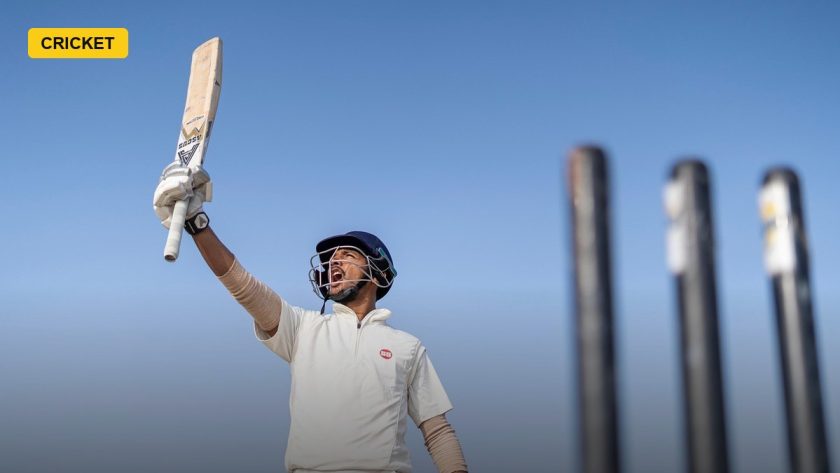
Pakistan named their 15-member squad for the ICC Men’s T20 World Cup 2026 under new captain Salman Ali Agha, a selection notable as much for who was left out as who made the cut. Wicketkeeper Mohammad Rizwan and fast bowler Haris Rauf, both long-standing fixtures of Pakistan’s white-ball set-up, were among the high-profile omissions, while star batter Babar Azam retained his place in the squad.
A Squad In Transition
The decision to leave out Rizwan, one of the most prolific T20I run-scorers of the past several years, and Rauf, a strike bowler who has been central to Pakistan’s death-overs plans, signals a deliberate shift by the selection panel toward a new core group built around Salman Ali Agha’s captaincy. Babar Azam’s retention, by contrast, suggests selectors still see a role for the veteran batter’s experience and class even as the squad around him undergoes significant change, a balancing act that has become a recurring theme in Pakistan cricket’s selection conversations over the past year.
The Reasoning Behind The Calls
Selectors pointed to recent form and fitness considerations in explaining the omissions, part of a broader effort to build a squad they believe offers greater balance and adaptability heading into the tournament, co-hosted by India and Sri Lanka from February 7 to March 8. The panel’s willingness to drop two players with genuine international pedigree reflects a wider trend across several boards during this squad-announcement cycle, with other major nations, including Australia and England, also making notable late changes to their line-ups before the deadline.
Reaction Within Pakistan Cricket
The decision generated substantial debate among Pakistan’s cricket followers and former players, split between those who welcomed a bolder, more forward-looking selection approach and those who questioned dropping proven performers of Rizwan and Rauf’s calibre ahead of a global tournament where experience in high-pressure knockout cricket often proves decisive. Former internationals weighed in on both sides, with some arguing the squad lacked the kind of death-bowling firepower Rauf specifically provided, while others backed the selectors’ long-term vision of building a squad capable of sustained success beyond a single tournament cycle.
Contrasting Perspectives
Supporters of the selection panel’s approach have argued that Pakistan’s white-ball cricket has too often been reactive, chopping and changing around individual tournaments rather than building toward a settled core group, and that Salman Ali Agha deserves the chance to shape a squad in his own image from the outset of his captaincy tenure. Critics, however, have suggested the timing, dropping two players with strong recent numbers just before a global event rather than during a routine bilateral series, carries unnecessary risk, and that Pakistan’s history of selection upheaval around major tournaments has rarely produced the stability needed to go deep in knockout cricket.
What’s Next
With the squad now finalised, Pakistan’s build-up shifts to warm-up fixtures and final preparations before the tournament begins, with all eyes on how the new-look batting and bowling combinations, minus Rizwan and Rauf, perform under the pressure of a global event. For Salman Ali Agha, the squad represents both an opportunity and a significant early test of his captaincy, with the composition of this XI likely to define perceptions of his leadership regardless of the team’s eventual tournament outcome.
Media And Fan Reaction In Pakistan
Pakistani sports media devoted extensive coverage to the squad announcement, with several prominent former players using television panels and social media to publicly question whether dropping Rizwan, a batter with a strong recent record in the format, was a decision driven by cricketing logic or by a desire to signal a clean break from the previous leadership era. Fan reaction on social media was similarly split, with hashtags both supporting and criticising the selection trending in the days following the announcement, reflecting the passionate and often polarised nature of Pakistani cricket discourse around squad decisions.
Selectors, for their part, held a press conference to explain the broader thinking behind the squad, stressing that fitness assessments and recent white-ball form data played a significant role in the decisions, while declining to go into specific detail about individual conversations held with the players who missed out. That measured public messaging has done little to fully quell the debate, with the squad’s performance at the tournament itself likely to be the ultimate arbiter of whether the selectors’ gamble pays off.
Photo: yogendras31 / PIXABAY via Pixabay