
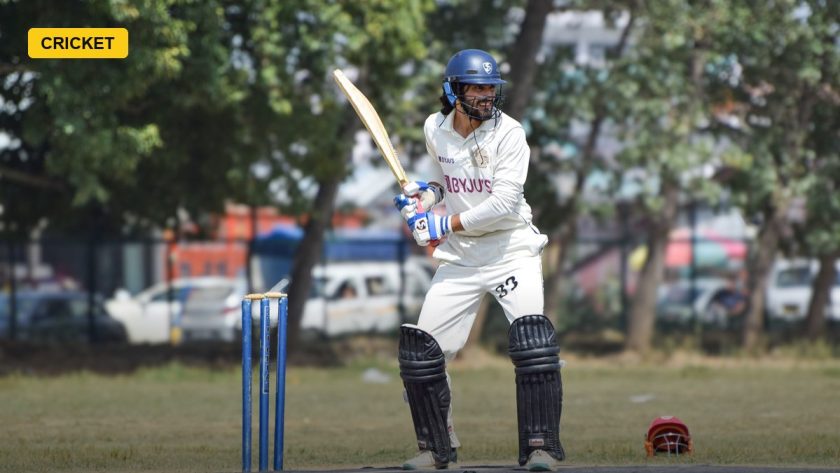
The 2026-27 Duleep Trophy, the traditional curtain-raiser to India’s domestic cricket season, produced contrasting quarterfinal results as North Zone beat West Zone by 52 runs and East Zone thrashed North East Zone by an innings and 210 runs, sending both teams through to the semifinal stage. The tournament, run between August 23 and September 10, reverted to a six-team, single-elimination format for this 63rd edition.
Format And Byes
Defending champions Central Zone and 2025-26 runners-up South Zone received direct byes to the semifinals under the competition’s structure, a reward for their performances in the previous edition, while the remaining four zones, North, West, East and North East, contested the quarterfinals to determine who would join them at the final four stage. This format places a premium on the strongest zonal sides earning their route through the bracket rather than relying purely on reputation from prior seasons.
North Zone’s Narrow Win
North Zone’s 52-run victory over West Zone was a tightly contested affair that went down to the wire, reflecting the competitive depth typically found in India’s first-class structure even at zonal level, where squads are drawn from a wide talent pool across multiple state associations. The result sends North Zone into a semifinal against one of the bye-receiving sides, a step up in quality that will test whether their quarterfinal form can be sustained against sides that arrive fresher into the knockout stage.
East Zone’s Dominant Statement
East Zone’s innings-and-210-run demolition of North East Zone stands out as one of the most emphatic results of this year’s tournament, a scoreline that speaks to a significant gulf in resources and depth between the two zones. Such lopsided results have periodically raised questions about the competitive balance of a format that groups India’s stronger cricketing states against a comparatively newer, less resourced North East Zone, though the format retains value as a pathway for players from that region to gain first-class experience against a wider range of opposition.
Why The Duleep Trophy Matters
As the traditional opener to India’s domestic season, the Duleep Trophy carries significance beyond the immediate results, often serving as an early form guide for national selectors monitoring players on the fringes of India’s Test and first-class set-up. Performances in matches like these quarterfinals can influence conversations around India’s broader domestic calendar, which continues with the two-phase Ranji Trophy starting October 11 and the Irani Cup, pitting Ranji champions Jammu and Kashmir against Rest of India, beginning October 1.
Contrasting Perspectives
Supporters of the current zonal structure argue that it provides a manageable, high-quality pathway into India’s crowded domestic season, giving selectors early season data points on form without the full weight of the Ranji Trophy’s later, more expansive format. Critics, however, point to results like East Zone’s innings victory as evidence that the zonal groupings can produce mismatches that do little to sharpen genuine competitive intensity, suggesting the tournament’s value lies more in its traditional prestige than in consistently even contests across all fixtures.
What’s Next
With the semifinal line-up now set, North Zone and East Zone face Central Zone and South Zone respectively for a place in the final, results that will be watched closely by national selectors as India’s domestic season builds toward the Ranji Trophy and Irani Cup later in the year. The winner of this year’s Duleep Trophy will carry the prestige of an early-season title into a long and demanding first-class calendar ahead.
Player Watchlist From The Quarterfinals
Beyond the team results, both quarterfinals threw up individual performances that selectors and franchise scouts will have noted closely, with several uncapped batters and bowlers using the matches to press their claims ahead of the busier Ranji Trophy schedule to come. The zonal format, despite its occasional lopsided results, remains valued precisely because it forces players from smaller state associations into direct competition with more established cricketing regions, offering a level of exposure that domestic tournaments organised purely along state lines cannot replicate.
Coaches involved in both winning campaigns were keen to stress that the results, while pleasing, represent only the first checkpoint in a long season, with squads needing to sustain form and fitness across a demanding calendar that stretches from the Duleep Trophy through the Irani Cup and into the two phases of the Ranji Trophy. Player workload management, particularly for bowlers who featured heavily in the quarterfinals, will be a key consideration for team management as the semifinal fixtures approach.
Photo: Ifham Khan / PEXELS via Pexels