
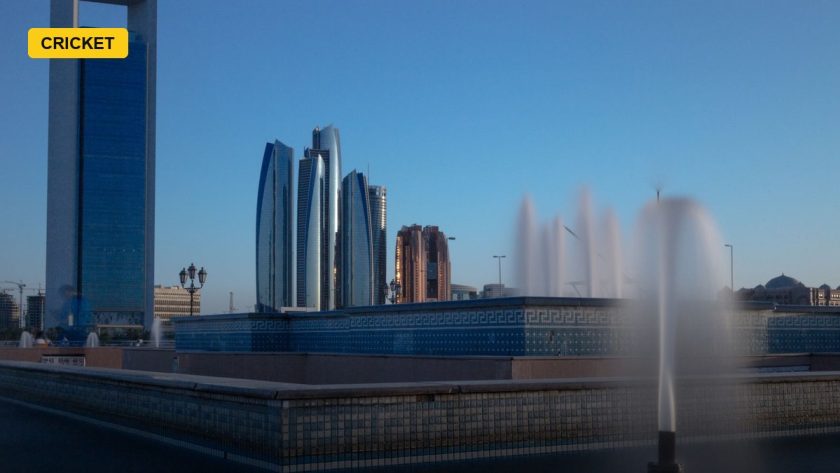
The countdown to the next IPL auction has a fixed date and a fixed city. The BCCI has confirmed the TATA IPL 2026 Player Auction will take place on December 16 at the Etihad Arena in Abu Dhabi, marking the third straight year the league has taken its bidding table outside India after Dubai in 2024 and Jeddah in 2025. Franchises had until 3pm IST on November 15 to lock in their retention and release lists, and the trading window that follows has already reshaped several dressing rooms before a single gavel falls in the UAE.
A combined purse of over 237 crore
Ten franchises will chase 77 available slots with a combined purse of ₹237.55 crore, according to figures reported around the retention deadline. Of those slots, 31 are reserved for overseas players, out of a pool that includes 240 Indian and 110 international cricketers entering the auction. Kolkata Knight Riders head into the sale with the fattest kitty on the circuit, ₹64.3 crore for a maximum of 13 slots including six overseas spots, while Chennai Super Kings sit second with ₹43.4 crore to fill nine places. Those purse sizes are a direct product of how aggressively, or conservatively, each side retained players in the weeks before the November 15 cut-off.
173 retained, led by Punjab Kings
Across the ten teams, 173 players were retained ahead of the auction, including 49 overseas cricketers, out of a maximum squad allowance of 25 per franchise. Punjab Kings retained the most of any side at 21 players, while Mumbai Indians and Gujarat Titans each held onto 20. That level of retention signals a league increasingly wary of wholesale rebuilds, even in a year originally billed as a mega auction cycle, with franchises preferring continuity in their core over the disruption of releasing established performers back into the pool.
Trades already reshaping rosters before the gavel
The trading window, which stays open until a week before the auction and then reopens roughly a month before the season starts, has already produced one of the sport’s bigger swaps: Chennai Super Kings have brought in wicketkeeper-batter Sanju Samson from Rajasthan Royals in exchange for Ravindra Jadeja and Sam Curran, a deal that upends CSK’s middle order and hands Rajasthan two seasoned all-round options in return. Mumbai Indians have been active on the margins too, picking up Shardul Thakur from Lucknow Super Giants for ₹2 crore and Sherfane Rutherford from Gujarat Titans for ₹2.60 crore, while sending Arjun Tendulkar to Lucknow at a base price of ₹30 lakh. Once a player is bought at the December auction itself, franchises lose the ability to trade him again until the next window opens, which is why teams are working the phones now rather than waiting for auction day.
Why a fourth overseas auction city matters
Holding the auction in Abu Dhabi for the first time continues a trend of the IPL moving its glitziest off-field event beyond Indian borders, a choice the league has leaned into as it courts Gulf audiences and sponsors alongside its broadcast partners. Critics of the shift argue it distances the auction spectacle, traditionally watched live across Indian television, from the fans who drive its television ratings; supporters counter that the neutral, climate-controlled venue simplifies logistics for the dozens of franchise executives, agents and players who fly in for the day. Either way, the Etihad Arena becomes the latest neutral stage for a ritual that increasingly resembles a Wall Street trading floor as much as a sporting event.
What’s next for the league
With IPL 2026 pencilled in for a March 15 to May 31 window, franchises have roughly three months after the December 16 auction to integrate new signings, finalise overseas player logistics and lock down bowling and batting combinations. Expect further trade activity in the days immediately preceding the auction as teams try to avoid overpaying for needs they can address more cheaply through a swap, and expect the retained-heavy rosters at Punjab Kings, Mumbai Indians and Gujarat Titans to be tested early once the season starts, since squads built on continuity rather than a fresh auction haul carry both the benefit of chemistry and the risk of stagnation.
Photo: Ghassan Abazid / PEXELS via Pexels