
Cricket Australia has torn up one of the Big Bash League’s founding structural rules. Clubs will no longer be forced to sign a minimum number of overseas players for BBL|16, with the league’s draft system scrapped entirely in favour of an open market where marquee Australians and international stars now negotiate directly with franchises. The shift lands just as Adelaide Strikers confirmed the signing of New Zealand batter Mark Chapman for the full 2026-27 season, an early sign of how clubs intend to use their new freedom.
From mandatory quotas to an open market
Under the old system, BBL clubs were required to sign two to three overseas players each season, with at least one contracted at the gold tier, worth roughly $300,000, or the platinum tier, around $420,000. That requirement is gone. Clubs can now sign a maximum of three overseas players to their primary list, but there is no floor, meaning a franchise could theoretically field a squad with no international recruits at all if it decides Australian talent offers better value. The change is being framed by Cricket Australia as a rebalancing exercise: fewer imported players at the bottom end of rosters, and more money directed toward retaining the country’s own white-ball talent.
Marquee pool shrinks, but pay rises for the remaining stars
The overhaul also touches the top of the pay scale. The marquee player category, previously capped at six players per squad, drops to four from next season, with the current campaign already down to five after one marquee slot was cut. The combined marquee salary pool falls from $1.7 million for six players to $1.4 million for four, which on a per-player basis represents a meaningful pay rise for whoever makes the smaller marquee list. Names like Mitch Marsh, Glenn Maxwell, Marcus Stoinis and Steve Smith have been cited as the calibre of player the league wants to retain at competitive wages, rather than losing ground to franchise leagues elsewhere that can outbid the BBL for the same talent pool.
Sam Billings and the shrinking overseas footprint
The practical effect is already visible on team sheets. Sydney Thunder’s Sam Billings is understood to be the only overseas player still under contract for the coming season heading into this rule change, with international recruits elsewhere in the league now negotiating fresh, unconstrained deals rather than sliding into pre-set quota slots. Previous seasons carried a recognisable cast of overseas regulars, including Babar Azam at Sydney Sixers, Shaheen Shah Afridi at Brisbane Heat, and veterans like Tom Curran and Colin Munro rotating through rosters; how many of that calibre return under a system with no mandated minimum is one of the league’s open questions this off-season.
Adelaide’s answer: depth over declarations
Adelaide Strikers have moved quickly to show what the new rules can produce, confirming New Zealand international Mark Chapman for the entire 2026-27 campaign. Chapman joins a Strikers squad that already features former England Test captain Ben Stokes, giving Adelaide a third high-profile batting name with proven experience across multiple franchise circuits. Rather than filling an overseas quota reactively, the Strikers appear to be assembling a top order built around recognisable international performers who can anchor a title push, a strategy only fully available to clubs now that the sign-up process runs through open negotiation instead of a structured draft.
The case for and against deregulation
Supporters of the change argue it finally lets the BBL compete on wages with rival T20 leagues that have been steadily pulling top Australian and overseas talent away from the domestic competition, and that removing quotas lets clubs build rosters suited to their actual playing needs rather than administrative box-ticking. Sceptics worry the opposite: without a mandated minimum, some franchises may choose to cut overseas recruitment altogether to fund bigger marquee deals for Australians, thinning the international quality that has long been part of the BBL’s appeal to broadcasters and fans. Both dynamics will play out simultaneously this season, since nothing stops a club from signing zero overseas players while another, like the Strikers, leans in.
What happens next
With the contracting window newly opened and several major names still unattached, expect a wave of fresh deals over the coming weeks as clubs test the market rather than wait on a draft calendar. The real test of the deregulated system will come once squads are finalised: whether the BBL ends up with fewer, higher-quality overseas imports concentrated at contenders, or a more uneven spread where some franchises opt out of international recruitment entirely to protect their marquee spend.
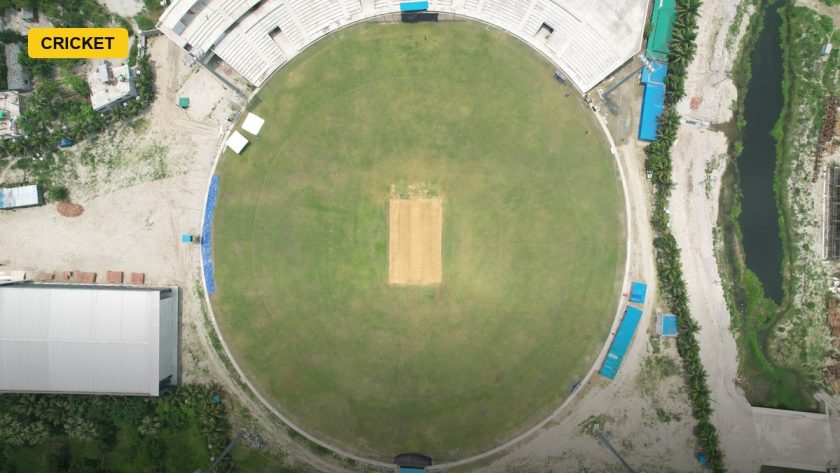
Photo: Tanvir Khondokar / PEXELS via Pexels