
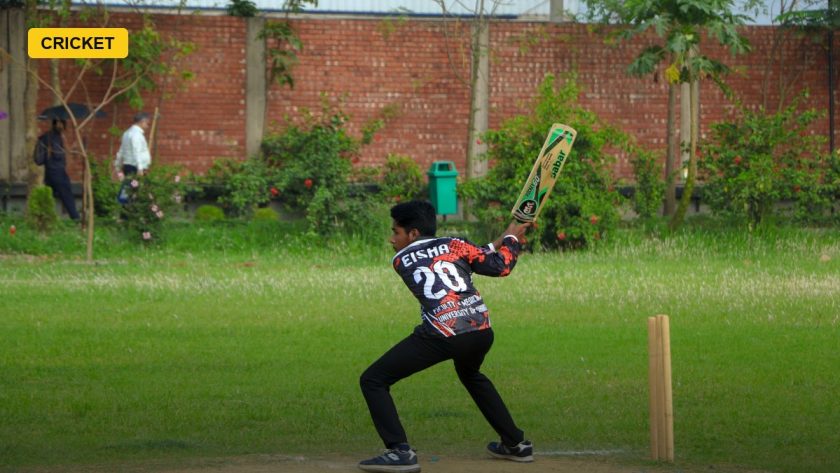
Pakistan’s Test captain Salman Ali Agha was among seven players sent home mid-tour after the side slumped to an innings-and-103-run defeat at Headingley and a 194-run loss at Lord’s in their series against England. Rather than fading from view, Agha responded within days by walking out for Kingsmen Academy against Markhor IT Solutions in the President’s Trophy at Abbottabad and compiling an unbeaten 300 off 336 balls, comfortably surpassing his previous first-class best of 169.
A brutal admission after Headingley
Agha did not hide behind excuses after the opening Test defeat. "England outplayed us in every department," he said, adding that Pakistan’s away form had become a systemic problem rather than a one-off. "We’re not playing well away. We haven’t done well anywhere in the world. This is concerning," he told reporters, a rare moment of public candour from a sitting Pakistan Test captain about the depth of the side’s struggles overseas.
The mid-series shake-up
The Pakistan Cricket Board’s response was to overhaul the touring party ahead of the final Test at Edgbaston, releasing seven players from the squad including Agha himself, alongside senior figures such as Mohammad Rizwan and Imam-ul-Haq, and drafting in largely uncapped replacements. Head coach Sarfaraz Ahmed and bowling coach Umar Gul were also removed from their posts, with Mike Hesson, previously the side’s ODI coach, installed to lead the Test team for the Edgbaston match.
Two ways of reading the axing
Inside the camp, the decision was framed as a necessary reset given the scale of the batting and bowling failures on tour, with PCB officials pointing to conditions and personnel gaps as compounding factors. Outside the camp, reaction across the cricket press was notably harsher, with pundits describing Pakistan cricket as being "in shambles" and pointing to the unusual step of sacking a serving captain mid-series as evidence of institutional panic rather than considered planning. That contrast between the board’s stated rationale and the public reading of panic has become the central storyline of Pakistan’s tour.
A statement with the bat
Agha’s response was to go back to domestic cricket and play the innings of his career. His unbeaten 300 in the President’s Trophy was not just his highest first-class score by some distance, it was also a pointed reply to those questioning his place in the set-up, delivered in the full glare of a squad crisis rather than a quiet net session. Teammates and former players noted the timing as much as the numbers, with the knock landing just as the axed captain’s international future was being publicly debated.
Governance questions that won’t go away
The upheaval has reignited broader concerns about Pakistan cricket’s administration, with PCB chairman Mohsin Naqvi simultaneously holding his board post alongside his role as Pakistan’s Interior Minister and president of the Asian Cricket Council. Critics argue that concentration of political and cricketing authority in one individual has contributed to the kind of abrupt, reactive personnel decisions seen on this tour, a critique that predates this series but has been sharpened by it.
What comes next for Agha and Pakistan
Whether Agha’s domestic triple-century earns him an immediate route back into the Test set-up remains to be seen, but selectors will be under pressure to explain any prolonged omission given the scale of the innings. For Pakistan more broadly, the team now heads into a period of squad rebuilding under new coaching leadership, with the PCB needing to show that Mike Hesson’s appointment and the influx of uncapped players can arrest a run of results that has left the side bottom of the World Test Championship standings. The next away assignment will be the first real test of whether this reset produces results or simply another cycle of turnover.
Domestic cricket administrators in Pakistan have also pointed to Agha’s response as evidence that the country’s first-class structure retains the depth to support a national comeback, even amid the disruption at the top level. Former players speaking about the episode have been split on how selectors should weigh a domestic triple-century against a poor international tour, with some arguing form is form regardless of the level, and others cautioning that first-class conditions in Pakistan are rarely comparable to the swinging, seaming pitches that undid Agha and his teammates in England. The episode has also renewed calls from some quarters for a clearer, published set of selection criteria that would reduce the appearance of ad hoc decision-making around both captaincy changes and squad recalls, a longstanding grievance among Pakistani cricket commentators that this saga has only reinforced.
Photo: Nafi’s Eye / PEXELS via Pexels