
The IPL 2026 trade window produced one of the boldest moves in the league’s history when Mohammed Shami was traded from Sunrisers Hyderabad to Lucknow Super Giants for a reported INR 10 crore, finalized on November 14, 2025, ahead of the auction. The deal reshapes Lucknow’s pace attack around captain Rishabh Pant and forms part of a wider round of trades that has redrawn several franchises’ squads before players even reached the auction table in Abu Dhabi.
Shami Joins Pant’s New-Look Lucknow Attack
Shami’s move to Lucknow Super Giants pairs one of India’s most experienced new-ball bowlers with a franchise looking to build a stronger seam-bowling core under Pant’s captaincy. Lucknow’s management described the trade as one of the boldest moves of the window, banking on Shami’s experience and control with the new ball to anchor a bowling unit that has previously struggled for consistency in the tournament’s middle overs.
A Trade Window Full Of Movement
Shami was far from the only significant name to change hands. Shardul Thakur was traded from Lucknow Super Giants to Mumbai Indians on November 13, 2025, for INR 2 crore, while Sherfane Rutherford moved to Mumbai Indians from Gujarat Titans for INR 2.6 crore. Nitish Rana also switched franchises, moving to Delhi Capitals for INR 4.2 crore, giving several teams fresh options across both bowling and middle-order batting heading into the new season.
The Auction That Followed
The trades set the stage for the IPL 2026 auction itself, held on December 16 in Abu Dhabi, where 359 shortlisted players went under the hammer. Cameron Green emerged as the league’s most expensive overseas signing at INR 25.20 crore, while franchises collectively spent INR 128.05 crore on 29 overseas players and INR 87.40 crore on 48 Indian players, underlining how much of each squad’s final shape was determined by trades completed before the auction even began.
Two Schools Of Thought On Trade-Heavy Rebuilding
Franchise executives have defended the growing use of pre-auction trades as a more efficient way to build balanced squads, arguing that identifying specific needs, such as Lucknow’s search for a strengthened pace attack, and addressing them directly through trades reduces the risk of missing out on key targets in a competitive auction room. Some former players and commentators, however, have raised concerns that heavy reliance on trades before the auction can concentrate too much roster-building power in a small number of high-value deals, potentially disadvantaging franchises with less aggressive front offices or smaller trade budgets.
What It Means For Lucknow And Sunrisers
For Lucknow Super Giants, adding Shami alongside Pant signals clear intent to contend after previous seasons that fell short of expectations, giving the side a proven wicket-taker to lead the bowling attack in tandem with their batting depth. For Sunrisers Hyderabad, losing Shami leaves a gap in experienced pace bowling that the franchise will need to address either through the auction itself or subsequent squad management during the season.
What’s Next As The Season Approaches
With trades and the auction now completed, attention turns to how these reshuffled squads perform once IPL 2026 gets underway, particularly whether Lucknow’s revamped attack led by Shami can deliver the consistency that has eluded the franchise in previous campaigns, and whether Mumbai’s acquisitions of Thakur and Rutherford translate into a deeper, more balanced bowling and batting unit. Pre-season form and net sessions will offer the first hints, but the real test comes when the tournament’s group stage begins and franchises discover whether their off-season rebuilding strategy has paid off.
A Trend Toward Earlier, Targeted Roster Moves
The scale of this year’s trade window, finalized weeks before the auction itself, reflects a broader shift in how IPL franchises now approach squad building. Rather than waiting for the auction to fill specific gaps, several teams used the trade period to lock in targeted acquisitions, reducing their reliance on unpredictable bidding wars for players they had already identified as priorities. Lucknow’s pursuit of Shami exemplifies this approach: rather than gambling on an experienced pacer being available and affordable at the auction table, the franchise secured him well in advance and could plan the rest of its bowling strategy around his inclusion.
That shift has also changed the dynamic of the auction itself, with fewer marquee names available on the day and franchises instead competing more fiercely for a narrower pool of uncapped and mid-tier players, a trend reflected in the intensity of bidding that pushed Cameron Green’s price to a league record. Whether this trade-first model becomes the standard approach for future IPL seasons, or whether some franchises revert to auction-heavy strategies, is likely to be one of the more closely watched administrative storylines of the league heading into 2027.
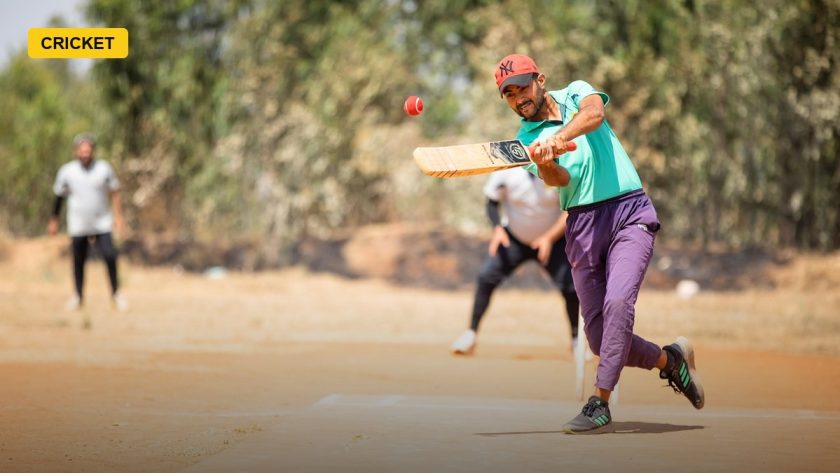
Photo: Anilsharma26 / PIXABAY via Pixabay