
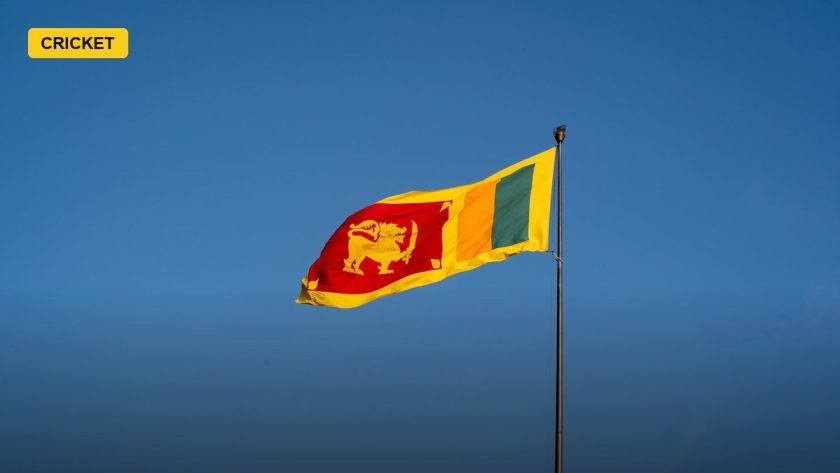
Sri Lanka Cricket’s government-appointed Transformation Committee published a progress statement on September 21 confirming it has completed a new draft constitution and submitted it to the government, which is now moving toward presenting the document to Parliament. The overhaul, which also reshapes the country’s domestic first-class structure, marks the most significant restructuring of Sri Lankan cricket administration in years, months after the board was effectively taken over at the government’s request.
How The Committee Came To Be
The Transformation Committee was appointed on April 29, 2026 by Sri Lanka’s Ministry of Sports and Youth Affairs, following the sport’s governing body stepping aside at the government’s request. Its mandate covers three core areas: establishing good governance, enhancing on-field excellence, and streamlining Sri Lanka Cricket’s day-to-day operations, all pending the formation of a new elected administration. The committee moved quickly, completing the constitutional draft within roughly two months of its formation.
What The New Constitution Changes
The proposed constitution would reduce the number of clubs holding voting rights in Sri Lanka Cricket elections to 39 and introduce a revised system for allocating votes to member associations, a direct response to long-standing criticism that the previous structure concentrated influence among a small number of politically connected clubs. Alongside the governance changes, the committee has restructured the domestic game itself, cutting the number of Tier A clubs from 14 to 10 over the next two years while leaving the 12 Tier B clubs unchanged.
First-Class Cricket Gets Longer
In one of the more consequential on-field changes, the committee has extended Sri Lanka’s premier first-class tournament from three days to four days per match, a shift aimed at better preparing domestic players for the demands of Test cricket, where longer, more attritional passages of play are the norm. Officials involved in the reforms have framed the change as essential to closing the gap between Sri Lanka’s domestic structure and the format its national team is ultimately judged on.
Support And Skepticism In Equal Measure
Reform advocates within Sri Lankan cricket, including figures involved in the committee’s work, have welcomed the changes as long overdue steps toward professionalizing an administration that has cycled through instability for years, arguing that a smaller, better-resourced pool of Tier A clubs combined with longer first-class matches should raise the overall standard of players entering the international set-up. Critics, including some club administrators facing relegation out of Tier A status, have questioned whether cutting the number of top-tier clubs will concentrate resources too narrowly and whether a government-appointed committee, rather than an elected board, should be making such far-reaching structural changes in the first place.
The Path Through Parliament
With the draft constitution now in the government’s hands, the next major step is formal presentation to Parliament, a process that will determine whether the committee’s governance reforms, including the reduced voting-club count and revised representation system, become permanent. Until an elected administration is in place, the Transformation Committee continues to run day-to-day operations, meaning the makeup of the eventual board itself hinges on how quickly the new constitution clears its remaining legislative hurdles.
What It Means For Sri Lankan Cricket
If approved, the changes would represent one of the most significant governance shifts in Sri Lanka Cricket’s history, potentially ending years of administrative turnover while also reshaping the domestic pathway that feeds the national team. With Sri Lanka’s men’s and women’s sides continuing international commitments through the rest of 2026, including tours and Asian Games involvement, how quickly the new structures bed in, and whether Parliament approves the constitution largely intact, will shape the board’s stability and player pipeline heading into the next World Test Championship cycle.
A Board With A History Of Turmoil
Sri Lanka Cricket’s administration has faced repeated upheaval over the past decade, including previous government interventions, legal disputes over elections, and periods where international bodies raised concerns about political interference in the board’s affairs. That history is part of why the current committee’s work is being watched so closely both domestically and internationally, since previous attempts at reform have often stalled once an elected board returned to power and reverted to earlier practices. The committee’s own mandate acknowledges this risk, framing the new constitution partly as an attempt to build safeguards that would survive a change in administration rather than depending on the goodwill of whichever officials are next elected.
Sri Lanka’s cricketing performances on the field, including the men’s team’s results across formats and the women’s team’s preparations for continued international commitments, have often been discussed in the same breath as the board’s administrative struggles, with former players arguing that on-field inconsistency and off-field instability have long been linked. Whether this constitutional overhaul can finally break that cycle is the underlying question hanging over the entire reform process as it now moves toward Parliament.
Photo: Thilina Alagiyawanna / PEXELS via Pexels