
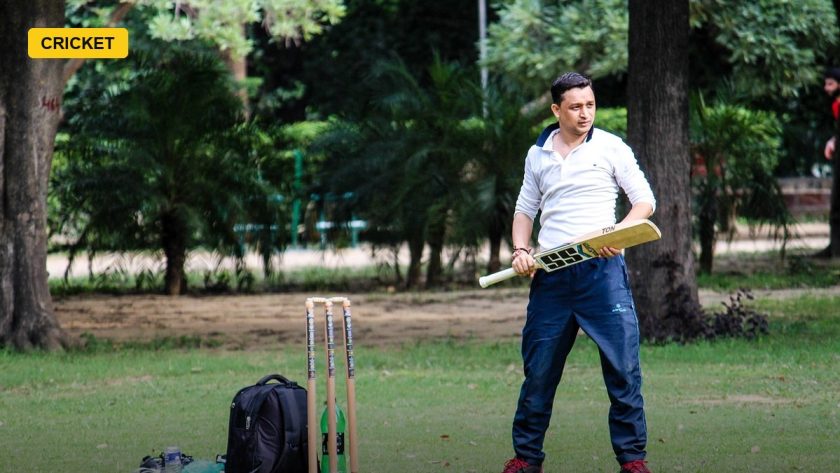
The BCCI has handed Bengal leg-spinner Rohit Yadav a two-year ban after uncovering an age discrepancy of 27 months in his official documentation, removing him from India’s Under-19 squad just weeks after he had helped the side win a series in Sri Lanka. The ban, confirmed on September 4, 2026, forms part of a wider Cricket Association of Bengal crackdown that has declared 62 other young cricketers ineligible for registration or transfer over similar irregularities.
Three Birth Certificates, Three Different Years
The scale of the discrepancy in Rohit’s case is what has drawn most attention. Investigators found he possessed three separate birth certificates listing three different years of birth: 2007, 2009 and 2010. His Aadhaar records added a further layer of confusion, showing 2006 in updates made in 2017 and 2020, before the year was changed again to 2009 in 2021. Any one of those inconsistencies might have been treated as a clerical error; taken together, the CAB and BCCI concluded the pattern amounted to deliberate misrepresentation of his age to remain eligible for junior cricket for longer than the rules allow.
Caught Out On Tour In Sri Lanka
The discrepancy came to light while Rohit was on tour with India’s Under-19 team in Sri Lanka in July, where his documents were scrutinised as part of standard eligibility checks. He had performed well on that trip, taking six wickets in the series and playing a role in India winning the final Test of the tour. That form had earned him a place in the squad named for the upcoming home Under-19 series against Australia, a series set to begin September 18, 2026. Instead of taking the field against Australia’s junior side, Rohit was withdrawn from the squad once the BCCI confirmed the ban, with all state associations affiliated to the board notified of the decision immediately.
Part Of A Much Larger CAB Investigation
Rohit’s case is the highest-profile individual entry in a much broader disciplinary sweep. The Cricket Association of Bengal has declared a total of 62 players ineligible for registration or transfer for any tournament during the 2026-27 and 2027-28 seasons, after a pre-season documentation drive turned up widespread irregularities in birth records across the state’s age-group system. The list of banned players also includes Ravi Kumar, a former India Under-19 World Cup winner, and Vishal Bhatti, a left-arm spinning all-rounder who has made three first-class and two List A appearances, underlining that the crackdown has reached players well beyond junior cricket’s fringes and into names with genuine representative pedigree.
Differing Reactions To The Scale Of The Purge
Reaction within Bengal cricket circles has been split. Association officials have defended the scale of the crackdown as overdue housekeeping, arguing that age fraud has quietly undermined the credibility of age-group cricket for years and that only a sweeping, documented purge could restore confidence in domestic junior selection. Others closer to the affected players have raised concerns about due process, questioning whether every one of the 62 flagged cricketers was necessarily complicit in deliberate fraud rather than being let down by inconsistent record-keeping earlier in their lives, particularly players like Rohit who originally hail from outside Bengal and may have had documentation issues predating their move into the state’s cricket structure. Rohit himself is originally from Uttar Pradesh, a detail that has fed into broader questions about how state associations verify the paperwork of players who relocate for cricketing opportunities.
A Recurring Problem For Indian Age-Group Cricket
Age fraud has been a persistent headache for Indian domestic cricket, with the BCCI periodically running bone-density and document-verification drives to weed out over-age players from junior tournaments. The Rohit Yadav case, however, stands out for the sheer number of conflicting official records involved, and it arrives at a moment when the BCCI has been trying to tighten oversight of state associations’ registration processes more broadly. Selectors and coaches at the Under-19 level have previously flagged how difficult it can be to police age-group eligibility when players move between states and documentation standards vary widely across India’s cricketing boards.
What’s Next
With Rohit now out of contention for the Australia series and banned through the 2027-28 season, Bengal’s Under-19 selectors must fill the void left by a bowler who had just delivered a series-winning spell on tour. More broadly, the CAB’s 62-name list is likely to trigger appeals from some of the players involved, and cricket administrators in other states will be watching closely to see whether similar documentation audits are rolled out nationally. For now, the case stands as a stark reminder that the pathway from age-group cricket to India colours remains vulnerable to exactly the kind of paperwork manipulation that cost Rohit Yadav his Under-19 career.
Photo: amarpreet25 / PIXABAY via Pixabay