
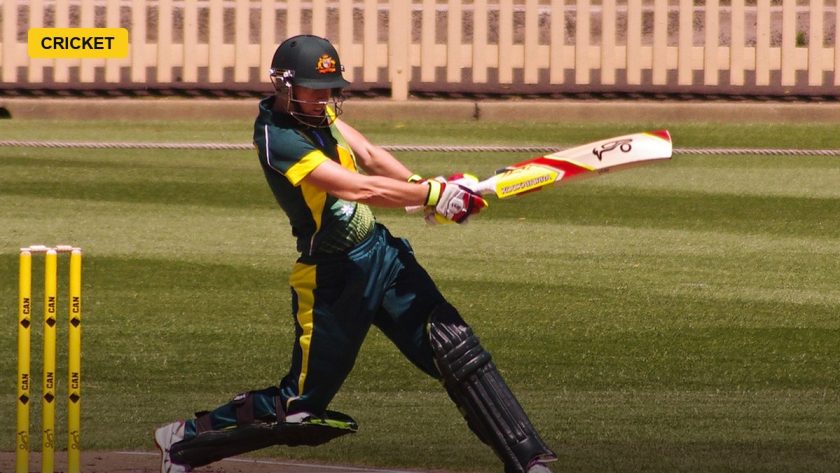
The cricket on the field is only half the story at the 2026 Women’s T20 World Cup. Off it, the tournament marks a milestone in the explosive growth of the women’s game — record prize money, bigger crowds, and surging investment that have transformed the sport in just a few years. The Women’s World Cup has arrived as a genuine commercial and cultural force.
Money on the rise
The financial leap is striking. Prize pools and player pay in women’s cricket have climbed dramatically, with the sport’s governing bodies committing to far greater rewards than the women’s game saw a decade ago — including major strides toward pay parity with the men in some boards. The increased money validates the players’ professionalism and signals that women’s cricket is being treated as a serious investment, not an afterthought.
Crowds and eyeballs
Audiences have followed. Women’s matches now draw record crowds and television audiences, with marquee fixtures filling major stadiums and commanding prime broadcast slots. The appetite is real and growing, and broadcasters and sponsors have taken notice — turning what was once a niche product into compelling, bankable live sport. The atmosphere at this World Cup reflects that surge in interest.
The franchise-league effect
Professional leagues have supercharged development. The rise of women’s franchise competitions around the world has created lucrative opportunities, accelerated player development and raised standards across the board. Young players now have clear professional pathways, and the influx of money and exposure has deepened the talent pool — making the cricket at this World Cup the most competitive yet.
Why it matters
This is a watershed for the sport. Greater money, visibility and investment create a virtuous cycle: better pay attracts and retains talent, higher standards draw bigger audiences, and bigger audiences bring more money. The Women’s World Cup is both a showcase and an accelerant of that cycle, inspiring the next generation of girls to take up the game and see a future in it.
The work still to do
Challenges remain. Pay and investment still lag the men’s game in most countries, coverage and infrastructure are uneven across nations, and sustaining momentum beyond marquee events is an ongoing battle. The growth is real but unfinished, and the sport’s leaders know that converting a successful World Cup into lasting structural change is the harder, longer task.
The bottom line
The 2026 Women’s T20 World Cup is a landmark not just for the cricket but for the women’s game’s remarkable rise — record money, bigger crowds and deeper investment all on display. The tournament showcases how far the sport has come and fuels its continued growth, even as work remains to achieve true parity. On and off the field, the women’s game has never been bigger.