
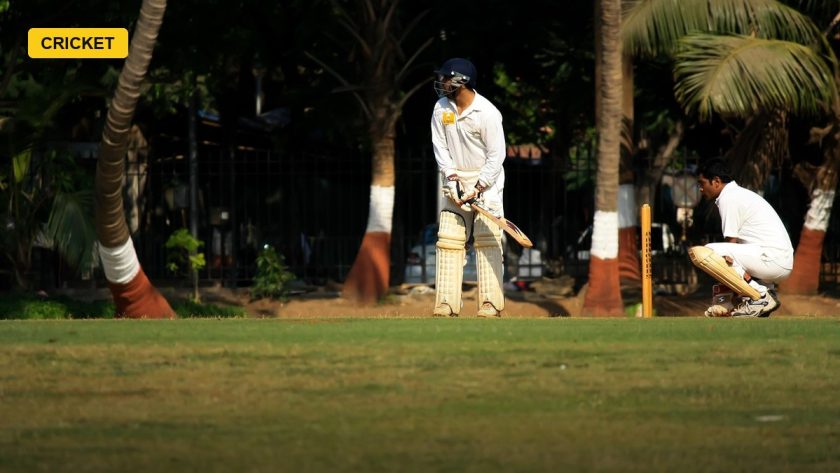
India’s cricket board is sending its biggest Test names back to domestic cricket before they face New Zealand this November, a move aimed squarely at avoiding a repeat of the 0-3 home whitewash the same opponent inflicted on India in 2024. The BCCI is set to make red-ball match practice compulsory for senior players selected for the New Zealand series, requiring them to turn out for their state sides when the Ranji Trophy begins on October 11, according to reporting on the board’s plans.
Who Has To Play
Test captain Shubman Gill is expected to represent Punjab, while vice-captain KL Rahul is likely to turn out for Karnataka, with both players expected to feature in at least one group-stage match as part of their preparation. The fast-bowling pool being monitored closely includes Mohammed Siraj, Akash Deep and Nitish Kumar Reddy, alongside a cluster of pace options in Gurnoor Brar, Prasidh Krishna and Auqib Nabi who are also under the selectors’ watch heading into the tour. Jasprit Bumrah’s situation is being handled separately given his well-documented workload management, with the team’s medical and conditioning staff weighing whether he turns out for Gujarat in the Ranji Trophy or instead gets his red-ball overs in an India A fixture, a decision that remains unresolved as preparations continue.
The Scar Tissue From 2024
The mandate is a direct response to India’s 2024 home Test series defeat to New Zealand, a 0-3 result that remains one of the most jarring upsets of the last Test cycle given India’s long-standing dominance on home soil. That series exposed how little recent red-ball cricket several senior players had played outside the international bubble, a problem the team management is now trying to engineer away from by forcing exposure to domestic conditions, local bowlers and the grind of first-class cricket rather than relying solely on net sessions and white-ball form to carry players into a high-stakes series.
A Layered Build-Up: Ranji, Then India A
The plan does not stop at the Ranji Trophy. India A fixtures are scheduled to begin on October 24, comprising three matches that will serve as a second tier of preparation, giving players who miss out on Ranji action, or who need more concentrated bowling and batting time in a tightly managed squad environment, a further opportunity to sharpen their red-ball game before the squad assembles for New Zealand. Together, the Ranji and India A windows amount to roughly a month of graduated domestic cricket sandwiched between the end of India’s white-ball commitments and the start of the Test tour, a far more structured preparation block than the team had before the 2024 series.
Workload Management Still Has The Final Word
An official tracking the board’s plans was clear that the mandate is not unconditional. “The match and the number of matches they play will depend on the medical team’s clearance, keeping the workload and assignments in mind,” the official said, adding that participation in red-ball cricket “will not be compromised” despite those caveats. That framing matters because it signals the BCCI sees this less as a blanket rule and more as a default expectation that can be adjusted for individual players, especially frontline bowlers like Bumrah whose international workload is already being carefully rationed across formats.
Support For The Idea, And Scepticism About Enforcement
Current and former domestic cricketers have broadly welcomed the push, arguing that too many of India’s centrally contracted stars have drifted away from Ranji cricket in recent years, weakening both their own red-ball sharpness and the overall standard of India’s premier first-class competition, which depends on star power to draw crowds and media attention. Sceptics within the commentariat have questioned how consistently the mandate will actually be enforced once IPL-adjacent commercial pressures and injury-management conversations resurface, noting that previous BCCI attempts to push contracted players back into domestic cricket have sometimes been diluted once individual medical staff or player management raised workload concerns. The timing of a possible transition within the senior men’s selection committee adds a further layer of uncertainty about how firmly the policy will be applied once matches actually get underway.
What’s Next
The real test of the mandate comes once the Ranji Trophy’s group stage is underway from October 11 and selectors see whether Gill, Rahul and the fast bowlers under consideration actually turn out, perform, and emerge unscathed physically. India’s two-Test series against New Zealand later this year carries real weight in the World Test Championship standings, where India currently sit well outside the automatic qualification picture for the 2027 final at The Oval, making the quality of this preparation block more consequential than a routine domestic cricket story might otherwise suggest. How Bumrah’s workload is ultimately managed, Ranji Trophy for Gujarat or a lower-profile India A outing, will be an early signal of how the board intends to balance its new red-ball discipline against its most important bowling asset’s long-term fitness.
Photo: PDPics / PIXABAY via Pixabay