
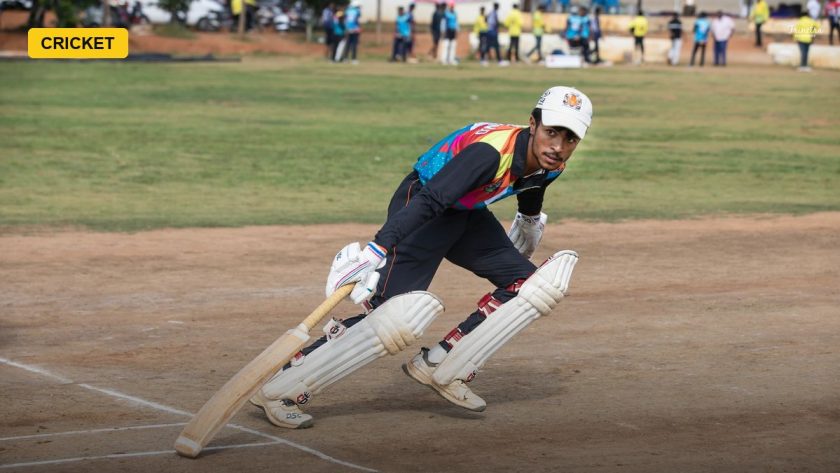
East Zone won the Duleep Trophy for the first time since 2011-12 after a dominant final-day display against South Zone at the MA Chidambaram Stadium in Chennai, with the match ending in a draw but East Zone declared champions on first-innings lead. Captain Ishan Kishan anchored the campaign with a monumental 270 in the first innings, propelling East Zone to a mammoth 708, a total that put the final out of South Zone’s reach almost from the first morning and set up a 372-run first-innings lead that proved decisive when the match, played from September 6-10, 2026, could not be forced to an outright result.
How East Zone Built An Unassailable Position
East Zone’s 708 all out was built around Kishan’s marathon innings, supported by contributions through the middle and lower order that allowed the total to balloon well past South Zone’s eventual reply of 336. With South Zone unable to close the gap and forced to bat out time to avoid an innings defeat, East Zone’s bowlers were left to manage the clock rather than chase a declaration-forced result, a comfortable position that reflected how thoroughly the batting effort on the opening days had taken the game away from their opponents.
A Third Title, And The End Of A Long Drought
The win gives East Zone their third Duleep Trophy title overall but, more significantly, their first since the 2011-12 season, closing out a 13-year gap during which the zone had repeatedly fallen short in the knockout stages of India’s marquee interzonal first-class competition. For a tournament format that has periodically faced questions about its relevance alongside the Ranji Trophy and India A fixtures, East Zone’s breakthrough gives the competition a fresh storyline and restores some competitive balance after years in which other zones dominated the trophy.
Why The Duleep Trophy Still Matters
The Duleep Trophy has long served as a proving ground for India’s zonal depth, bringing together India’s best domestic performers outside the bilateral Ranji Trophy structure and often doubling as a selection shop window ahead of national call-ups. Kishan’s innings arrives at a pointed moment in his own career: the wicketkeeper-batter has cycled in and out of India’s white-ball and red-ball plans in recent seasons, and a innings of this magnitude in a first-class final, led from the front as captain, is the kind of statement effort selectors are known to notice when assembling squads for upcoming Test assignments.
Two Views On What The Result Signals
Supporters of India’s zonal first-class structure point to matches like this final as evidence the Duleep Trophy still produces meaningful cricket and genuine pressure situations, arguing that a 708-run total built under knockout stakes carries more selection weight than a similar score in a dead Ranji league match. Skeptics of the competition’s current format counter that with India’s selectors increasingly drawing on India A fixtures and IPL form for white-ball selection, triumphs like East Zone’s, however well-earned, may have a diminishing direct impact on national selection compared to earlier eras, when the Duleep Trophy carried outsized prestige in the domestic calendar.
South Zone’s Missed Opportunity
For South Zone, the final represents a missed chance to add to their own recent run of domestic success, with their middle order unable to find the partnerships needed to match East Zone’s first-innings total once early wickets fell. The gap between 708 and 336 points to a batting unit that could not sustain pressure across a full innings on a pitch that, while demanding, clearly rewarded application and depth, qualities East Zone’s batting card demonstrated and South Zone’s did not on this occasion.
What’s Next On The Domestic Calendar
With the Duleep Trophy settled, India’s first-class season moves into its Ranji Trophy phase, where several of the players who featured in Chennai, including Kishan, will return to represent their respective state sides in Elite and Plate Group fixtures beginning in October. For East Zone, the challenge now is converting this breakthrough into sustained success rather than a one-off peak, while national selectors will be watching how Kishan and his teammates carry this form into the longer Ranji season as India’s red-ball depth continues to be tested ahead of a heavy upcoming Test calendar.
Photo: Anil Sharma / PEXELS via Pexels