
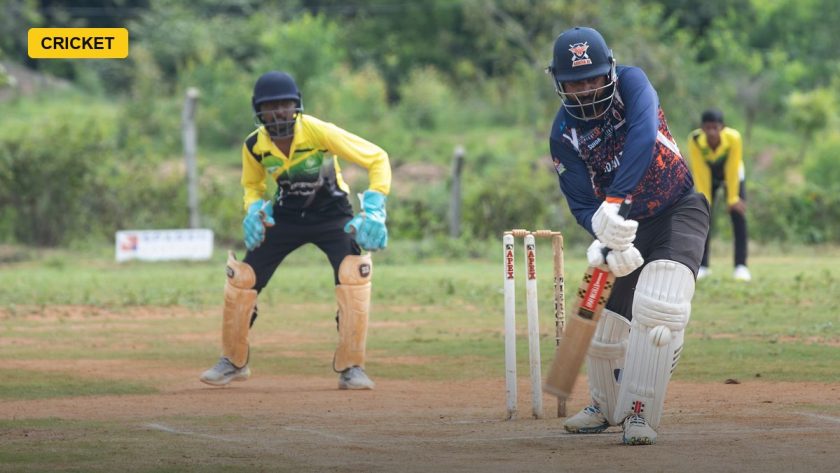
The BCCI has confirmed that the 2026-27 Syed Mushtaq Ali Trophy will run from November 14 to December 6, retaining the Super League format introduced last season, as defending champions Jharkhand prepare to defend the first major domestic T20 title in the state’s history, according to tournament details reported by Olympics.com and Wisden.
Format Holds Steady For A 19th Edition
The 2026 edition will be the 19th staging of India’s premier domestic T20 competition and will again feature all 38 teams eligible for the Ranji Trophy, split into four Elite groups of eight sides each and a six-team Plate group. Under the Super League structure retained from the previous season, the top two finishers from each Elite group advance into a further Super League stage, split into two groups of four, rather than a straight knockout bracket — a format change designed to reward consistency across the group phase rather than a single good week. The Plate group, contested separately from November 14 to 24, offers a more direct incentive: its winner is promoted into the Elite division for the following season, while the side finishing bottom of the Elite division is relegated in the opposite direction.
How Jharkhand Won Their First Title
Jharkhand arrive as champions after a breakthrough campaign in the 2025-26 edition, when they beat Haryana by 69 runs in the final at Pune to claim the state’s maiden Syed Mushtaq Ali Trophy. That final produced the highest total in the tournament’s history at the title-decider stage: Jharkhand posted 262 for 3, built on a 177-run second-wicket stand between captain Ishan Kishan, who made 101 off 49 balls to be named player of the match, and Kumar Kushagra, who contributed 81. Haryana’s reply folded for 193 in 18.3 overs. Allrounder Anukul Roy was named player of the series for his contribution with bat and ball across the knockout stages, giving Jharkhand a template of explosive batting backed by canny support bowling that they will look to replicate this time around.
The IPL Auction Shadow
Few domestic T20 tournaments in India carry as direct a line to franchise paydays as the Syed Mushtaq Ali Trophy, played in the months before the IPL auction. A Wisden analysis of standout performers flagged players such as Yash Dhull, the 2022 India Under-19 World Cup-winning captain, who scored 261 runs across seven league games last season at a strike rate of 145, as a batter likely to attract interest from franchises such as Delhi and Kolkata Knight Riders. Tripura allrounder Manisankar Murasingh, who was added to the auction list only after an initial omission, built a case through consistent contributions with both bat and ball, scoring at a strike rate above 170 across his innings while also picking up six wickets. The tournament’s placement immediately ahead of auction season means every eight-ball spell and late cameo this November will be scrutinised by franchise scouts as closely as by state selectors.
Elite Groups Set The Early Contours
With all 38 Ranji-eligible teams again split across four Elite pools and a Plate section, the group draw itself often shapes tournament narratives before a ball is bowled, determining which fancied sides face each other early and which emerging teams get a clearer run toward the Super League stage. Jharkhand’s title defence will be watched particularly closely given how specific their route to the 2025-26 crown was — built around two batters in form at the same time in the final — a formula that is notoriously difficult to repeat on demand across a month-long group-and-knockout structure.
Contrasting Expectations
Within the domestic circuit, opinion is split on whether the retained Super League format genuinely rewards the best T20 sides or simply produces more matches without changing which teams ultimately contend. Proponents argue that the extended group-into-Super-League structure, now in its second year, reduces the chance of a single bad day eliminating a strong team, pointing to how it allowed depth to show across a longer campaign last season. Sceptics within domestic coaching circles counter that for a format built around short-format unpredictability, extending the group stage mainly adds workload for contracted bowlers without changing who wins the trophy, since bigger, better-resourced associations still tend to dominate the Super League stage regardless of the extra matches.
What’s Next
Squads will be finalised in the coming weeks as state associations balance Syed Mushtaq Ali Trophy commitments against the Ranji Trophy season already underway from October 11, creating a packed red-and-white-ball calendar for India’s contracted domestic players. For Jharkhand, the challenge is replicating the batting fireworks of Kishan and Kushagra without the element of surprise that helped carry them to a maiden title; for the chasing pack, the November auction incentive means several uncapped players will be playing for state pride and a franchise contract in the same innings.
Photo: Anil Sharma / PEXELS via Pexels