
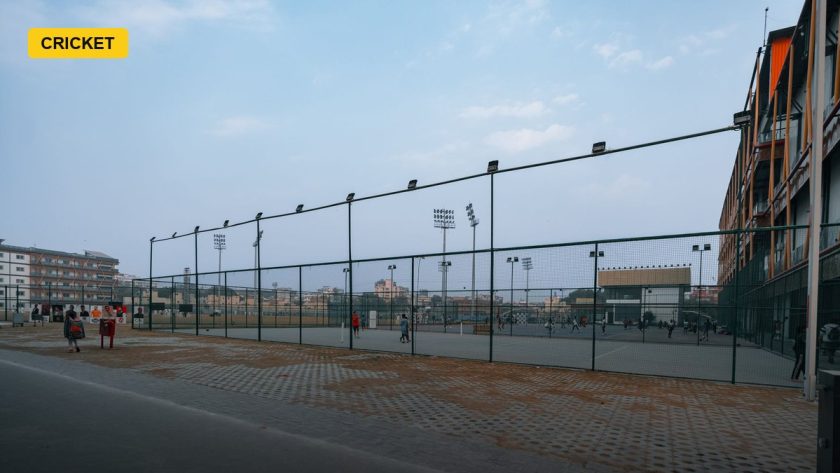
The floodlights at the Bharat Ratna Shri Atal Bihari Vajpayee Ekana Cricket Stadium in Lucknow hosted the opening T20I of a five-match series between India and West Indies on October 6, the first of five Twenty20 internationals that will also stop in Ranchi, Indore, Hyderabad and finish in Bengaluru on October 17. The fixture arrived days after the tourists wrapped up a three-match ODI series against India that ran through Thiruvananthapuram, Guwahati and New Chandigarh, giving Kieron Pollard’s successors a rare month-long stay on the subcontinent across two formats.
A Series That Doubles as a Transition Marker
For India, the five T20Is are as much about personnel as points. The home side’s leadership has shifted decisively toward Shubman Gill, who has been handed the reins across the white-ball and red-ball setups as the BCCI eases Rohit Sharma and Virat Kohli into reduced bilateral workloads ahead of the 2027 ODI World Cup cycle. The board’s latest central contracts list placed only three players — Gill, Jasprit Bumrah and Ravindra Jadeja — in the top Grade A bracket, a structural signal that the senior pair’s primacy in team hierarchy is ending even as both remain part of the selectors’ longer-term planning.
Shai Hope’s Side Looks to Build Momentum
West Indies, led in white-ball cricket by Shai Hope, have used the India assignment to test squad depth before a packed home and away calendar that includes a Test tour of Bangladesh beginning October 28. The Caribbean side has leaned on a core of experienced one-day players while handing game time to emerging T20 batters, aware that Full Member status now guarantees little insulation from a congested global schedule that favours boards able to field multiple competitive XIs simultaneously.
How the Rivalry Reached This Point
India and West Indies have traded white-ball series regularly since the mid-2010s, with venues increasingly chosen to spread international cricket beyond the traditional metros — Lucknow’s Ekana Stadium, opened in 2017, has become a frequent host for exactly this kind of mid-tier bilateral fixture, giving north Indian audiences top-flight cricket outside Delhi or Mumbai. The format split — three ODIs followed by five T20Is — also reflects the BCCI’s current preference for bundling formats into a single tour window to limit the number of discrete international windows on an already saturated FTP calendar.
Two Views on the Series’ Significance
Former India batters have framed the series as low-stakes preparation, arguing that five T20Is against a transitional West Indies side tell selectors little about India’s readiness for the next T20 World Cup cycle. Caribbean commentators counter that any series against the world’s deepest cricket talent pool is a legitimate audition for fringe West Indies players trying to force their way into Test or Champions Trophy contention, regardless of the margin of victory.
The Venue Strategy Behind the Schedule
Lucknow’s Ekana Stadium, which opened in 2017 and hosted its first international fixture the following year, has become a regular stop on the BCCI’s white-ball calendar precisely because it lets the board spread marquee cricket beyond Mumbai, Delhi, Bengaluru and Chennai. Ranchi, Indore and Hyderabad — the other three venues on this T20I itinerary before the series closes in Bengaluru — follow the same logic, a deliberate policy of rotating fixtures through state-association grounds to grow regional fan bases and local broadcast revenue rather than concentrating marquee series in a handful of metro stadiums. The slower, drier surfaces typical of several of these venues were also expected to suit India’s spin-heavy attack, with Ravindra Jadeja handed the new ball in Twenty20 cricket on occasion specifically to exploit surfaces that offer turn from the first over. West Indies’ bowling unit, lacking India’s bench depth, has had to manage workload across five matches in twelve days with a smaller rotation pool, a scheduling reality that has shaped team selection as much as any tactical consideration going into the series.
What’s Next
With the T20I series running through October 17, India will pivot almost immediately into a much heavier assignment — a tour of New Zealand beginning October 22 that spans five T20Is, five ODIs and two Tests, stretching into early December. West Indies, meanwhile, hand their white-ball squad a short turnaround before a separate Test unit departs for Bangladesh, underscoring how thinly boards must now stretch playing resources to meet the demands of the international calendar.
Photo: Arto Suraj / PEXELS via Pexels