
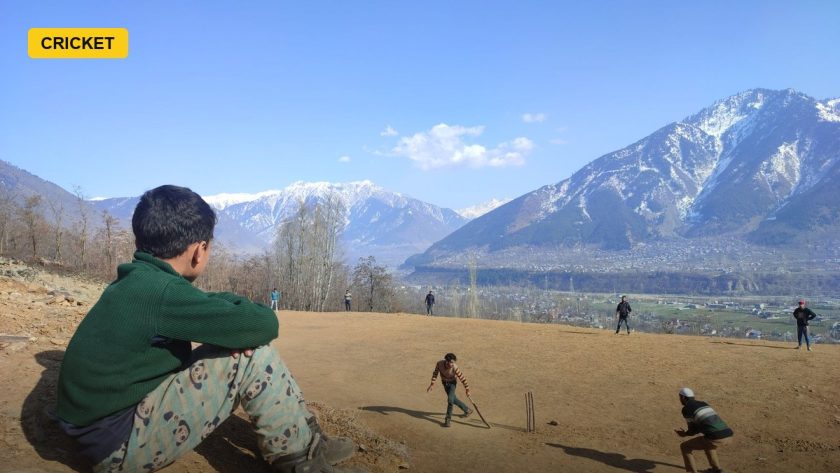
Jammu and Kashmir hosted Rest of India in the Irani Cup at Srinagar from October 1-5, a fixture that exists specifically because of a milestone few predicted: J&K’s rise to become Ranji Trophy champions. The traditional season-opening clash between the previous season’s Ranji winners and a composite Rest of India XI has rarely, if ever, been staged in the Kashmir Valley, making the fixture as significant for where it was played as for what was on the scorecard.
The Irani Cup has traditionally served as a low-key curtain-raiser overshadowed by the Ranji Trophy season that follows it, but hosting duties rotating to a champion association’s home ground give it outsized local significance in years like this one. For Jammu and Kashmir’s cricket community, simply having the fixture played in Srinagar rather than at a neutral, better-resourced venue elsewhere in the country represented a tangible, visible reward for the title — the kind of symbolic recognition that can matter as much to a developing cricket region as the financial grants that typically follow a breakthrough season.
A Region Better Known for Cricket’s Margins
Jammu and Kashmir’s cricket association has spent decades operating on the periphery of India’s first-class structure, hampered by security concerns, limited infrastructure investment and a smaller pool of first-class-ready players compared to traditional powerhouses like Mumbai, Karnataka or Saurashtra. A Ranji Trophy title changes that calculus overnight, both in terms of BCCI funding attention and in the symbolic value of hosting the Irani Cup — a fixture typically awarded to venues the board wants to showcase.
What Hosting in Srinagar Required
Staging a multi-day first-class fixture in Srinagar carries logistical and security considerations that venues elsewhere in the country do not face to the same degree, from heightened stadium security protocols to the practical challenges of hosting a Rest of India squad and match officials for several days. That the BCCI and the Jammu and Kashmir Cricket Association were able to deliver the fixture at all reflects years of incremental investment in the Valley’s cricket infrastructure, even if it remains modest relative to the country’s major Test and ODI venues.
Why the Title Matters Beyond One Season
A maiden Ranji Trophy title typically triggers a wave of downstream benefits for a smaller cricket association: increased BCCI grants, greater visibility for age-group talent trying to break into state age-group squads, and a recruiting pitch to young cricketers in the region who might otherwise gravitate toward associations with longer first-class pedigrees. Administrators in the region have long argued that sustained success, not just isolated good seasons, is what is needed to convince talented young Kashmiri cricketers that a first-class career at home is viable.
Cautious Optimism Versus Historical Scepticism
Some domestic cricket observers see J&K’s title as evidence that the BCCI’s investment in developing cricket outside the traditional metros is finally bearing fruit, pointing to improved net practice facilities and age-group coaching set up over the past decade. Others caution against reading too much into a single triumphant season, noting that first-class cricket in India has seen previous surprise champions fail to sustain form once the next generation of players moves through the system, and that Kashmir’s unique security and logistical challenges make year-on-year consistency harder to guarantee than elsewhere.
Funding Follows Form
Cricket associations that break through for a maiden Ranji Trophy title typically see a tangible bump in BCCI grant allocations in the following seasons, funding that state associations funnel toward ground upgrades, age-group academies and coaching appointments rather than simply pocketing as a windfall. Vidarbha’s back-to-back Ranji titles in 2017-18 and 2018-19 offer the clearest recent precedent for how a breakthrough champion can parlay unexpected success into sustained infrastructure investment, and J&K’s cricket association will be watching that example closely as it tries to convert a single title into the kind of durable pipeline that keeps producing first-class-ready players rather than a one-off generational peak. Whether the BCCI’s domestic cricket committee treats J&K’s win as evidence to accelerate investment in the region, or as a pleasant surprise within an otherwise unchanged funding formula, will become clearer over the course of the newly restructured two-phase season.
Looking Toward the Title Defence
J&K now carries its champion’s status into the newly restructured, two-phase 2026-27 Ranji Trophy season, which opened its first phase on October 11 across the country. Whether the side can back up its breakthrough title with a credible defence — and whether Srinagar continues to host marquee fixtures as a result — will be one of the more closely watched storylines of India’s domestic season running into 2027.
Photo: Shahid Sultan / PEXELS via Pexels