
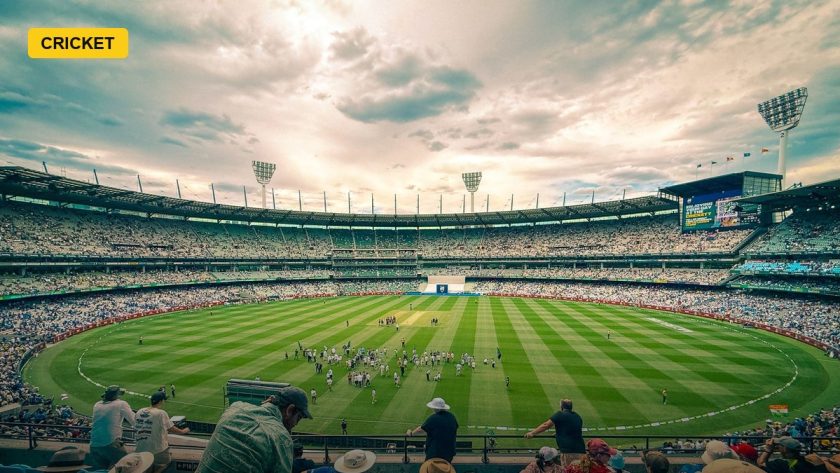
The Women’s Big Bash League begins its 2026 season on October 29 with a doubleheader at Junction Oval, where Melbourne Renegades face Sydney Thunder before Melbourne Stars take on defending champions Hobart Hurricanes. The season runs through a December 5 final, with knockout and challenger matches scheduled for December 1 and 3, and organisers have trimmed morning fixtures and neutral-venue matches in favour of a heavier concentration of games across Friday-to-Sunday windows.
The weekend-heavy restructuring followed years of feedback from broadcasters and club administrators who argued that fixtures scheduled on weekday mornings, originally included to maximise total match volume across a compact window, rarely attracted meaningful live attendance even when streamed nationally. Concentrating the bulk of the season into weekend slots necessarily compresses the number of rest days between matches for touring squads, a trade-off Cricket Australia has judged acceptable given the league’s relatively short eight-team, round-robin-plus-finals structure compared to the longer touring demands of bilateral international cricket.
Format Tweaks Aimed at Attendance
Cricket Australia’s scheduling changes respond directly to years of criticism that daytime and midweek WBBL fixtures struggled to draw crowds compared to marquee weekend slots. Concentrating matches into weekend windows is a deliberate attempt to lift attendance and broadcast viewership figures that have lagged behind the league’s ambitions even as the standard of cricket on display has risen season over season.
A League Confronting New Competition
The scheduling overhaul arrives as the WBBL faces its most serious competitive challenge yet from rival women’s T20 leagues. The Big Bash League’s own leadership has publicly backed the WBBL as “the world’s premier domestic women’s T20 competition,” even as the rapid financial rise of India’s Women’s Premier League and England’s The Hundred increasingly draws star players and headlines away from Australian franchise cricket.
The Pay Gap That Won’t Go Away
The clearest evidence of that competitive pressure surfaced during this year’s Hundred player draft, where Australian star Beth Mooney secured a contract worth roughly AU$400,000 — more than three times the maximum available under a WBBL contract. The highest-paid overseas players selected through the WBBL draft currently top out around AU$110,000, a gap that has fuelled quiet frustration among players and agents about whether Cricket Australia’s flagship women’s competition can keep pace financially with newer, richer rivals.
The gap is not simply about marquee overseas signings either. Even Australian domestic players at the top of the WBBL’s own pay scale earn well below what comparable WPL or Hundred contracts now offer, meaning some of the country’s own best players face growing financial incentive to prioritise overseas leagues during windows that clash with WBBL commitments. Cricket Australia has so far resisted calls to lift the overall salary cap significantly, arguing that doing so without a corresponding rise in broadcast revenue would strain franchises already operating on thin margins, a position player associations have publicly challenged as the WBBL enters a season where its competitive standing, not just its financial one, is increasingly being measured against rivals it once had no real peer for.
Two Views on What the WBBL Should Do
Some Cricket Australia officials argue the WBBL’s value lies in strength of competition and depth of talent rather than headline salaries, pointing to its longer history and more even distribution of overseas stars across all eight franchises. Player advocates counter that competition quality alone will not stop a slow player drain if the pay gap with the WPL and Hundred continues to widen, and that Cricket Australia risks the WBBL becoming a development league that loses its biggest stars to richer tournaments at the peak of their careers.
Coaching Changes Add to the Shake-Up
Melbourne Stars have added their own subplot to the season by restructuring their coaching staff, with Andy Christie stepping down as WBBL head coach to focus on Victoria’s state programme while a dedicated WBBL-only head coach is recruited — part of a wider Cricket Victoria push to separate state and franchise responsibilities ahead of the new season.
What to Watch This Season
Beyond the Junction Oval opener, the key storylines through December will be whether the new weekend-heavy schedule meaningfully lifts attendance and ratings, and whether Cricket Australia signals any movement on salary caps before the WPL and Hundred’s next auction cycles tempt more Australian talent offshore.
Photo: Harshil Suthar / PEXELS via Pexels