
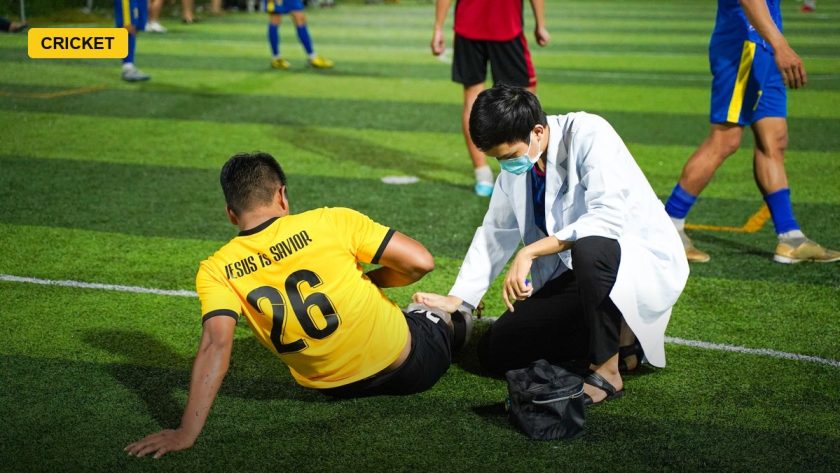
Sri Lanka batter Dinesh Chandimal sustained an injury while fielding during a tour match against India, hitting his shoulder and head hard on the ground in a heavy fall, though a precautionary scan showed no signs of serious injury, easing concerns for the experienced campaigner’s immediate availability.
How the Incident Unfolded
Chandimal was fielding when he went down awkwardly, sustaining what initial assessments described as a significant impact to both his shoulder and head. The nature of the fall prompted immediate medical attention and the decision to conduct precautionary scans given the involvement of a head impact, a standard protocol in modern cricket given the sport’s heightened awareness of concussion-related risks in recent years.
Relief From the Scan Results
The precautionary scan returning no signs of serious injury will come as considerable relief to both Chandimal and Sri Lanka’s team management, given the experienced batter’s importance to the squad across formats. Head impacts in cricket are treated with particular caution following several high-profile concussion incidents across world cricket in recent years, and medical staff would have been especially attentive to any signs of delayed symptoms before clearing him.
Chandimal’s Role in the Squad
As one of Sri Lanka’s more experienced campaigners, Chandimal’s fitness carries significance beyond the immediate tour match, with his composure and technique valued particularly in longer-format cricket and high-pressure run-chases. His continued availability matters for a Sri Lankan setup that is simultaneously managing squad planning for the upcoming T20 World Cup and a broader run of bilateral assignments across the year.
Concussion Protocols in Modern Cricket
The incident highlights the continued importance of rigorous concussion and head-injury protocols that have become standard across international cricket, with players now routinely withdrawn from play and assessed even when initial appearances suggest the injury may not be severe. The sport’s governing bodies have progressively tightened these protocols following several incidents in past years where delayed symptoms were only identified after players had continued participating.
Context of the Tour
The tour match forms part of a broader period of engagement between Sri Lanka and India across formats, with Sri Lanka also scheduled to tour India again in December 2026 for three ODIs and three T20Is. Chandimal’s fitness heading into that and other upcoming assignments will be monitored closely by Sri Lanka’s medical and team management staff following this latest scare.
What’s Next
Sri Lanka’s team management is expected to continue monitoring Chandimal in the days following the incident, even with the reassuring scan results, before confirming his involvement in any remaining matches on the tour. His recovery timeline and continued fitness will be a point of interest as Sri Lanka finalises squad plans for both the immediate tour schedule and the longer-term build-up to the T20 World Cup.
Photo: Quyn Phạm / PEXELS via Pexels