
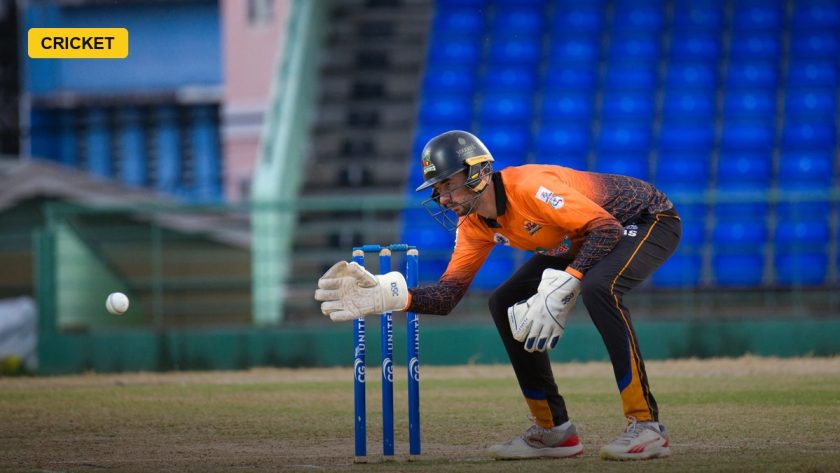
Namibia, the United Arab Emirates and the United States are contesting a tri-nation ODI series at Grand Prairie Stadium in Texas this month, with matches on October 5, 7 and 9 giving three associate and Full Member-adjacent nations a rare block of fixtures against each other outside a global tournament window.
A Venue Built for Growth
Grand Prairie Stadium has become an increasingly important venue for cricket’s expansion in North America, having hosted high-profile fixtures in recent years as part of the sport’s broader push into the United States market. Staging a tri-series there involving the USA alongside Namibia and the UAE reflects an effort by organisers to use the venue’s growing reputation to give American cricket meaningful fixtures against nations with more established ODI pedigree.
USA Cricket’s Ongoing Rebuild
For the United States, the series represents another step in a rebuilding process that has followed a turbulent period for the national programme, including governance disputes and inconsistent results since the team’s breakthrough appearance at the 2024 T20 World Cup on home soil. Regular fixtures against sides like Namibia and the UAE, both considerably more experienced in positioning themselves for ICC qualification pathways, offer the USA valuable competitive data even when results do not go their way.
Namibia and the UAE’s Qualification Calculus
Both Namibia and the UAE have spent recent years building their case for a route into the 2027 ICC Men’s Cricket World Cup through the qualifying pathway rather than direct entry, since neither side ranks among the top-placed Full Members guaranteed automatic qualification. Every fixture against comparable opposition carries weight for their rankings points and squad preparation, making this tri-series more consequential for both sides than its relatively low profile might suggest.
A Qualification System Under Scrutiny
The broader qualification structure for the 2027 World Cup, which channels the lowest-ranked Full Members alongside the top sides from World Cup League 2 and a separate qualifier playoff into a final qualifying tournament, has drawn criticism from some within associate cricket circles who argue the pathway remains too narrow for the number of credible associate nations competing for places. Supporters of the current system counter that it still represents a meaningful expansion on historical qualification structures that gave associate nations even fewer routes to the global stage.
Why Low-Profile Series Still Matter
Series like this one rarely draw the global attention of a bilateral fixture between Full Members, but for boards like Cricket Namibia and the Emirates Cricket Board, consistent exposure to ODI cricket against varied opposition is central to long-term player development. The USA, in particular, benefits from fixtures on home soil that allow its growing domestic playing pool, drawn significantly from cricket-playing immigrant communities, to be tested against international-standard bowling and batting.
What’s Next
With the three-match series wrapping up on October 9, all three boards will fold the results into their broader planning for the qualification cycle ahead of the 2027 World Cup, whose qualifier tournament is scheduled for February and March 2027. For cricket’s ambitions in the United States specifically, continued fixtures at venues like Grand Prairie Stadium remain central to the sport’s long-term commercial and participation growth in the country.
Photo: Jermaine Lewis / PEXELS via Pexels