
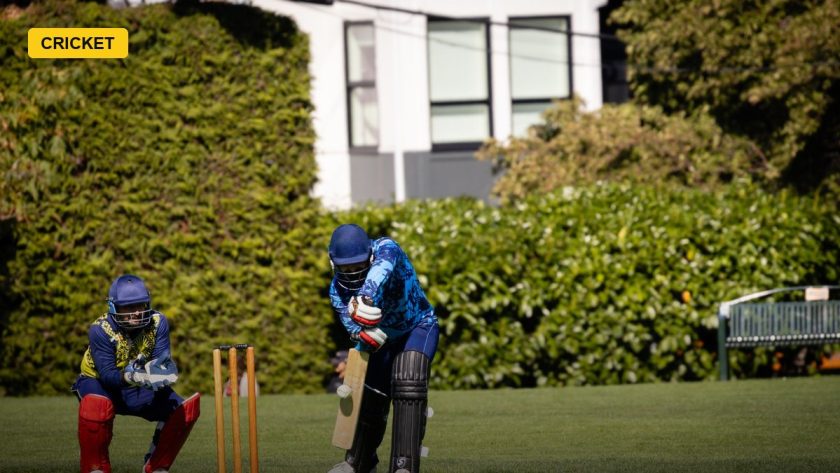
Bangladesh Women begin a three-match ODI series in Australia on October 9, running through to October 22, giving the touring side a rare extended assignment against one of the dominant forces in the women’s game as both boards look ahead to the next cycle of ICC events.
A Tough Assignment by Design
Touring Australia has long been considered one of the most demanding assignments in women’s cricket, given the host nation’s strength in depth across batting, pace and spin options built on a domestic structure that feeds directly into the national side through the WBBL and state programmes. For Bangladesh, a side still establishing itself as a consistent force in the 50-over format, the series offers a direct measure of how far the programme has progressed against the very best opposition available.
Why the Timing Matters for Bangladesh
The tour lands in the same period as a packed home calendar for Bangladesh’s men’s team, including fixtures against Afghanistan, Zimbabwe and West Indies, underlining how the Bangladesh Cricket Board is managing an increasingly busy international programme across both the men’s and women’s sides simultaneously. Securing quality fixtures against top-tier opposition for the women’s team, even when results are likely to be lopsided, is viewed within the board as essential for the format’s long-term development in the country.
Australia’s Perspective: Using Depth to Rotate
For Australia, a series against Bangladesh offers an opportunity to manage workload across a squad that remains one of the most credentialed in the sport, rotating players who might otherwise be carrying heavy minutes across the WBBL and international calendar. It also gives fringe players a chance to press their case for selection in the more high-profile assignments Australia has scheduled later in the year, including a tour by England for white-ball fixtures in November and December.
A Counterpoint on the Value of Mismatched Series
Not everyone agrees that bilateral series between sides with such a wide gap in current strength serve the broader development goals both boards cite. Some commentators have argued that a steady diet of lopsided results against the game’s strongest teams does less for emerging programmes like Bangladesh’s than more fixtures against comparable opposition would, and that the ICC’s broader scheduling priorities should weigh competitive balance more heavily when allocating bilateral windows.
The Bigger Picture for Women’s ODI Cricket
The series also plays into the wider context of ODI rankings and qualification pathways that increasingly shape which nations earn direct entry into global tournaments versus having to navigate a qualifying route. Every fixture against a Full Member nation carries weight for Bangladesh’s rankings position, even when the on-field gap between the sides remains substantial.
What’s Next
With the series running through to October 22, Bangladesh’s performances will be assessed less on the overall results and more on individual signs of progress, particularly from younger players being blooded against world-class opposition. For Australia, the series serves as a lower-stakes proving ground ahead of a busier assignment schedule later in the year, as the team continues to balance squad depth management with maintaining the high standards that have defined the programme for over a decade.
Photo: Lorien le Poer Trench / PEXELS via Pexels