
Ajit Agarkar’s tenure as chairman of the BCCI’s senior men’s selection committee formally ended on October 4, and as of this week the board has not announced a successor, leaving the panel to finalise squads for India’s upcoming tour of New Zealand without a confirmed chief selector in place.
A Decision Agarkar Made Himself
The vacancy traces back to September 18, when Agarkar informed the BCCI directly that he did not want his contract extended beyond its expiry. That timeline contradicts earlier reporting from April, which had suggested the board renewed his deal for another year, or even through to June 2027, underlining how quickly the picture shifted once Agarkar made his preference known to the board’s office-bearers.
The Board’s Deliberate Pace
BCCI secretary Devajit Saikia has publicly downplayed any sense of urgency, saying the post would simply remain vacant after October 4 and that the board had ample time to settle on a replacement. Saikia said the board was not in a hurry and would announce a successor only once a decision had been finalised, a stance that has drawn some criticism from former players who argue that a vacant chairmanship during an active international season sends the wrong signal about the board’s selection priorities.
Names in the Frame
Media reports have circulated several candidates to replace Agarkar, with former wicketkeeper-batter Parthiv Patel and former spinner Pragyan Ojha both named as contenders. Earlier speculation had pointed to former India batter VVS Laxman as the frontrunner should the board opt for a change, though none of these names have been confirmed by the BCCI itself, and the board has given no public timeline for when an announcement might come.
Each of the names circulating brings a different profile: Patel offers recent experience on state and franchise selection panels, Ojha represents the spin-bowling fraternity that has felt underrepresented on recent committees, and Laxman carries the stature of a long-serving National Cricket Academy head who has already worked closely with India’s pipeline of contracted players.
Selection Duties Continue Regardless
In the meantime, the four other members of the panel are continuing to function without a chairman, a structure the BCCI’s playing conditions technically allow but one that selectors privately acknowledge complicates decision-making on contentious calls. The timing is awkward: India’s senior selection committee was expected to meet between October 5 and October 11 to finalise squads for a 12-match, three-format tour of New Zealand that begins with T20Is on October 22, followed by five ODIs in November and a Test series to close the year.
A Tour That Raises the Stakes
The New Zealand tour carries particular significance because reports suggest both Virat Kohli and Rohit Sharma are expected to feature in India’s ODI plans, continuing their phased returns to the format ahead of the 2027 ODI World Cup cycle, though neither selection has been confirmed. Any committee operating without a permanent chairman faces added scrutiny on senior-player calls of this magnitude, since questions about accountability for such decisions become harder to answer when the leadership structure itself is unsettled.
What’s Next
With the New Zealand tour fast approaching and squads due imminently, the BCCI faces pressure to resolve the chairmanship question quickly, even if Saikia’s public comments suggest the board is comfortable taking its time. Whoever eventually takes over will inherit a selection panel already mid-cycle on a high-profile tour, and their first major call, on the composition of India’s ODI squad and the role of its most experienced batters, will arrive before they have had any real runway to settle into the job.
The episode also revives a recurring debate in Indian cricket about how much independence the selection committee truly has from the board’s office-bearers. Supporters of the current structure note that recent panels led by Agarkar presided over a run of white-ball success, including a home T20 World Cup title, and argue the system does not need an overhaul, only a swiftly named replacement. Sceptics counter that repeated uncertainty over chief selector contracts, now twice in three years, points to deeper governance questions the BCCI has yet to address, and that the timing of this particular vacancy, right before a major overseas tour, makes the lapse harder to defend than if it had occurred during a quieter stretch of the calendar.
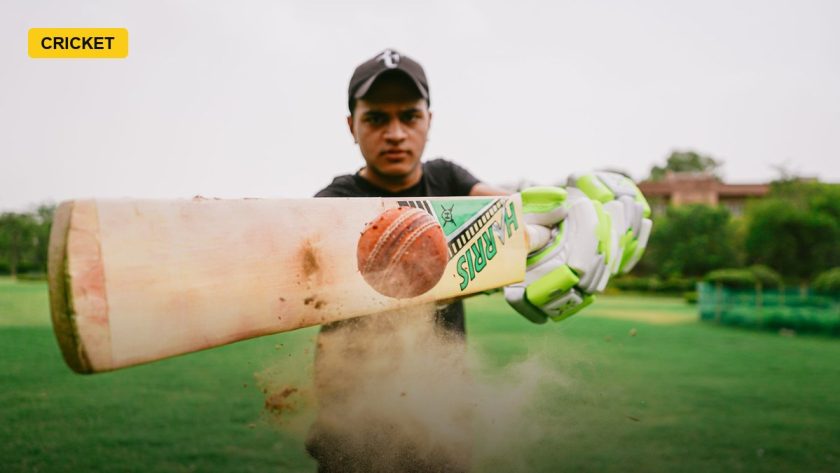
Photo: Yogendra Singh / PEXELS via Pexels