
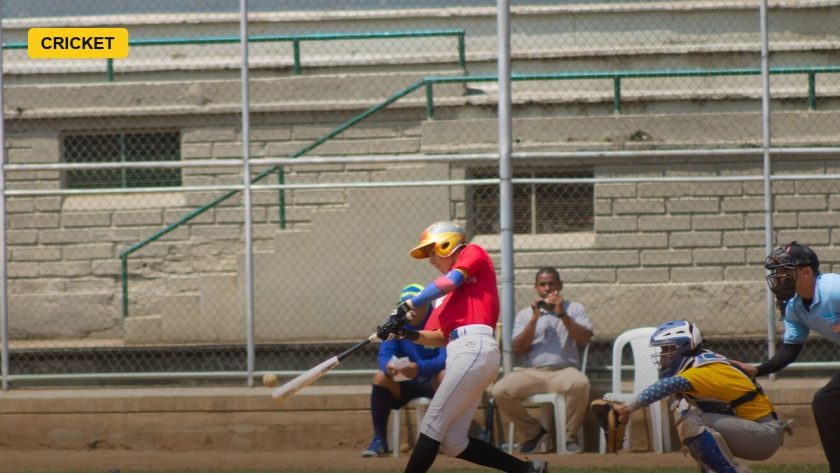
Matthew Renshaw walked off at Kingsmead on day two of the first Test against South Africa for 190, a score that rescued Australia from 6 for 124 and propelled them to 390 all out. It was only his second Test century in a decade of trying, and it arrived through a ninth-wicket stand with Nathan Lyon worth 134 runs — Australia’s best for that wicket since 1894 — in a partnership that turned a precarious position into a commanding one.
From Teenage Prodigy to Forgotten Man
Renshaw’s maiden Test hundred came in January 2017, in just his fourth match, when he made 184 against Pakistan in Sydney as a 20-year-old opener tipped for a long international career. What followed instead was a decade of starts and stops: he has been dropped from the Australian Test side three times across 16 matches, and in February 2020 he was even axed from Queensland’s Sheffield Shield team, prompting a brief break from the game altogether. “I had the opportunity in 2023 and didn’t take it,” Renshaw admitted after his Durban innings, recalling a recall that didn’t lead anywhere and left him fearing he might not get another chance.
The Innings Itself
Promoted to No. 5 after Nic Maddinson’s 33-ball duck in the first innings drew selection criticism, Renshaw ground his way to three figures off his 204th ball with a shot down the ground off Marco Jansen, then kept going. He hit Anrich Nortje for two boundaries in a single over, reverse-swept the spinners after tea, and upper-cut Nortje for six before finally edging Simon Harmer to slip two balls after the interval, having faced 397 deliveries in total. Asked about missing out on a double century, he shrugged it off: “I’ve probably turned down 40 or 50 runs,” he said, framing the dismissal as a product of positive intent rather than regret.
A Stand for the Ages
The partnership with Lyon, who made 27 in support, was the platform for everything that followed — Pat Cummins later added 43 further down the order as Australia’s tail wagged its way to 390. A ninth-wicket stand worth 134 is a rare enough feat in Test cricket at any level; that it was Australia’s best at that position since 1894 underlines just how unusual the circumstances were, with two bowlers effectively bailing out a top and middle order that had stumbled to 124 for 6.
Parenthood, White-Ball Cricket and a Changed Approach
Teammates and commentators have pointed to Renshaw’s recent development in white-ball cricket — he has since added ODI and T20I appearances to his résumé — as a factor in a more attacking game that served him well against the second new ball and spin alike. He also credits fatherhood with shifting his perspective on cricket’s setbacks. “All the stuff that I’ve done in the past 10 years has led me to this moment,” he said, adding that he wouldn’t be where he is without the failures along the way.
A Selection Puzzle of His Own Making
Renshaw was only recalled to open in August, as cover during the home series against Bangladesh, and his new home in the middle order at No. 5 now creates a selection dilemma for coach Andrew McDonald: does Renshaw stay in the middle order where he has just made a career-defining score, or return to opening once Cameron Green or Josh Inglis are available for selection? It is the kind of problem most players would welcome, but it leaves Australia’s top-order balance unresolved even as the runs keep coming.
What’s Next
Renshaw’s innings put Australia in such command of the Durban Test that South Africa were fighting to save it by day four, with the tourists 139 runs ahead and all ten second-innings wickets intact at one stage. The series continues at St George’s Park in Gqeberha from October 18-22, where Renshaw’s next assignment — wherever he bats — will be to prove Durban was the start of a new chapter rather than another peak followed by another trough.
Photo: Willypomares / PIXABAY via Pixabay