
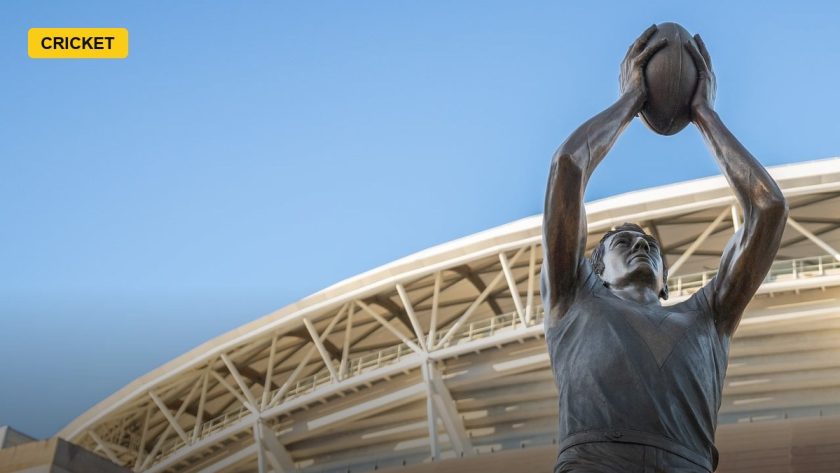
The 125th Sheffield Shield got under way on October 7 with a rematch of last season’s final, as defending champions South Australia travelled to Melbourne’s Junction Oval to face Victoria in the tournament’s marquee opening fixture. A day later, New South Wales hosted Tasmania at Cricket Central while Queensland took on Western Australia at the WACA Ground, completing a staggered start to a six-team competition that will run, uninterrupted by finals this time, until a five-day decider from March 25 to 29, 2027.
A Title Defense With History on the Line
South Australia arrive at the new season chasing a third consecutive Shield title, a feat last managed by a Victorian side more than a decade ago. Under coach Ryan Harris, the Redbacks have built their recent dominance on disciplined seam bowling and the kind of depth that lets them absorb injuries to internationally contracted players without losing competitiveness. Adelaide Oval will host all five of South Australia’s home fixtures this season, the first time the state has committed to a single venue since 2012-13, a logistical decision officials hope will help curators produce more consistent surfaces across the campaign.
New South Wales Chase an Elusive Home Win
Few storylines carry more weight than New South Wales’ form at Cricket Central, their adopted home venue while the Sydney Cricket Ground undergoes redevelopment work around major events. Coach Brad Haddin has pointed out that the Blues have not won a single Shield match there, compiling five draws and a loss in their time at the ground. NSW enter this season having translated strong one-day form into little red-ball reward, and Haddin’s side will need a response at Cricket Central if they are to avoid another campaign defined by near-misses rather than points on the table.
Cricket Australia Tinkers With the Format
Behind the on-field rivalries, Cricket Australia is trialling two meaningful changes to playing conditions this season. Session times have been restructured to lengthen the middle session and shorten the final one, a tweak administrators say is designed to rebalance the contest between bat and ball and to give spin bowlers more productive overs later in the day when the pitch is expected to offer assistance. A trial allowing injury substitutes, first introduced in recent seasons, will also continue, pending any change of heart from the International Cricket Council, which has been cautious about endorsing the concept at international level.
A Tight Window Before the Internationals Intrude
The six teams will play ten matches apiece, six of them squeezed in before the Big Bash League takes over the Australian summer, with the remaining four following after the T20 competition wraps up. Crucially, the first six rounds are scheduled to finish before Australia’s four-Test series against New Zealand begins on December 9, meaning several frontline internationals, including Tasmania’s Nathan Ellis, Matthew Kuhnemann and Beau Webster, will be unavailable for Shield duty from the middle of the season onward. Tasmania coach Jeff Vaughan will instead lean on the experience of captain Jordan Silk and the return of Ben McDermott to offset those absences, while emerging players like Nikhil Chaudhary and Mitch Owen head off with Australia A.
The Case for Change, and the Case for Caution
Supporters of the revised session structure argue that Australian domestic cricket has for years tilted too heavily toward seam-friendly conditions and compressed afternoons, discouraging spin bowling development at a time when Australia’s Test attack still leans overwhelmingly on fast bowlers. Lengthening the middle session, they argue, gives spinners more overs in testing, worn conditions. Skeptics within the coaching fraternity counter that tinkering with session lengths risks disrupting over-rates and player fitness routines that have been calibrated for decades, and that the real fix for Australian spin bowling lies in grade-cricket pitches and junior pathways rather than first-class scheduling tweaks.
What’s Next
Round two arrives October 19 to 22, with South Australia hosting Queensland at Adelaide Oval in the first of seven matches Fox Cricket will broadcast live through the season, and Western Australia facing New South Wales at the WACA. Round seven, in February, will be played entirely under lights with the pink ball, including a day-night clash between Victoria and Tasmania at the MCG. For now, the early emphasis falls on South Australia’s title defense and whether Haddin’s Blues can finally break their Cricket Central hoodoo before the Test calendar strips both competitions of their biggest names.
Photo: barasa81 / PIXABAY via Pixabay