
India closed out the ODI leg of West Indies’ tour with a 2-1 series win, built almost entirely on the back of Shubman Gill’s bat. Across three matches — at Thiruvananthapuram on September 27, Guwahati on September 30, and a new venue near Chandigarh on October 3 — Gill piled up 334 runs to finish as the series’ leading run-scorer and was named Player of the Series, while left-arm wrist-spinner Kuldeep Yadav topped the wicket charts with seven dismissals across the three games.
A series that swung on Gill’s form
Gill’s tally of 334 runs across just three innings is the kind of number that decides series outright, and it did here. India’s top order has leaned heavily on his consistency since he took over as ODI captain, and this series was no exception: West Indies’ bowling attack, built around pace options rather than express express pace, struggled to find a plan for him on used pitches that increasingly favored spin as each match wore on. Kuldeep Yadav’s seven wickets did the rest, exploiting surfaces that turned more than expected for a format India has historically played on flatter decks.
West Indies found a genuine bright spot
The series was not a one-sided rout, and West Indies have a real takeaway beyond the scoreline. Allrounder Justin Greaves scored his maiden century in One Day Internationals during the tour, a landmark innings for a player who has spent much of his international career in the lower middle order rather than as a front-line run-scorer. For a West Indies side still rebuilding its ODI stock after a difficult stretch in the format, a maiden hundred from a player not traditionally seen as a specialist batter is the sort of development selectors will point to heading into the next cycle.
A debut amid the squad rotation
India used the series to manage their squad depth as well as win matches. Naman Dhir made his ODI debut during the series, part of a broader pattern of India blooding newer names in bilateral cricket while first-choice players are managed through a packed calendar. The rotation wasn’t without cost: pace bowler Prasidh Krishna was ruled out of the third ODI on October 1 with a hamstring injury and was replaced by Anshul Kamboj, a reminder of how thin the margin for error gets once an injury hits mid-series.
Captains on both sides, different pressures
Gill’s captaincy of the ODI side continues to look settled following his elevation to the role, with the Player of the Series award doing double duty as validation of both his batting and his leadership through the three matches. On the other side, Shai Hope captained West Indies across both the ODI and T20I legs of the tour, a dual workload that reflects how thin West Indies’ leadership pool has become relative to India’s embarrassment of options. Hope’s own role as both opener and captain means West Indies’ results are unusually tied to his personal form, a dynamic that will be watched closely as the tour moves into its final stretch.
What’s left on the tour
The series now shifts fully to T20Is, with India looking to carry the ODI momentum into the shorter format through matches in Lucknow, Ranchi, Indore, and Hyderabad before the tour concludes in Bengaluru on October 17. For West Indies, the five-match T20I series offers a chance to salvage something from the tour after losing the 50-over leg, and Greaves’ white-ball form in particular will be worth tracking as a sign of whether his ODI breakthrough translates to the shorter format. For India, the bigger question heading into the back half of the tour is squad management: with Gill, Kuldeep and company already delivering results, selectors face the pleasant problem of deciding how much further to rotate ahead of a congested international calendar.
The bigger picture
Bilateral series against West Indies rarely draw the attention of marquee contests against Australia or England, but this one mattered for both sides in different ways. For India, it confirmed Gill’s growing stature as both batter and captain in the 50-over format. For West Indies, Greaves’ century offered a genuine building block at a time when the side badly needs individual performances to point to. Neither team will treat the result as transformative, but both head into the T20I series with something concrete to carry forward.
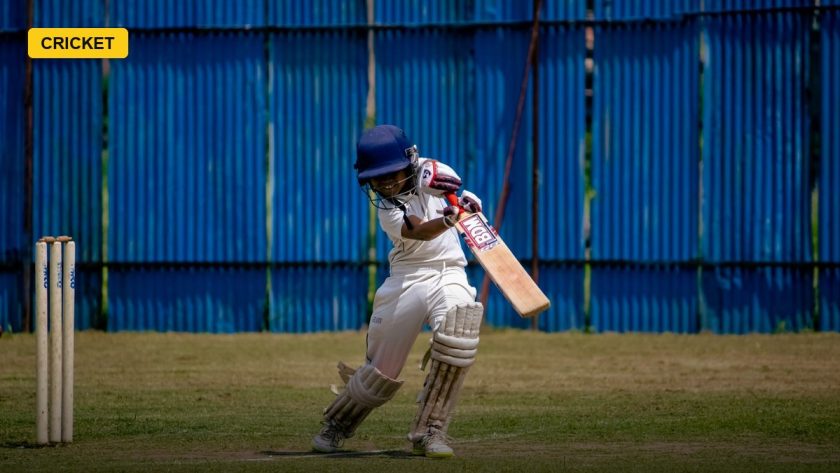
Photo: Sandeep Singh / PEXELS via Pexels