
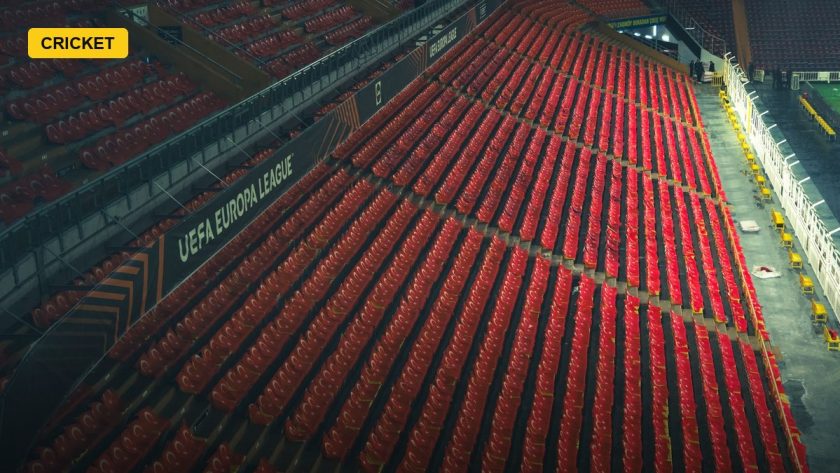
This year’s Pakistan Super League is being played behind closed doors, with the Pakistan Cricket Board cutting the tournament back to just two host cities as a worsening national fuel crisis and ongoing security concerns forced organizers to scale back what is normally the country’s biggest domestic sporting event.
From six cities to two, and no crowds at all
The PCB confirmed matches would be restricted to Lahore and Karachi, down from the six host cities originally planned for this edition. PCB chairman Mohsin Naqvi said the board would not allow crowds at matches for as long as the crisis continues, and the tournament’s opening ceremony — usually a marquee broadcast event in its own right — was scrapped entirely. For a league that has spent recent seasons expanding its footprint across Pakistani cities to grow its domestic fan base, the retreat to two venues with no spectators at all is a significant step backward.
An oil shock with roots far from the cricket ground
The fuel crisis behind the decision traces back to the broader oil-price shock following escalating conflict involving the United States, Israel, and Iran, which has driven up crude prices and squeezed fuel supplies across the region. Pakistan’s government has asked citizens to restrict movement as fuel prices climb, and that directive extends to large public gatherings like PSL matches, which ordinarily draw tens of thousands of fans and require significant transport and logistics infrastructure to run smoothly.
Refunds, compensation, and the financial hit to franchises
The PCB has moved to limit the financial fallout from the decision. Ticket refunds are due to fans within 72 hours of the announcement, and the board has committed to compensating team franchises for the gate receipts they will lose from playing in empty stadiums. For franchises that build commercial projections around ticket sales and match-day sponsorship activation, closed-door cricket removes a meaningful revenue stream for the length of the tournament, even with PCB compensation softening the blow.
Overseas players head for the exits
The disruption has also cost the league some of its overseas talent. Australians Jake Fraser-McGurk and Spencer Johnson, South African seamer Ottneil Baartman, and West Indies spinner Gudakesh Motie have all withdrawn from the tournament for personal reasons, a wave of departures that overlaps closely with the timing of the crisis even where it has not been stated as the explicit cause. Their exits thin out what the PSL markets as one of its key draws — a roster of international stars alongside Pakistan’s domestic players — at a tournament already operating under reduced circumstances.
Not the first time regional conflict has reshaped the league
The PSL has had to adapt to geopolitical shocks before, but rarely this directly. Previous editions have dealt with security-driven changes to host cities and schedule disruptions, but a fuel crisis severe enough to empty stadiums entirely represents a different category of disruption — one tied not to a specific security threat at the grounds themselves, but to a national economic strain that makes normal public life harder to sustain. It puts the PCB in the position of running a major broadcast product while the basic infrastructure fans would use to attend in person is constrained by forces entirely outside cricket.
What it means for the rest of the tournament
For broadcasters, the empty-stadium format changes little about the on-field product, but it strips away the atmosphere that has become part of the PSL’s commercial pitch to advertisers and overseas audiences. For the PCB, the priority now is simply getting the tournament to its conclusion without further disruption, while managing the financial relationship with franchises who signed on for a very different kind of season. Whether the restrictions lift before the tournament ends will depend entirely on factors well outside cricket’s control — namely, how long the regional oil shock continues to strain Pakistan’s fuel supply and how quickly conditions allow the PCB to let fans back through the turnstiles.
Photo: hayati ilker ergün / PEXELS via Pexels