
Cricket Victoria has confirmed plans to merge the Melbourne Stars and Melbourne Renegades into a single Big Bash League franchise for the 2026-27 season, retiring the Stars’ name and colours while selling the second licence to a private investor as part of Cricket Australia’s broader push to privatise ownership of the T20 competition, one of the most significant structural changes in the league’s history, and one that will directly affect the playing futures of dozens of contracted men’s and women’s cricketers across both Melbourne franchises.
What the merger actually changes
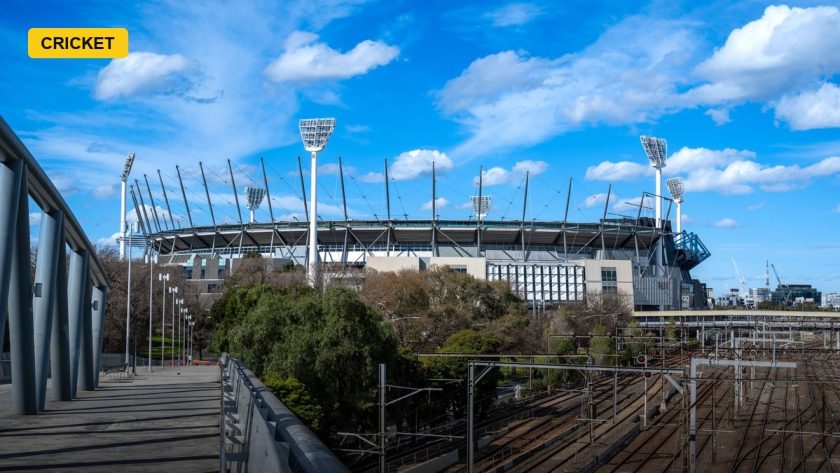
Under the plan, the merged team will play home games at the MCG under new navy-blue branding, with a new nickname yet to be confirmed; one internal suggestion floated has been the Bushrangers. The Stars’ contracted playing roster is set to stay with the merged entity for 2026-27, while the Renegades licence itself will continue to exist on paper, run by a caretaker administration until a buyer is secured for a full private sale, a structure designed to keep two Victorian licences technically alive through the transition period.
Why Cricket Victoria made the call
The restructure is being driven by Cricket Australia’s wider effort to introduce private ownership into the Big Bash and Women’s Big Bash leagues, a model state associations have been negotiating for several seasons as broadcast and sponsorship revenue in Australian domestic cricket has lagged the IPL, the Hundred and other franchise competitions globally. Combining two Melbourne-based licences into one stronger brand, before selling the second outright, was reportedly seen as a cleaner path to attracting outside investment than trying to sell two under-performing licences separately, particularly given both Melbourne clubs have struggled for attendance relative to interstate rivals in recent seasons.
Leadership and player impact
Current Renegades general manager James Rosengarten has been named to run the merged team, giving the new entity administrative continuity even as its on-field identity changes entirely. Players contracted to the Stars are expected to be retained rather than released into a dispersal draft, though neither club has detailed how overlapping positions, such as two first-choice wicketkeepers or overseas-player slots, will be resolved before the new campaign’s player list is finalised, leaving list managers at both clubs working through contractual detail in the background while the public focus stays on branding.
A fanbase split on the plan
Supporters of the restructure argue Melbourne’s cricket market was always going to struggle to sustain two separate BBL identities competing for the same sponsors, broadcast slots and casual fans, and that a single stronger franchise gives Victoria a better chance of matching the commercial heft of interstate rivals. Critics, including some rusted-on fans of both clubs, see the merger as asset-stripping ahead of a sale, arguing that retiring either brand erases nearly a decade and a half of BBL history purely to make a Victorian licence more attractive to outside capital, with supporter groups from both the Stars and Renegades voicing frustration at not being consulted before the announcement. Online forums dedicated to both clubs have been flooded with competing petitions in the days since, one pushing Cricket Victoria to reconsider the branding changes entirely and another urging fans to accept the restructure as the price of securing the state’s long-term competitiveness in an increasingly investor-driven league. Cricket Victoria officials have so far declined to commit to a fan consultation process on the new name and colours, saying only that further details would be shared once the sale of the standalone licence progresses further.
What’s next
Final approval of Cricket Australia’s hybrid privatisation model was expected at a state cricket chairs meeting, with a full private sale of the standalone licence targeted for the 2027-28 season. Until then, the merged Melbourne side and the caretaker-run Renegades licence will both need confirmed squads, a settled nickname and colours, and broadcast scheduling clarity before the BBL season proper gets underway later in the Australian summer, with Cricket Australia under pressure to resolve the branding question well before pre-season training begins. The outcome of the merger is also being watched closely by officials in other states, several of whom are negotiating their own private-investment arrangements for Big Bash and Women’s Big Bash licences, meaning Victoria’s experience, successful or otherwise, is likely to shape how aggressively other state associations pursue similar restructures of their own franchises over the coming seasons.
Photo: Joshua Williams / PEXELS via Pexels