
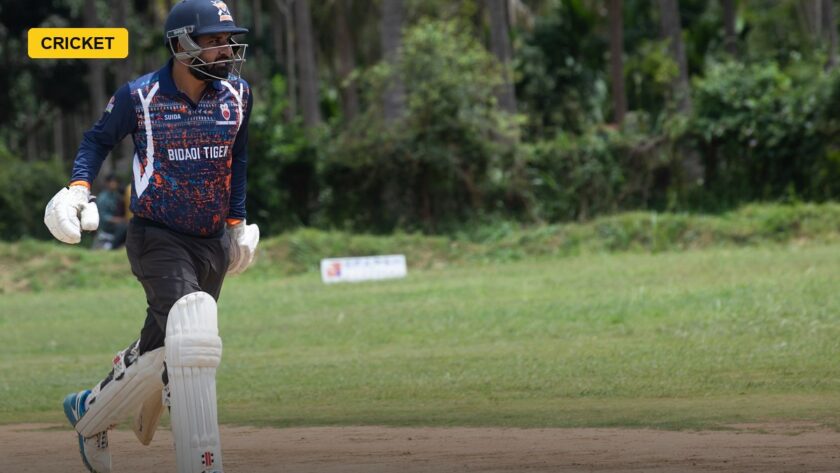
Round one of the 2026-27 Ranji Trophy ran from October 11-14 across India’s 32-team domestic structure, with Uttar Pradesh’s Rinku Singh scoring 112 in an innings-and-267-run thrashing of Bihar, while Arunachal Pradesh were deemed to have forfeited their match against Nagaland after a legal dispute within the Arunachal Cricket Association put the team’s participation in doubt. The tournament’s opening round featured 19 matches split across four eight-team Elite groups and a six-team Plate group, with round two beginning October 18.
How the Format Works This Season
The 2026-27 season’s first phase runs through November 5, after which the competition pauses for a mid-season window reserved for limited-overs domestic tournaments before resuming its league stage on January 17, 2027. The final is scheduled for February 27, giving the competition a structure that spans roughly five months when accounting for the scheduling break, a format the BCCI has used in recent seasons to balance red-ball development cricket against the domestic T20 and List A calendar.
Standout Performances From Round One
Beyond Rinku Singh’s century for Uttar Pradesh, which came alongside seven wickets from teammate Karan Sharma in the same innings-and-267-run win, Baroda’s Mahesh Pithiya took 5-58 in an innings-and-135-run victory over Goa. Several current India Test regulars featured in round one, including KL Rahul, Ravindra Jadeja, and Yashasvi Jaiswal, giving the opening round of the domestic season an unusually high-profile cast even by Ranji Trophy standards, where contracted international players’ participation varies season to season based on national team commitments.
A Disrupted Fixture in the Northeast
Arunachal Pradesh’s forfeiture against Nagaland stemmed from an internal legal dispute within the Arunachal Cricket Association that left the state team’s eligibility or organizational standing in question heading into the match. Forfeitures of this kind remain rare in the Ranji Trophy but have occurred periodically in recent seasons involving some of the competition’s smaller or more administratively unstable state associations, highlighting a persistent gap in institutional stability between India’s larger cricket boards and newer or smaller state bodies.
Results Across the Groups
Elsewhere in round one, Bengal beat Delhi by nine wickets, Gujarat beat Odisha by 10 wickets, Mumbai thrashed Chandigarh by an innings and 155 runs, and Haryana beat Himachal Pradesh by seven wickets, results that suggest an opening round tilted heavily toward dominant performances by stronger sides rather than close contests. Notably, defending champion Jammu and Kashmir’s match against Madhya Pradesh ended in a draw, denying the reigning champions an outright win to open their title defense.
What It Means for the Rest of the Season
Early-season results in a long, multi-phase competition like the Ranji Trophy carry only limited predictive weight for the eventual knockout stages, but round one’s lopsided results, several innings victories and a forfeiture, offer selectors an early look at form heading into India’s broader domestic calendar. With several India regulars using the competition to sharpen red-ball form outside the international calendar, performances like Rinku Singh’s century will draw outsized attention relative to a typical round-one domestic fixture.
What’s Next
Round two begins October 18, and the tournament’s administrators will likely face continued questions over the Arunachal Pradesh situation as the dispute within its cricket association plays out alongside the ongoing competition. With the first phase running to November 5 before the mid-season break, teams have several more rounds to establish positioning within their groups ahead of the league stage resuming in January.
Photo: Anil Sharma / PEXELS via Pexels