
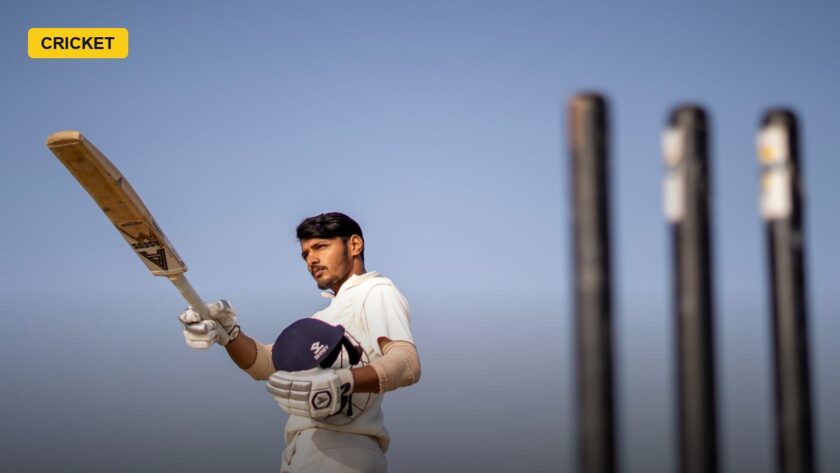
Virat Kohli became only the second batter in history, after Sachin Tendulkar, to reach 15,000 runs in One Day Internationals during India’s three-match ODI series against West Indies, which India won 2-1 after a final-match defeat at New Chandigarh on October 3, 2026. The milestone arrived in a series in which both Kohli and captain-in-waiting Rohit Sharma produced some of their most assured form of the year. Kohli finished the series with 168 runs from three innings at an average of 56, his standout contribution an unbeaten 139 off 88 balls in the series opener that set the tone for India’s campaign. The exact match in which he crossed the 15,000-run mark was not specified in the reporting that confirmed the milestone, but the achievement places him in rarefied company; Tendulkar remains the only other man to have reached the mark in the format’s history, underlining how unusual such longevity and consistency at the top level has become in the modern ODI calendar.
Rohit Sharma’s Parallel Form
Rohit matched his long-time batting partner for impact, finishing with 225 runs across the three innings at an average of 75. His series included scores of 32, 101 off 75 balls, and 92, with the century in the second match proving decisive in India wrapping up the series before the dead-rubber defeat in the finale. The pair’s returns will renew scrutiny of their continuing place in India’s ODI planning, even as questions persist in Indian cricket circles about how long both veterans will remain focal points of the white-ball setup.
How the Series Unfolded
India won the first two matches of the series comfortably before West Indies secured a consolation victory by five wickets in the third and final ODI at New Chandigarh. The result meant India closed out the series 2-1, a margin that reflected India’s dominance for the bulk of the three matches rather than a genuinely contested series, even if the final scoreline suggests otherwise.
The Debate Over India’s Veteran Core
The series has sharpened an ongoing debate in Indian cricket. One camp points to the sheer weight of the numbers, two of the format’s greatest-ever players posting a combined 393 runs in three innings, as evidence that there remains no urgency to move past India’s most experienced batters in ODI cricket. The other view, held by some selectors and former players, is that India’s bench needs regular exposure in winning conditions if the squad is to be fully prepared for the next ODI World Cup cycle, and that individual milestones, however historic, should not delay succession planning in a format where India has not always transitioned smoothly between generations.
What Comes Next for India
Attention now turns to New Zealand, where India will play a five-match T20I series starting October 22, followed by a five-match ODI series running into November. The ODI leg opens at Eden Park in Auckland on November 4, before matches in Wellington on November 7, Hamilton on November 10, and a double-header finish in Mount Maunganui on November 13 and 15. The squads for both legs of the tour had not been finalized at the time of writing, leaving open the question of whether Kohli and Rohit will carry their current form directly into the New Zealand series or be given a period of rest after a congested run of fixtures.
A Milestone in Context
Whatever selection calls follow, the 15,000-run landmark cements Kohli’s position in ODI cricket’s historical record, arriving in a format he has publicly prioritized even as his workload in the other two formats has reduced in recent seasons. For a team still negotiating the balance between its most decorated generation and the players meant to succeed them, the West Indies series offered both reassurance and a reminder of how difficult that transition remains to time well. The coming New Zealand assignment, on pitches that have traditionally tested visiting batters, will offer the next real test of how that balance holds up away from home.
The Weight of Comparisons to Tendulkar
Every milestone Kohli reaches invites comparison to Tendulkar, the player against whose numbers nearly every modern Indian batter is measured, and reaching 15,000 ODI runs adds another data point to a career-long conversation about where Kohli ultimately sits in the format’s history. For India’s selectors and coaching staff, though, the more immediate value of the series may simply be the evidence that two of the squad’s most experienced players remain capable of carrying an innings on demand, something that will matter as much in New Zealand’s seam-friendly conditions as it did at home against West Indies.
Photo: Yogendra Singh / PEXELS via Pexels