
India’s 2026-27 domestic season moved into its headline event on October 11 when the Ranji Trophy began its first phase, a two-part format the BCCI introduced this year that splits the tournament into an Elite group running into early 2027 and a separate Plate division for lower-ranked teams. The restructuring followed a domestic calendar that opened in August with the Duleep Trophy, giving India’s first-class players a longer, more staggered season than in previous years.
A Season Built in Two Phases
Under the new format, the Elite phase runs from October 11, 2026 through March 3, 2027, while the Plate group’s group-stage matches run from October 11 to January 28, with knockout fixtures for both divisions scheduled between February 9 and March 3. The opening round alone featured 19 matches, 16 in the Elite division and three in the Plate group, giving the tournament an unusually broad footprint right from its first week.
India’s Test Regulars Return to First-Class Cricket
What set round one apart from a typical domestic opener was the number of current India Test players turning out for their state sides. Ravindra Jadeja was among the national team regulars named in squads for the opening round, a reminder that the Ranji Trophy remains the proving ground India’s selectors watch closely even for players with an established international pedigree, whether they are managing form, fitness or simply keeping sharp between international assignments. Several other contracted India players featured across the Elite group’s opening fixtures as well, continuing a pattern the BCCI has encouraged in recent years of tying central contracts to a minimum level of domestic first-class participation rather than letting centrally contracted players skip the Ranji season entirely.
Jammu and Kashmir Defend Their Crown
Jammu and Kashmir enter the new season as defending champions after winning the 2025-26 title, a breakthrough triumph built in part on a five-wicket haul from Auqib Nabi in the final against Karnataka. Their title defense begins with the extra scrutiny that comes from being a first-time champion, as opponents across the Elite group look to take down a side that arrived at the top of Indian domestic cricket from outside the sport’s traditional powerhouse states. Their success last season was widely credited to a disciplined bowling unit built around local talent rather than a squad stacked with high-profile recruits, a model several other mid-tier Ranji sides are now openly trying to replicate as they build their own squads for the new campaign.
Broadcast Reach Signals Growing Interest
The BCCI has also expanded broadcast coverage for the new season, with select fixtures airing on television and a wider slate streamed through the Jio Hotstar app, a sign that domestic cricket’s audience in India continues to grow even as franchise T20 leagues dominate the broader cricket media landscape. Matches such as the Jammu and Kashmir versus Madhya Pradesh clash in round one were specifically flagged for broadcast, underlining how the board is positioning marquee domestic fixtures for a national audience rather than treating them purely as a selection pipeline.
Why the Format Change Matters
Splitting the competition into two phases gives the BCCI more flexibility to schedule matches around India’s increasingly congested international calendar, which this season includes tours of New Zealand and a packed white-ball program. By running the group stage of both divisions concurrently through the back half of 2026 before pausing for international commitments and resuming knockouts in February, the board can better protect release windows for contracted players while still giving every team a full round-robin schedule before the business end of the season begins.
What to Watch as the Season Develops
With the Elite group’s round-robin phase running well into the new year, selectors will be watching closely for standout red-ball performances heading into India’s next home Test assignments, while the Plate group’s three new entrants into round one will be looking to use the extended format to push for promotion. The tournament’s slower, two-phase build means the real selection pressure will likely build gradually rather than peak in a single opening month, giving fringe players a longer runway to force their way into national contention before the knockout rounds begin in February. That extended runway also gives state associations more room to manage pitch preparation and ground allocation across a longer window, an operational detail that matters in a tournament spread across dozens of venues with widely varying facilities and historically uneven playing surfaces.
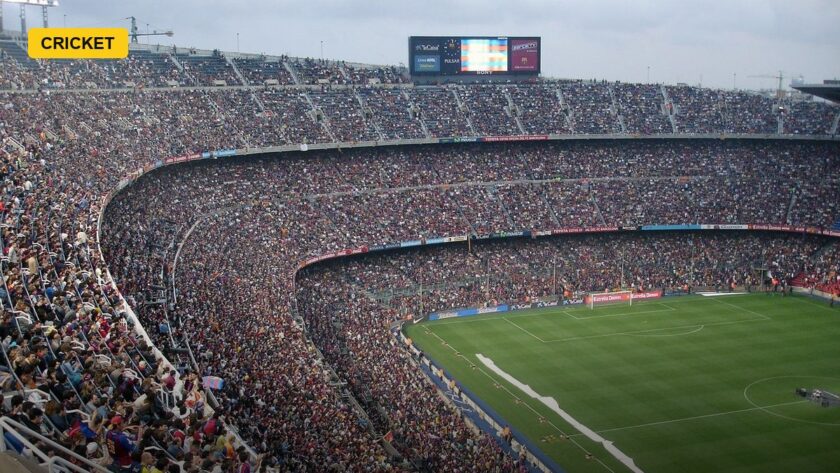
Photo: WikiImages / PIXABAY via Pixabay