
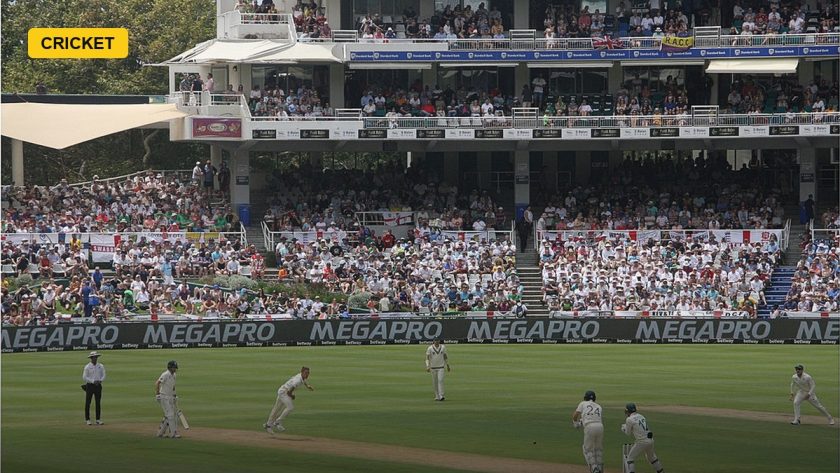
Babar Azam walked back out as Pakistan’s Test captain on Saturday, July 25, 2026, for the first time in nearly three years, leading his side onto a ground that had never before hosted a five-day match. The venue, the Brian Lara Cricket Academy in Tarouba, Trinidad, became the 126th ground in the world to stage Test cricket when the opening match of Pakistan’s two-Test tour of the West Indies got underway, giving an already loaded storyline in Pakistani cricket an extra layer of occasion.
A Captaincy Comes Full Circle
Babar’s reinstatement marks his third stint in charge of Pakistan’s Test side. He first took the job in 2019 and held it until stepping down in late 2023 following Pakistan’s disappointing campaign at the ICC Men’s Cricket World Cup, a run in which he managed ten wins from twenty matches. Shan Masood then took over in December 2023, but his tenure unraveled badly: Pakistan lost 12 of 16 Tests under his captaincy, including a heavy home series defeat to Bangladesh that dropped the team to the bottom of the World Test Championship standings. The Pakistan Cricket Board moved to sack Masood as captain and hand the armband back to Babar for the tours of the West Indies and England, though Masood himself remains in the 15-man squad as a batter.
A Batter Under Pressure Too
The captaincy change is not just about tactics and team meetings. Babar’s own batting form has suffered through the Masood era, with an average of just 27.26 in that period and no Test century since 2022. The Pakistan Cricket Board’s rationale, according to reporting on the appointment, is that restoring the leadership role might help settle Babar rather than add further weight to his game, a gamble given how form slumps and captaincy burdens have intertwined for top-order batters before.
Historic Setting in Tarouba
The Brian Lara Cricket Academy, completed and inaugurated in 2017 with a capacity of roughly 15,000, had already hosted one-day internationals and T20 World Cup fixtures but never a Test match until this fixture against Pakistan. Cricket West Indies secured full International Cricket Council accreditation for the ground ahead of the series, and local officials in Trinidad and Tobago hailed the milestone as a significant moment for cricket infrastructure on the island, expanding the pool of Caribbean venues capable of hosting the game’s longest format beyond the traditional hosts in Antigua, Barbados, Guyana and Jamaica.
Rain, Resistance and a Rebuilding West Indies Side
Play across the opening two days was repeatedly disrupted by rain, forcing players off the field on multiple occasions and limiting the overs available for both sides to press for an advantage. Despite the interruptions, Shan Masood built a fluent innings, reaching an unbeaten 86 in the middle order, while Babar Azam was still finding his rhythm at the crease, unbeaten on 23 as the match moved into its third day. Left-arm spinner Ali Usman made his Test debut for Pakistan in the match, adding to a squad that PCB selectors reshaped for both this series and the subsequent tour of England. For West Indies, a young side entered the series as slight favourites on home turf, having recently taken series against New Zealand and other touring sides in white-ball cricket, but the hosts know a Test match win over a Pakistan side desperate to arrest its slide would carry outsized significance for a squad still rebuilding its red-ball identity after years of inconsistent results.
Two Views on What Comes Next
Pakistani commentators and former players are split on the wisdom of recycling Babar into the captaincy rather than blooding a younger leader for the long term, with some arguing the move risks repeating the same fatigue that drove him out of the job in 2023, while others contend that stability and a proven leader are exactly what a demoralized dressing room needs heading into a testing away assignment followed by a tour of England. West Indies’ camp, meanwhile, has framed the historic Tarouba Test as an opportunity to show that its development pathway, including new venues and a settled core of players, is starting to pay dividends against one of the sport’s traditional heavyweights.
What It Means Going Forward
The result of this two-Test series, with the second match scheduled for August 2 to 6 at Queen’s Park Oval, will shape the narrative around Babar’s second stint at the helm before Pakistan travels on to England later in the tour. A strong showing in the Caribbean would validate the Pakistan Cricket Board’s bet on continuity at the top, while further defeats would intensify scrutiny not just on Babar but on a selection and structural overhaul that has already cost Masood the captaincy once. For West Indies and for Tarouba itself, simply staging a competitive, well-attended Test match may be enough of a marker of progress, regardless of the final result, as Caribbean cricket continues to search for consistent momentum in the five-day format.