
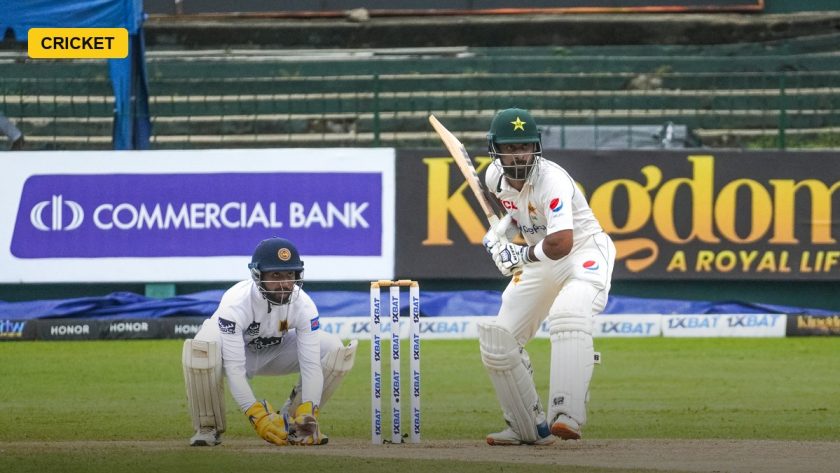
Pakistan produced their best overseas Test performance in recent memory to beat West Indies by eight wickets in Port of Spain, levelling the two-match series 1-1 and continuing an increasingly familiar pattern between these two sides: this was the third successive series between Pakistan and West Indies to finish level. Abdullah Shafique was named Player of the Match for a composed batting display, while Babar Azam capped an outstanding series with the Player of the Series award, underlining his continued importance to Pakistan’s batting order across conditions that are traditionally difficult for touring Asian sides.
How the Match Unfolded
According to ESPNcricinfo’s match report, West Indies were bowled out for 344 in their first innings before Pakistan’s spinners and disciplined seam bowling restricted the hosts to just 117 in the second, setting up a modest chase. Pakistan had posted 387 in their first innings, built around contributions through the middle order, and needed only 77 for the loss of two wickets to complete the chase and seal an 8-wicket win. The margin reflected total control in the second half of the match, a marked contrast to the tone of the series opener.
A Series That Swung Both Ways
The result offset a heavy defeat in the first Test at Tarouba, where West Indies won by 90 runs after posting 311 and 181 against Pakistan’s 282 and 120. That defeat had raised familiar questions about Pakistan’s fragility in unfamiliar conditions and their historical struggles in the Caribbean, making the turnaround in Port of Spain all the more significant. Cricinfo’s report on the decisive Test credited Shafique and the spin attack with giving Pakistan a rare overseas win, a phrase that speaks to how uncommon such results have been for the touring side in the West Indies over the years.
Shafique’s Rise and Babar’s Consistency
Shafique’s Player of the Match award continues a productive stretch for the young opener, who has increasingly looked like Pakistan’s most reliable starter at the top of the order in testing overseas conditions. His innings provided the platform that allowed Pakistan’s middle order to build a match-winning total in the second Test. Babar Azam’s Player of the Series recognition, meanwhile, reflects a series in which the former captain, now playing under a different leadership structure, continued to churn out runs, reasserting his class after a period in which his place in Pakistan’s XI had occasionally been debated by former players and commentators.
The Weight of a Repeating Pattern
The fact that this is the third consecutive drawn series between the two nations has become something of a talking point in itself. Some observers see it as evidence of two evenly matched sides trading blows in tightly fought conditions; others argue it reflects a broader stagnation for West Indies Test cricket, a team that has struggled institutionally in recent years even as individual performances, like their first-Test win, show flashes of quality. For Pakistan, the challenge is converting these overseas series draws into outright wins, something that has eluded them against most opponents outside home conditions.
Broader Context for Both Boards
The series arrives at a time when West Indies cricket continues to navigate financial and structural challenges, while Pakistan’s team is trying to build overseas credibility ahead of a bigger challenge: a three-Test tour of England starting later in August. A series win, or even a strong overseas showing, would have offered greater momentum heading into that assignment, making the drawn outcome a mixed result for Pakistan’s touring party despite the psychological lift of a genuine comeback win in the second Test.
What’s Next
Both sides now turn to different assignments. Pakistan will fly on to England for a three-Test series beginning August 19 at Headingley, where they will face a home side also in transition after several squad changes of its own. West Indies, meanwhile, will look to build on the character shown in the first Test as they continue trying to arrest a longer-term decline in Test match fortunes. For Shafique and Babar, the series serves as a valuable confidence boost ahead of a testing English summer, while for West Indies, the split result offers modest reassurance without papering over deeper structural questions about consistency at the highest level.