
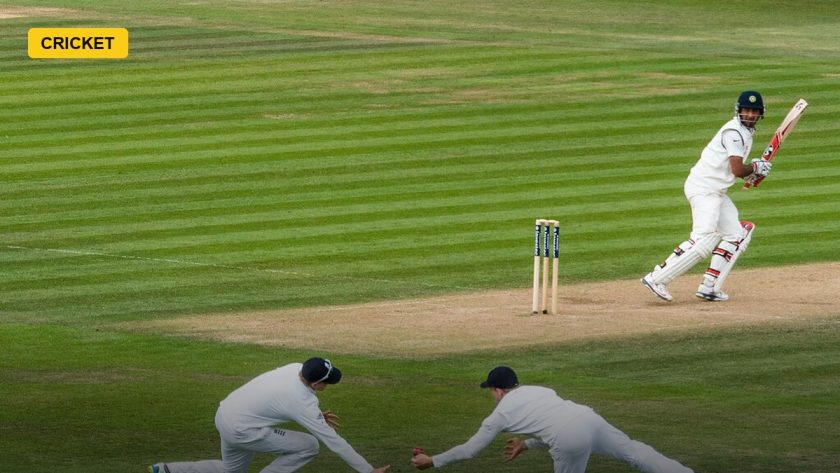
Joe Root has been reappointed England’s Test captain, taking back the armband four years after he stepped away from the role, as the England and Wales Cricket Board reshapes its leadership following Ben Stokes’ international retirement. Root arrives with former New Zealand captain Stephen Fleming installed as head coach, replacing Brendon McCullum and closing the book on the Bazball-era pairing that defined English red-ball cricket since 2022.
A Second Act at the Helm
Root, 35, previously captained England 65 times between 2017 and 2022, a record for the role, before handing over to Stokes amid a run of poor results. Now he returns to a team facing its own transitional pressures, with Stokes gone and the batting group needing fresh direction. Root has acknowledged the weight of the job, noting that his average dipped by nearly seven runs below his career mark of 53.34 during his first stint as captain — a reminder of how demanding the dual role of batter and leader can be.
Fleming’s Arrival Signals a Shift in Tone
Stephen Fleming, one of the most respected coaching figures in the sport after a long IPL coaching career with Chennai Super Kings, brings a notably different profile from the homegrown, attack-at-all-costs ethos McCullum championed. His appointment suggests the ECB is looking for a more measured, tactically flexible approach to complement Root’s leadership, even as Root insists he does not want to “completely rip everything up” from the Bazball blueprint that reinvigorated England’s Test cricket after years of dour batting.
Mixed Reception From Former Players
Not everyone has welcomed the decision. Former England batter Mark Butcher publicly called Root’s reappointment a “retrograde step,” arguing that recycling a captain who had already had one lengthy, difficult stint risks stalling the generational shift English cricket needs. Others within the game see it differently, pointing to Root’s vast experience, his standing in the dressing room, and his continued excellence with the bat as reasons he remains the best available leader.
The Brook Question Lingers
The decision to bypass Harry Brook, England’s white-ball captain who has overseen a run to the world number one T20I ranking, has added an extra layer of debate. Even Stokes himself questioned why Brook wasn’t given the Test job, while Sam Curran has backed Brook’s long-term Test captaincy potential. For now, the ECB has opted for continuity and experience over a bolder generational bet, leaving open the possibility that Brook could inherit the Test captaincy at a later stage.
Root’s Approach and Immediate Challenges
Root has said his leadership style will be “different” from his first tenure, shaped by lessons learned and by watching Stokes operate with a more instinctive, high-risk approach. He inherits a team still searching for post-Stokes identity, with several established Bazball-era batters needing runs and an attack that must adapt to Fleming’s tactical instincts. Root has been explicit that his priority is stability without regression into the pre-2022 conservatism that made England one of the most defensive-minded Test sides in the world.
What Lies Ahead
Root and Fleming’s first major assignment together will be closely scrutinized, both for results and for signs of how much the team’s identity shifts under new management. With Pakistan touring England for a three-Test series beginning August 19 at Headingley, Root will have an early opportunity to show what his second captaincy stint looks like in practice — and whether the show of faith from the ECB, controversial as it was in some quarters, pays dividends on the field.