
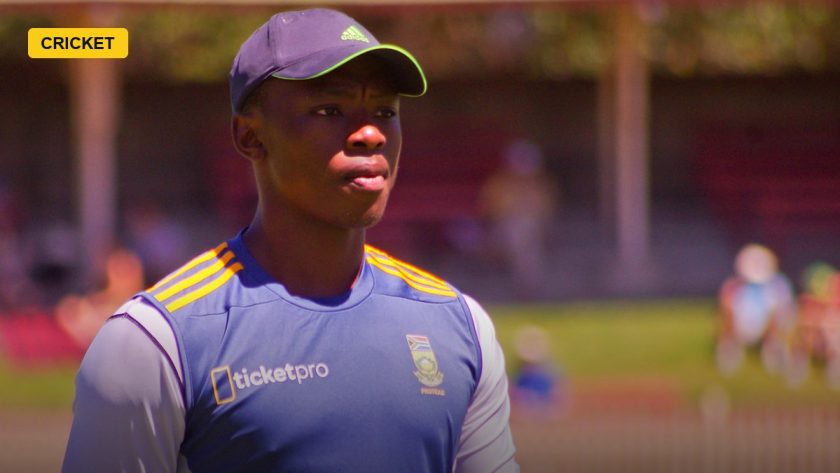
South Africa’s build-up to hosting Australia for a three-Test series in October is being shadowed by an old, familiar concern: the fitness of Kagiso Rabada. Cricket South Africa’s medical staff have flagged that the fast bowler has not always been cleared for red-ball duty in the lead-up window, a recurring pattern that has defined stretches of his career over the past two years and complicates South Africa’s planning for what is arguably the most important home series of the current World Test Championship cycle. CSA’s high-performance team has scheduled additional bowling load assessments in the coming weeks specifically to determine whether Rabada can be built up gradually to a full workload by the time the squad assembles in Durban.
A Pace Attack Built Around One Player
Rabada remains South Africa’s most potent new-ball weapon, and his availability, or lack of it, has repeatedly reshaped South African team plans in recent seasons. He headed a six-pace attack named for the 2025 WTC final against Australia at Lord’s after returning from a suspension for testing positive for a banned substance, a saga that cost him a month on the sidelines the previous year. That the same player is now again central to fitness uncertainty ahead of another high-stakes Australia series underlines how much South Africa’s fortunes are tied to a single bowler’s body holding up. Rabada has previously spoken candidly about the difficulty of managing his own expectations during recovery periods, acknowledging in past interviews that returning too early has occasionally set back his rehabilitation rather than accelerating it.
What South Africa Are Actually Missing Without Him
When Rabada was unavailable for South Africa’s Test series against Sri Lanka, medical staff confirmed he had not been cleared to travel alongside fellow paceman Dwaine Pretorius, forcing the Proteas to lean on a less experienced attack. The dropoff without Rabada is not merely statistical; his ability to extract bounce and swing on responsive South African surfaces gives captains tactical options that South Africa’s other seamers do not consistently replicate.
The Timing Could Not Be More Significant
South Africa are set to host Australia for three Tests in Durban, Gqeberha and Cape Town in October, marking the Proteas’ first home Test series in close to two years and a rare opportunity to test themselves against the WTC’s dominant side on home turf. With South Africa sitting second in the WTC standings and Australia comfortably first, a strong series would be South Africa’s clearest chance yet to close the gap at the top of the table, making Rabada’s fitness far more than a routine team-news item. Proteas captain Temba Bavuma has spoken publicly about building the squad’s bowling plans around the assumption that Rabada will be available, while also acknowledging the need for a credible contingency if the paceman is again ruled out closer to the first Test.
Two Camps on How to Manage Him
South African team management has faced criticism from some quarters for rotating Rabada in and out of white-ball squads, including a T20 World Cup recall, while simultaneously needing him fit for red-ball cricket, with critics arguing the workload management has been inconsistent. Others within the setup have defended the approach, pointing out that Rabada’s value across formats makes some risk unavoidable and that resting him entirely from white-ball cricket would carry its own selection and revenue costs for CSA. The tension mirrors a challenge facing several boards worldwide, where the financial incentives of white-ball tournaments and the strategic value of Test match fitness increasingly pull star players in different directions.
What to Watch Before October
South Africa’s medical and selection staff face a narrowing window to have Rabada fully match-fit before the Australia series, with domestic first-class matches likely to serve as the key fitness test in the coming weeks. If he takes the field in Durban in October, South Africa’s pace attack instantly becomes a genuine threat to an Australian batting lineup that has dominated most opponents this cycle; if he does not, the Proteas’ hopes of closing the gap on the WTC table will rest on a significantly less experienced bowling unit. South African selectors are expected to name a preliminary squad for the Durban Test within the next month, a decision that will offer the clearest public signal yet of how confident CSA’s medical team is in Rabada’s readiness.