
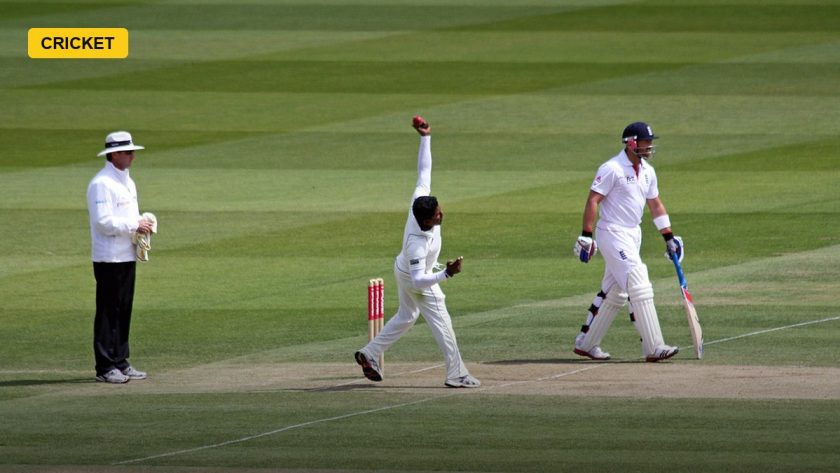
India’s Test team walked back into Galle International Stadium on August 15 for the first time in nine years, opening a two-match series against Sri Lanka with more at stake than a simple return fixture. Both sides arrived with something to prove in the current World Test Championship cycle: India sit fifth in the standings on 52 points, Sri Lanka sixth on 20, and a home ground that has swallowed touring batting orders for two decades sat waiting in between them.
A fortress with a track record
Galle’s reputation precedes it. Sri Lanka have won 27 of the 49 Tests played at the venue, a win rate built almost entirely on surfaces that begin turning from the first morning and only get more difficult as a match wears on. For touring sides, the ground has long represented less a cricket pitch than an examination of technique against high-class spin in conditions that offer bowlers assistance most Test venues reserve for day four or five. India’s history there is mixed enough that a nine-year gap between visits has done little to soften the challenge.
Gill’s squad, and who is missing
Shubman Gill led the touring party after being passed fit following a finger injury that had kept him out of part of India’s warm-up fixture — a scare significant enough that team management confirmed his availability publicly before the toss. His squad, however, carries notable absences: Jasprit Bumrah, Washington Sundar and Sai Sudharsan are all out through injury, stripping India of a frontline seamer and a spin-bowling all-rounder in conditions where both skill sets matter. In their place, India handed maiden call-ups to spinner Saransh Jain and fast bowler Auqib Nabi, the latter arriving on the back of 60 wickets in a single domestic season — the kind of volume that gets a young quick noticed regardless of the level of competition.
Jadeja leads, but the attack is unproven
With the personnel gaps enforced by injury, veteran Ravindra Jadeja was handed clear responsibility for anchoring India’s spin attack, flanked by Kuldeep Yadav and uncapped left-armer Manav Suthar. It is an attack built around one established match-winner and several bowlers with something to establish, a contrast to the depth India has fielded in home conditions in recent years. Sri Lanka, for their part, have not been spared their own selection headaches: captain Dhananjaya de Silva’s side made several changes because of injuries to key middle-order batters, leaving both teams walking out with line-ups shaped as much by fitness bulletins as by form.
Why the result matters beyond the series
Every match in the current World Test Championship cycle carries direct weight toward qualification for the 2027 final at The Oval, and with Australia well clear at the top of the table, the contest for the remaining qualification places is tightening among the chasing group. A points swing at Galle would matter more to Sri Lanka’s provisional home advantage than to India’s overall standing, but for a touring side missing its first-choice pace spearhead, banking points on a ground that has historically punished visitors would be a statement result in its own right.
The road ahead
Beyond the immediate table implications, the series functions as an audition. Auqib Nabi and Saransh Jain are being assessed not just for this tour but for a squad that will need depth across formats as India manage workloads for senior bowlers over an increasingly congested calendar leading into 2027. A callup earned through Galle’s unforgiving conditions carries more credibility than one earned on a flat, seam-friendly home track — and for a team navigating the post-Rohit-Kohli ODI transition alongside a shifting Test core, every data point from Sri Lanka will feed into selection conversations that stretch well past this fortnight.