
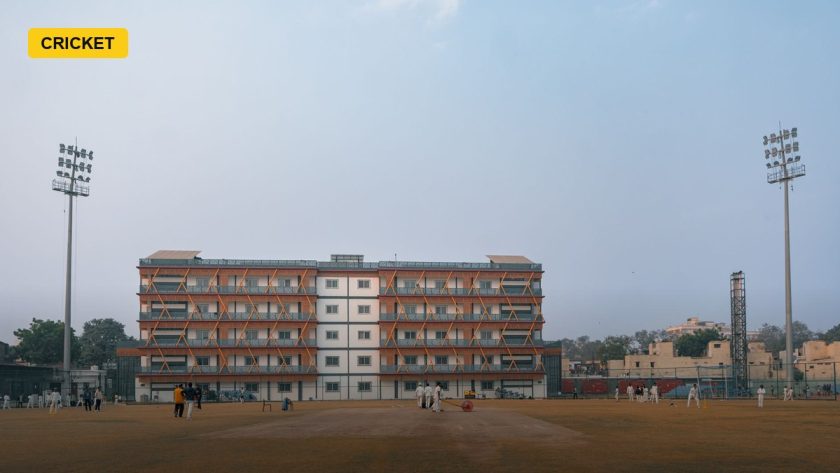
India kicked off their three-match T20I series against Afghanistan in emphatic fashion on September 13, 2026, chasing down a target of 157 at the Arun Jaitley Stadium in Delhi with 38 balls to spare. The headline act was opener Abhishek Sharma, who blazed to 82 off just 32 deliveries, tearing into the Afghan new-ball attack and setting the tone for a seven-wicket win that never looked in doubt once he got going.
How The Chase Unfolded
Afghanistan had posted 156 for 8 after being sent in, a total that looked competitive on a used Delhi surface but was rendered academic inside the powerplay. Abhishek Sharma took the attack to Fazalhaq Farooqi and Naveen-ul-Haq from the first over, mixing audacious slog-sweeps with clean straight hits over long-on. He brought up his fifty off just 19 balls, one of the fastest in India’s recent T20I history at home, before finally holing out in the 14th over with India needing only a handful of runs. By then the game was effectively over, and India cantered home in 13.4 overs.
Supporting Contributions
While Abhishek dominated the headlines, the chase was built on a platform that also featured useful support from the middle order once he departed, ensuring there was no late wobble despite the required rate having long since become irrelevant. On the bowling side, India’s attack led by the pace pairing had earlier restricted Afghanistan to a below-par total, with regular wickets falling through the middle overs against a disciplined line of yorkers and slower balls that Afghanistan’s middle order struggled to counter on a two-paced pitch.
Series And Selection Context
The series carries added significance because it doubles as a dress rehearsal ahead of the Asian Games in Japan later this month, where India’s T20 squad, captained by Shreyas Iyer, will be assembled largely from the same pool of players. Several fringe names were given opportunities in this Afghanistan series specifically to assess form and combinations before the Asian Games squad, which already includes uncapped 15-year-old prodigy Vaibhav Sooryavanshi, departs for Aichi-Nagoya. Afghanistan, for their part, arrived in India under new T20I leadership after a selection shake-up following their below-par showing at the T20 World Cup earlier in the year, and this tour was seen by their think tank as an opportunity to test a rebuilding batting order against elite spin and pace in unfamiliar conditions.
Contrasting Perspectives
From the Indian camp, the emphasis afterward was on the value of top-order fearlessness translating into control of the innings from ball one, with the team management pointing to Abhishek’s strike rate as exactly the template they want at the top of T20 batting orders heading into a busy 12 months of white-ball cricket. Afghanistan’s coaching staff, by contrast, were more circumspect, acknowledging that the total was competitive on paper but that their much-changed bowling attack, missing some of the experience that had featured in previous series, was always going to be tested against a batter in the kind of form Abhishek Sharma is currently showing. There was also quiet frustration in the Afghan dressing room at fielding lapses in the powerplay that allowed Abhishek to free his arms early, turning a defendable total into a canter for the hosts. Afghan assistant coaches privately acknowledged that their spinners, usually a strength in subcontinental conditions, were targeted specifically once Abhishek reached the mid-30s, with the left-hander using his wrists to clear the infield rather than simply relying on brute power, a nuance that made containment strategies almost impossible to execute in the middle overs.
A Delhi Pitch That Favoured Stroke-Play
Conditions at the Arun Jaitley Stadium played a role too, with a truer surface than some recent Delhi pitches allowing strokemakers on both sides room to free their arms, though it was India’s batters who capitalised far more emphatically. Dew was not a significant factor given the early evening start, meaning Afghanistan’s bowlers could not point to conditions as a mitigating excuse for the manner in which their lines and lengths were dismantled inside the powerplay. Analysts following the series noted that Abhishek’s approach, targeting length deliveries square of the wicket rather than simply going over the top, reflected a maturing method to his aggression compared to earlier in his international career.
The result also fed into a broader narrative about India’s depth at the top of the batting order in T20 cricket, with selectors able to call upon several openers capable of playing in this uninhibited style without sacrificing the platform-building responsibilities the position traditionally demands.
For neutral observers, the manner of the win reinforced why India remain one of the format’s most feared batting units heading into a year that will feature the Asian Games and a heavy block of bilateral white-ball cricket.
Broadcasters and pundits were similarly effusive about the innings, describing Abhishek’s strike rate as a template for the kind of fearless batting India’s selectors have been actively encouraging across age-group and franchise cricket in recent seasons.
Ultimately, the difference between a defendable total on paper and a comfortable canter in practice, once again, came down to the calibre of the batting India had to face it with.
Photo: Arto Suraj / PEXELS via Pexels