
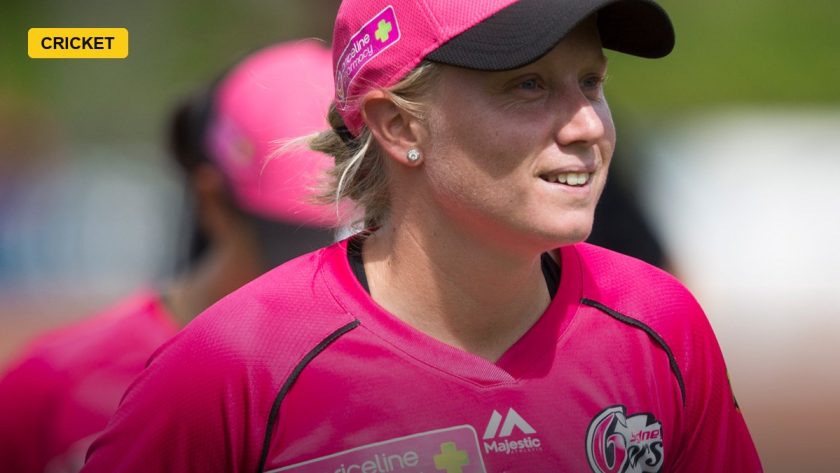
Alyssa Healy, Australia’s white-ball captain and one of the most influential wicketkeeper-batters of her generation, has announced her retirement from all forms of international cricket, closing out a career that spanned more than a decade at the top of the women’s game. The 35-year-old made the announcement on a podcast, citing mental fatigue and a string of recurring injuries as the key factors behind her decision to step away ahead of the T20 World Cup 2026 rather than push through another full cycle. Cricket Australia confirmed the retirement covers all formats immediately, meaning Healy will not feature in any further international fixtures, including the domestic Ashes-style rivalry matches against England that have been a hallmark of her career.
A Career That Reshaped Women’s Cricket
Healy’s rise coincided with the professionalization of women’s cricket in Australia, and her aggressive batting at the top of the order, combined with reliable glovework, became a template for a generation of wicketkeeper-openers who followed her. She captained Australia through a period of sustained dominance in white-ball cricket, and teammates and opponents alike have credited her leadership style, direct and unsentimental, with helping normalize higher scrutiny and higher standards for the women’s international game. Under her captaincy, Australia strung together lengthy unbeaten runs across white-ball formats, results that helped drive broadcast deals and attendance figures to levels unprecedented in the women’s game prior to her tenure.
The Toll Behind the Decision
Healy has spoken previously about managing recurring physical issues, including finger and knee injuries, that required repeated rehabilitation stints over the past several seasons. Her acknowledgment of mental fatigue alongside those physical demands reflects a broader conversation in elite sport about the cumulative toll of near-continuous international commitments across three formats, a workload that has intensified for leading women’s players as the professional game has expanded its calendar. Healy specifically referenced the difficulty of switching between franchise leagues, bilateral series and ICC tournaments with minimal downtime, a scheduling reality she said had become harder to sustain the longer her career went on.
Timing Raises Questions for Cricket Australia
The timing of Healy’s retirement, arriving just ahead of the T20 World Cup rather than after it, has prompted debate among Australian cricket commentators over succession planning at the top of the order and in the captaincy. Some have argued that stepping away before a major tournament, rather than leading the side through one final campaign, reflects the honesty of her stated reasons rather than any lack of commitment, while others have expressed disappointment that Australian fans will not get a farewell tournament from one of the format’s most decorated leaders. Cricket Australia’s own statement praised Healy’s transparency in explaining her reasoning publicly, contrasting it with the more guarded exits of some past players who cited vague personal reasons without further explanation.
Reaction From Teammates and Rivals
Current and former teammates have publicly praised Healy’s impact both on and off the field, pointing to her role in mentoring younger wicketkeeping talent within the Australian system. International rivals have echoed the sentiment, with several opposition captains noting that Healy’s combination of attacking batting and sharp glovework raised the bar for what the role of a modern wicketkeeper-opener could look like in the women’s game. England and New Zealand players who have faced Healy across multiple World Cup cycles described her as one of the most difficult openers to bowl to in the powerplay, given her willingness to attack even the best new-ball bowlers from the first over. Several current international keepers have credited Healy’s aggressive style at the top of the order with directly influencing how they now approach their own batting in the format.
What Comes Next for Australia
Cricket Australia now faces the task of identifying both a new white-ball captain and a long-term solution behind the stumps, decisions that carry added urgency with the T20 World Cup on the horizon. Healy’s retirement closes out a career that helped define an era of Australian dominance in women’s cricket, and her exit leaves a leadership and technical void that selectors will need to address quickly as the team transitions into its next generation without one of its most recognizable figures. Cricket Australia is expected to name an interim captain within weeks, with several current vice-captaincy candidates already being discussed publicly as the board balances continuity against giving a younger leader time to grow into the role before the next major tournament cycle.