
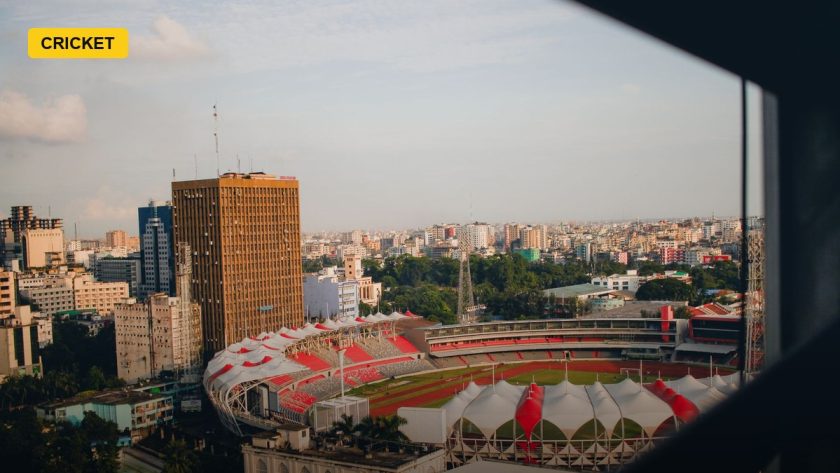
The Bangladesh Cricket Board unveiled a new franchise-based domestic competition on September 29, 2026, branded Domestic 3 or D3, under the motto “Bringing colour back to domestic cricket.” The format folds three separate tournaments — a T20 event, a first-class competition and a List A one-day tournament — under six corporate-owned franchises that have signed three-year agreements with the board, replacing the more fragmented structure of the Bangladesh Cricket League and National Cricket League that had struggled to draw crowds or sponsorship in recent seasons.
Six Franchises, Three Formats, One Season
The six companies that have acquired franchises are Walton, Acme Laboratories, ACE Blue Star, Citizens Bank, Seven Rings Cement and Fortune Group, each paying the BCB approximately BDT 2.5 crore, or roughly US $203,000, per season for the rights. Rather than running as a single standalone tournament, D3 will see the same six teams compete across all three formats in sequence: a T20 tournament opens the season on December 15, 2026, followed by a first-class competition in January 2027 and the one-day tournament in May 2027, giving each franchise a presence across the entire Bangladeshi domestic calendar for the first time.
Icon Players Anchor The New Franchises
To generate early interest, the BCB has designated icon players for at least two of the franchises: all-rounder Mehidy Hasan Miraz will anchor Walton, while veteran batting all-rounder Mosaddek Hossain has been named the icon player for Acme Laboratories. The presence of established national team players at the head of these franchises mirrors the marketing approach used by other franchise boards in the region, where a recognizable icon is used to build a fanbase and sponsor interest around a newly created team identity rather than a traditional regional or club affiliation.
BCB Leadership’s Case For The Overhaul
BCB president Tamim Iqbal, presenting the new structure, said the primary objective was to restore the appeal of domestic cricket in Bangladesh, telling reporters he was confident the new competition would bring meaningful change to a domestic system that had increasingly struggled to hold public and broadcaster attention outside of BPL windows. The board has framed D3 as a direct response to years of complaints from current and former players that domestic cricket in Bangladesh offered too little financial incentive and too little visibility compared with the Bangladesh Premier League, leaving the pipeline between age-group cricket and the national team thinner than administrators wanted.
A Domestic Structure Under Strain
The relaunch comes against the backdrop of a turbulent period for Bangladeshi domestic cricket, which earlier in 2026 saw a cricketers’ boycott of the BPL and public demands for leadership changes at the board, exposing deep frustration among players over pay, scheduling and governance. That unrest forms an important part of the context for D3: by attaching corporate ownership and multi-year financial commitments to domestic cricket for the first time, the BCB is betting that steadier, franchise-backed revenue can address some of the same grievances over player compensation that fueled the boycott, even though D3 sits alongside, rather than replaces, the BPL itself.
Two Perspectives On Whether It Will Work
Board officials and the incoming franchise owners have publicly framed D3 as a long-overdue modernization, arguing that corporate ownership will bring marketing discipline, sponsorship money and fan engagement that a board-run domestic system could never generate on its own, and that spreading franchises across three formats rather than one will keep players and audiences engaged year-round instead of only during a short T20 window. Skeptics within the domestic playing group and some commentators, however, note that Bangladesh has seen previous attempts to rebrand or restructure domestic tournaments falter once initial sponsorship enthusiasm faded, and question whether six brand-new corporate franchises can build genuine local fan bases in the way that regional or club-based teams historically have, especially with only three-year ownership agreements rather than long-term commitments.
What Comes Next
The first real test of the new system arrives on December 15, 2026, when the T20 leg of D3 begins, giving the six new franchises their first opportunity to prove they can draw crowds and broadcast interest away from the established BPL brand. How Mehidy Hasan Miraz, Mosaddek Hossain and the rest of the icon-player cohort perform, and whether the BCB can keep the format running smoothly across three formats without the scheduling clashes that have hit past Bangladeshi domestic seasons, will shape whether D3 becomes a genuine fixture of the calendar or another short-lived experiment in a domestic structure that has cycled through several names and formats over the past decade.
Photo: Soudha J. / PEXELS via Pexels