
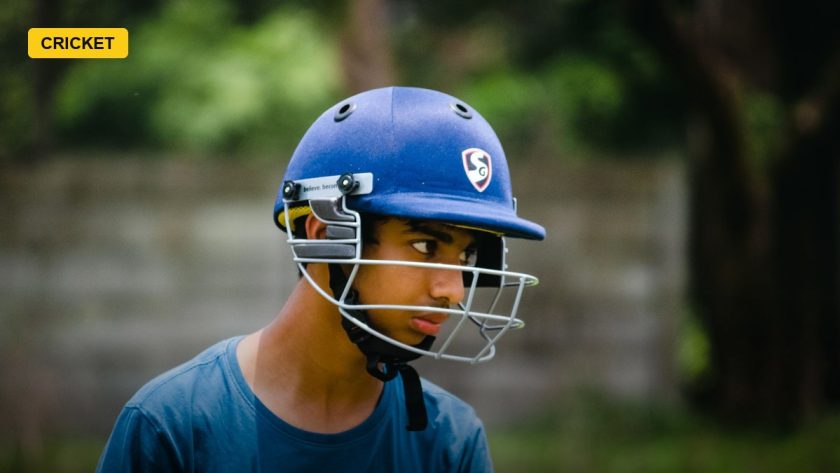
Bangladesh’s sports ministry has said that Shakib Al Hasan, the country’s most decorated all-rounder, will not represent the national cricket team again, after he joined a press event by phone alongside former prime minister Sheikh Hasina from New Delhi. The statement, confirmed in August, marks the clearest signal yet that Shakib’s international career, already in flux for over a year, has effectively ended through political circumstance rather than retirement or selection, closing a chapter that once seemed destined to end on his own terms, on a cricket field, rather than through a government statement issued in the middle of an unrelated political storm.
How the latest controversy unfolded
Shakib’s phone appearance alongside Hasina, who has been living outside Bangladesh since being removed from office amid mass protests, drew immediate political backlash inside the country. The sports ministry’s response, that he would not play for Bangladesh again, went further than previous ambiguity around his international future, effectively closing the door regardless of any future change in form, fitness or selection panel composition, a degree of finality rarely seen applied to a sitting international player anywhere in world cricket.
A career defined on the field, complicated off it
Shakib has long been Bangladesh’s leading all-rounder across formats, and had previously said in December 2025 that he had not fully retired, outlining hopes to play a farewell home series across ODIs, Tests and T20Is before stepping away on his own terms. As recently as March 2026, a newly appointed chief selector had spoken of wanting him back for the longer term with the 2027 World Cup in view, underlining how quickly his position has shifted from valued senior player to persona non grata in the space of only a few months.
Security concerns compound the political fallout
The ministry’s statement came against a backdrop of broader turmoil for Shakib, who is currently based in Sri Lanka and has faced murder investigations in Bangladesh linked to the police crackdown on protesters that preceded Hasina’s removal from power. A reported attack on his family home in Magura added a further security dimension to a situation that had already moved well beyond a simple cricketing selection dispute, leaving his family’s safety, rather than his place in the team, the more pressing concern for those close to him.
Two camps, sharply divided
Shakib’s supporters within Bangladeshi cricket circles argue the national team is losing its most accomplished all-rounder over a political association rather than any cricketing failing, pointing to his continued high standard of performance whenever selected. Critics, including figures within the current government, argue that an active international cricketer publicly aligning himself with a deposed and widely criticised former leader forfeits any claim to represent the country regardless of past achievements, framing the ban as a matter of national loyalty rather than sporting judgement, a dividing line that has split opinion well beyond cricket circles alone, spilling into newspaper editorials and parliamentary commentary far removed from the usual territory of a sports selection dispute. Several former Bangladesh teammates have avoided commenting publicly altogether, wary of being drawn into a dispute that has already consumed considerable political attention, while international observers have noted that few cricketing boards anywhere in the world have taken so explicit and permanent a stance against an active player over an issue unrelated to on-field conduct, doping or corruption.
What it means for Bangladesh cricket
The decision leaves Bangladesh’s selectors needing to build a longer-term all-rounder succession plan without their most capped and most prolific player in that role, at a time when the team is also navigating an uneven World Test Championship cycle and preparing for a two-Test series against West Indies starting October 28. Whether the sports ministry’s position hardens further or eventually softens amid any change in Bangladesh’s domestic political situation remains the single biggest open question hanging over Shakib’s cricketing legacy, one that selectors cannot resolve on cricketing grounds alone. For a player once central to Bangladesh’s rise up the Test and white-ball rankings, the episode underscores how quickly a storied international career can be overtaken by events entirely outside a dressing room’s control, leaving teammates, selectors and fans alike to process an ending none of them had scripted for one of the format’s most complete all-rounders.
Photo: Sandeep Singh / PEXELS via Pexels