
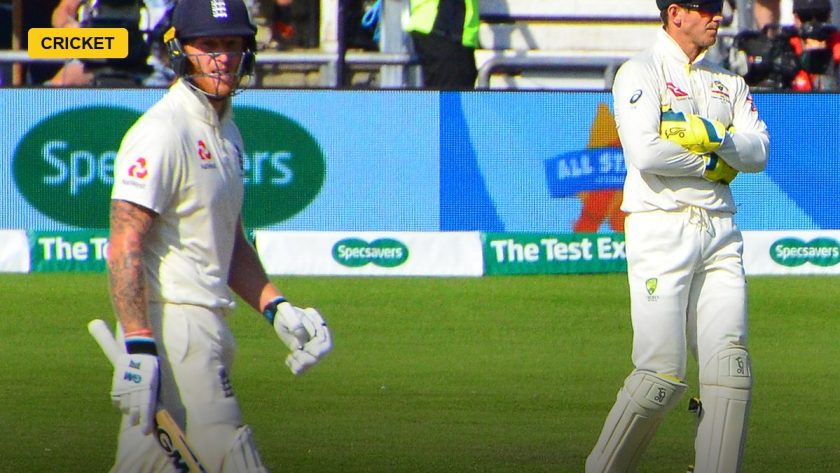
Ben Stokes is heading back to the Big Bash League for the first time in more than a decade, agreeing to a deal with Adelaide Strikers worth an estimated AU$500,000 that makes him the most expensive overseas signing in the competition’s 16-year history. The former England Test and white-ball captain has committed to the Strikers for the entirety of BBL|16, according to ESPNcricinfo, ending years of speculation about whether the veteran allrounder would ever return to Australian domestic cricket.
A Deal Years in the Making
Stokes previously featured in the Big Bash for just four matches with the Melbourne Renegades back in the 2014-15 season, a brief and largely forgettable stint before his career exploded on the international stage. This second act arrives at a very different point in his career: 34 years old, a World Cup winner, an Ashes-winning captain, and now one of the most bankable names T20 franchise cricket can put on a marquee. His reported salary eclipses the previous top platinum band of AU$420,000 that governed the old draft system, according to Yahoo Sports and India TV News.
Why the Numbers Matter
The fee is significant not just for its size but for what it represents structurally. Cricket Australia has scrapped the overseas player draft that governed BBL signings for years, moving instead to a direct-negotiation model that lets clubs bid for whichever international talent they can afford, much like the IPL auction but without the auction room theatrics. Stokes becomes the first overseas player to sign under this new framework, and his deal is being read across Australian cricket media as a test case for how far clubs are willing to stretch their budgets now that the salary ceiling has effectively been removed for star recruits.
Working Under Tim Paine
Adelaide’s pitch to Stokes was helped by the presence of Tim Paine, the former Australia Test captain, who takes charge of the Strikers’ coaching set-up for BBL|16. Paine and Stokes have a long-standing rivalry-turned-mutual-respect dynamic from Ashes cricket, and Strikers officials reportedly leaned on that relationship during negotiations. Local reports suggest Stokes is being lined up for an opening role in the Strikers’ batting order, a change from the middle-order finishing position he has more often occupied in franchise cricket.
The Skeptics’ View
Not everyone is convinced this is unambiguously good news for the league. Some commentators, including voices on Australian sports radio, have warned that removing the draft’s cost controls risks turning the BBL into a bidding war that only the wealthiest ownership groups can win, echoing concerns already raised about The Hundred’s investor-driven overhaul in England. There is also a fitness question mark: Stokes has managed a heavy recent workload between Test cricket, the IPL, and now a full BBL commitment, and his body has broken down under similar loads before, most notably with recurrent knee and hamstring issues.
What the Strikers Are Banking On
For Adelaide, the calculation is straightforward. The Strikers have not always been the BBL’s most consistent side, and a marquee overseas star with genuine drawing power both on the field and at the turnstiles is expected to lift attendance at Adelaide Oval and the club’s home fixtures at Karen Rolton Oval. Broadcast partners are also likely to benefit, with Stokes’ involvement expected to be heavily promoted in the lead-up to BBL|16’s historic opening match, scheduled for Chennai on December 12, 2026, itself a first for the competition as it experiments with staging games outside Australia.
What’s Next
Attention now turns to whether other star overseas names follow Stokes’ lead under the new direct-signing system, and whether Adelaide can build a squad strong enough around him to contend for the title after a middling recent run of BBL seasons. Strikers officials are expected to firm up their remaining overseas slots in the coming weeks, and rival franchises will be watching closely to see whether Stokes’ fee resets expectations for what a genuine international drawcard now costs in Australian franchise cricket. If the experiment works, it could permanently change how the BBL recruits talent; if it backfires financially for a smaller-market club, expect renewed calls for some form of salary cap to return.
A League-Wide Ripple Effect
Beyond Adelaide, agents representing other high-profile internationals are reportedly using the Stokes fee as a new benchmark in their own negotiations with BBL clubs. Franchises that had budgeted conservatively under the old platinum-band ceiling are now being forced to reassess what it will take to land a genuine drawcard, and there is growing chatter that at least two other clubs are in advanced talks with English or South African internationals for similarly front-loaded deals before the overseas signing window closes. Cricket Australia has so far declined to comment on whether it will introduce any form of soft spending guidance to prevent a runaway market, insisting the direct-signing model was designed precisely to let market forces determine value.
The Chennai Factor
Stokes’ arrival also dovetails neatly with the BBL’s push to internationalise its product. The decision to open BBL|16 with a match in Chennai is widely seen as an attempt to tap into the Indian subcontinent’s cricket audience, and having a global name like Stokes on the Strikers’ books gives broadcasters an obvious marketing hook for that historic curtain-raiser. Whether Stokes himself travels for the Chennai leg remains to be confirmed, but Cricket Australia officials have privately indicated his participation would be a significant boost to ticket and broadcast interest for a fixture already carrying considerable symbolic weight for the competition’s global ambitions.