
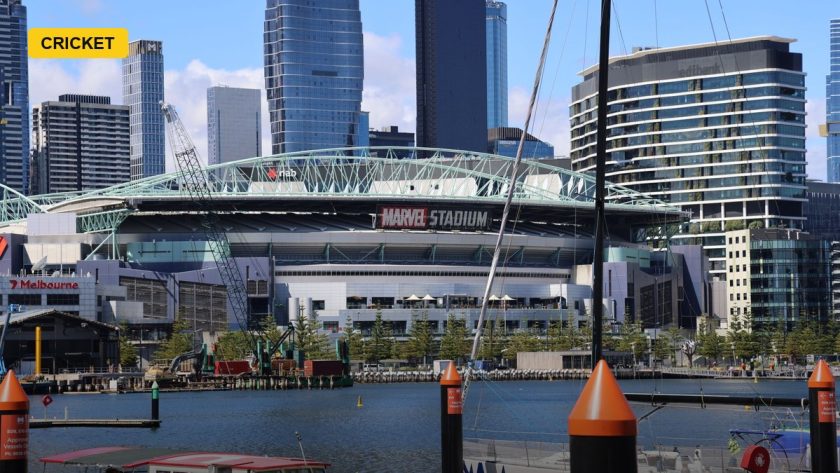
A plan that would have erased one of the Big Bash League’s founding franchises lasted barely two weeks before it collapsed under pressure from the sport’s own players. Cricket Victoria’s attempt to fold the Melbourne Renegades into the Melbourne Stars ahead of BBL|16 has been paused, with both clubs now confirmed to compete under their existing names and licenses in the 2026-27 season.
A Unilateral Move That Blindsided Everyone
The saga began on June 2, 2026, when staff at both Melbourne franchises were informed that Cricket Victoria intended to run a single BBL license from the upcoming season, retiring one of the two brands and selling off the surplus license to a private investor. According to SEN commentator Tom Morris, who broke the story, “Cricket Victoria has decided to run just a single BBL franchise from the upcoming edition of the tournament.” The new entity was to be branded simply “Melbourne,” with a nickname to be settled later, built around the Stars’ existing license infrastructure at the MCG.
The timing raised eyebrows across the sport. Cricket Victoria moved unilaterally, well ahead of any formal vote by Cricket Australia’s state associations on the broader push to privatise Big Bash ownership. That broader privatisation process, which would open BBL franchises to outside investors in a manner similar to what English cricket did with The Hundred, is still working its way through negotiations between Cricket Australia, the states and the players.
Two Clubs, Contrasting Histories
The Renegades and Stars have shared Melbourne since the BBL’s 2011-12 launch but built very different records. The Renegades won the title in 2018-19 and also reached the final in the league’s debut 2012-13 season, while the Stars reached finals in 2015-16 and 2018-19 without ever lifting the trophy. Both franchises carry loyal, if modestly sized, membership bases, and a straight merger would have meant one entire supporter base losing its team’s identity outright.
The Players’ Association Draws a Line
The strongest pushback came from the Australian Cricketers’ Association. Chief executive Paul Marsh issued a blunt statement describing the fallout from Cricket Victoria’s move: “Cricket Victoria’s announcement about a merger between the Stars and Renegades with the introduction of a new, privately owned club has created confusion, uncertainty and anxiety amongst players.” Marsh pointed to the existing memorandum of understanding between Cricket Australia, the state associations and the ACA, which explicitly requires the union’s agreement before any Big Bash franchise can be privatised. Cricket Victoria, in the ACA’s reading, had jumped the queue.
Underlying the dispute is a wider pay fight that has simmered for more than a year. Domestic players have grown increasingly frustrated that some overseas signings are guaranteed higher salaries than homegrown teammates on modest BBL contracts. The ACA is pushing to lift the players’ share of League revenue from 27.5 percent to 30 percent under the next iteration of the MOU, a demand Cricket Australia has so far resisted. A rushed, top-down merger, in the union’s view, risked setting a precedent for franchise restructuring without player input on pay and contract security.
Climbdown and a Temporary Truce
Roughly two weeks after the initial announcement, Cricket Victoria confirmed that both the Stars and the Renegades would after all compete in the 2026-27 BBL and WBBL seasons under their current names. The retreat did not kill the underlying push toward private ownership of Big Bash franchises, which Cricket Australia has continued to explore as leagues elsewhere, from the Hundred’s equity sales to the IPL’s valuations, demonstrate the financial upside of outside capital. It simply meant Victoria could not, on its own timetable, decide the fate of two separately licensed clubs without the ACA and Cricket Australia formally signing off first.
Diverging Views on What Comes Next
Not everyone in Victorian cricket circles saw the pause as a victory. Some administrators argued privately that running two under-resourced, similarly-sized Melbourne clubs makes little commercial sense in a market that can plainly support one dominant, well-capitalised franchise, and that the ACA’s intervention only delays an inevitable consolidation. Player advocates counter that any restructuring of this scale needs proper consultation, transparent valuations for any incoming private owner, and guarantees on where contracted players and staff would land — none of which existed when the initial memo went out. The episode has also revived old debates about whether Melbourne, a two-team market since the BBL’s inception, was ever built to sustain both clubs long term.
What It Means Going Forward
For now, both the Stars and Renegades will field full squads for BBL|16, which begins December 12, 2026, with its historic opening match at Chennai’s M.A. Chidambaram Stadium before returning to Australian soil. But the underlying tension has not gone away. Cricket Australia’s broader privatisation framework is still due for a formal vote among the states, and the ACA’s push on revenue share remains unresolved heading into fresh MOU talks. Whether Melbourne ultimately ends up as a one-team or two-team Big Bash city may simply have been postponed rather than settled, with the next flashpoint likely to arrive once Cricket Australia and the ACA sit down to finalise the next collective agreement.
Photo: Bal Jinder / PEXELS via Pexels