
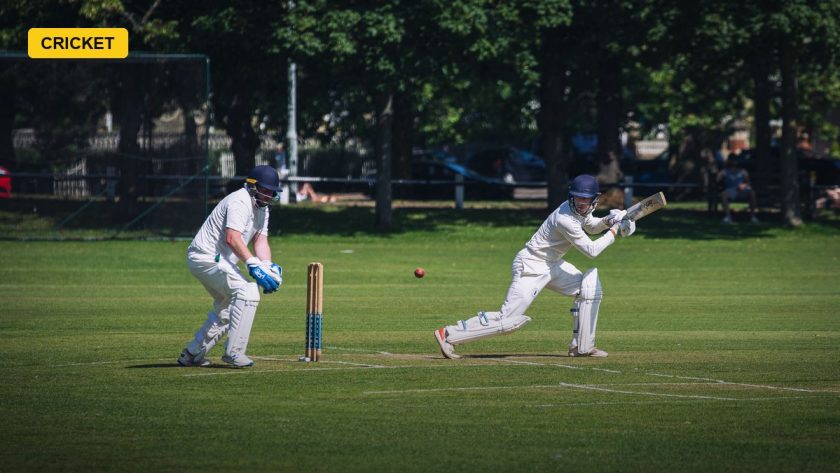
England sealed a 3-0 series sweep of Pakistan in the Rothesay Test series on September 13, 2026, closing out a summer in which the tourists were repeatedly outplayed with the ball but never entirely outfought with the bat. The result, confirmed after the third Test at Edgbaston, extends a difficult run for Pakistan’s Test side away from home and hands England their first Test series win since late 2024.
How the series unfolded
The three-match series ran from August 19 to September 13, 2026, across three grounds, with England’s captain Joe Root and Pakistan’s Babar Azam leading their sides. England took control early and never relinquished it, winning the second Test at Lord’s by 194 runs to go 2-0 up before closing out the whitewash at Edgbaston. Pakistan’s batting order, missing the rhythm and depth of recent home seasons, struggled to build partnerships against a disciplined England attack operating in familiar conditions. The opening Test had already set the tone, with Pakistan’s top order repeatedly losing early wickets to the moving ball and never quite recovering the initiative across the remaining two matches, even when individual batters found form for short stretches.
Saud Shakeel’s lone defiance
Amid the wreckage, Saud Shakeel was the one Pakistan batter who consistently found form, finishing as the tourists’ leading run-scorer with 204 runs in the series, including a defiant 97 at Lord’s as Pakistan tried in vain to save the match. His innings were widely praised as the only sustained resistance Pakistan mounted with the bat, a contrast to a middle order that otherwise failed to convert starts into substantial totals. Across the series, several Pakistan batters got starts in the 20s and 30s but were unable to build the long innings needed to wear down an in-form England attack, a pattern that repeated itself in nearly every innings of the tour and left Shakeel looking increasingly isolated at the crease.
Mohammad Abbas battles almost alone
With the ball, veteran seamer Mohammad Abbas was Pakistan’s standout performer, taking 13 wickets across the series including a five-wicket haul at Lord’s, and was named Pakistan’s Player of the Series. His control and movement in English conditions stood out against a Pakistan attack that otherwise lacked the penetration to consistently trouble England’s top order, particularly Harry Brook, who top-scored for the hosts with 215 runs. Behind Abbas, the rest of Pakistan’s seam and spin options struggled for consistency, with none of the other frontline bowlers managing more than a handful of wickets across the three Tests, underlining how heavily the attack leaned on its most experienced campaigner.
England’s bowling depth proves decisive
Ollie Robinson was the standout performer of the series overall, finishing with 21 wickets and sharing Player of the Series honors with Abbas. Robinson’s control of length and seam movement repeatedly broke through Pakistan’s top order, and pundits pointed to England’s four-pronged pace attack as the difference between the sides. “When you have that much control across a full attack, batting depth alone won’t save you,” one former England bowler said in television commentary during the Edgbaston Test, reflecting a broadly shared view among English pundits that the gulf in seam bowling depth was decisive. England’s selectors also pointed to the balance of their attack, which allowed Root to rotate bowlers and keep pressure constant across long sessions, as a template other sides have struggled to match through a full home summer.
Diverging reactions in Pakistan
Reaction in Pakistan has been less unified. Some former players have called for a broader review of the Test batting unit’s technique against the moving ball in English conditions, while others have defended the squad, arguing that a young top order needs sustained exposure to such tours rather than wholesale changes. Pakistan Cricket Board officials have so far avoided public criticism of the playing group, instead pointing to the encouraging individual performances of Shakeel and Abbas as evidence the core is not far off competitiveness at this level. Babar Azam, leading the side through a difficult tour, has publicly backed his players in press conferences after each Test, arguing that the scoreline does not fully reflect passages of play where Pakistan competed strongly before losing momentum in key sessions.
What’s next for both sides
For Pakistan, the whitewash raises fresh questions about their Test batting depth heading into a busy 2026-27 international calendar that includes tours to Bangladesh and the West Indies, series in which selectors will be watching closely whether the middle order can convert the promise shown by Shakeel into a broader trend. For England, the win consolidates their position domestically after a difficult stretch and offers Root’s side momentum heading into the next assignment of their Test schedule. Both boards will now shift attention to their white-ball commitments this autumn, but the scars of a 3-0 defeat are likely to shape selection conversations in Pakistan for months to come. How selectors respond, whether by backing the current core through the upcoming tours or by blooding new batting talent, will go a long way toward defining Pakistan’s Test trajectory heading into the next World Test Championship cycle.
Photo: Riccardo Parretti / PEXELS via Pexels