
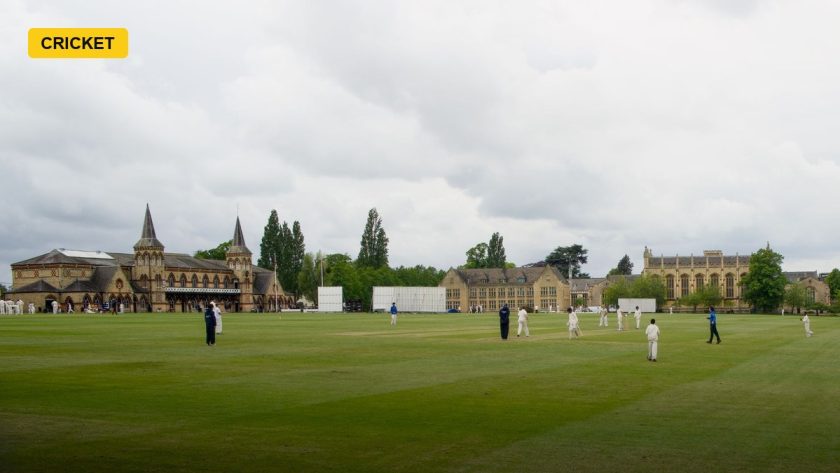
England and Cricket Australia have locked in the schedule for the 2027 Women’s Ashes, confirming a single Test at Headingley from June 24-27 as the centrepiece of a multi-format series that will run alongside the men’s Ashes for the first time, giving England’s women a defined target as they attempt to end a 13-year wait to reclaim the urn.
A Full Multi-Format Slate
Beyond the Headingley Test, the series will feature three Twenty20 Internationals on July 3, 6 and 9, spread across Trent Bridge, the Kia Oval and Emirates Old Trafford, followed by three One Day Internationals on July 13, 16 and 20 at Southampton, Lord’s and Birmingham respectively. The multi-format points structure, rather than the straightforward five-Test series used in the men’s game, means the Ashes will again be decided across all three formats, with points awarded for wins in the Test, T20Is and ODIs combined to determine the overall holder of the urn.
Redemption After a Whitewash
The context behind England’s buildup is stark. In the most recent series, played in Australia in the 2025 edition, England’s women were whitewashed 16-0, a result that extended Australia’s stranglehold over the rivalry and left England still searching for their first Ashes triumph since their last success 13 years earlier. That scoreline, a comprehensive sweep across every format and every match, has shaped much of the conversation in English women’s cricket since, with the gap to Australia’s all-conquering side becoming one of the most discussed issues in the English domestic game.
Scheduling It Alongside the Men’s Series
Running the women’s Ashes simultaneously with the men’s series represents a deliberate structural choice by the ECB and Cricket Australia, designed to maximise shared broadcast windows, sponsorship packages and crowd crossover between the two series during an English summer that will otherwise be dominated by men’s Ashes coverage. Headingley hosting the sole women’s Test continues the ground’s recent record of staging high-profile women’s Ashes fixtures, and the venue’s selection reflects its growing reputation as a favoured host for marquee women’s international cricket in England.
Standalone Status and the Bigger FTP Picture
The decision to give the Women’s Ashes clearly defined, standalone fixtures within the new Future Tours Programme reflects a broader shift in how the ECB has approached scheduling women’s international cricket, moving away from the more ad hoc arrangements of earlier years toward dedicated windows with guaranteed Test cricket built in. For a rivalry that has at times struggled to secure consistent Test match slots compared to the relentless Test scheduling of the men’s equivalent, locking in a defined women’s Test as part of the regular Ashes cycle marks a notable, if still modest, step toward parity.
Is One Test Enough? A Running Debate
Not everyone is satisfied with the balance struck. Advocates for faster growth in the women’s game argue that a single Test match, however prestigious the Headingley fixture, remains a fraction of the Test cricket afforded to the men’s Ashes and continues to under-represent the format at the elite women’s level, particularly given growing public and broadcaster appetite for women’s Test cricket following several closely fought recent fixtures. Administrators and some traditionalists within both boards counter that the current multi-format structure, weighted toward white-ball cricket, reflects practical realities, including player workload across a congested global calendar and genuine uncertainty about whether a longer Test series would draw comparable crowds and broadcast interest to the one-off fixture. Both camps broadly agree, however, that locking the series into a fixed, standalone slot in the FTP, rather than leaving it to be negotiated on an ad hoc basis each cycle, represents meaningful progress regardless of the ongoing disagreement over format balance.
What’s Next
England’s build-up to the 2027 series will be closely watched over the coming year, with squad announcements, warm-up fixtures and personnel decisions all likely to be framed against the shadow of the 2025 whitewash. Both boards are expected to confirm ticketing and broadcast details for the full series well in advance of the June 2027 start, giving England’s players an extended run-up to prove they can finally end Australia’s long dominance of the rivalry. County and state coaches will also be monitoring player workloads carefully in the lead-up, mindful that several squad members are likely to be juggling franchise T20 commitments elsewhere in the calendar before returning to red-ball and List A cricket in preparation for the series. How the ECB balances that scheduling tension against the need for proper Test match conditioning may ultimately prove as influential to the result as anything that happens once the series itself gets under way.
Photo: Ian / PEXELS via Pexels