
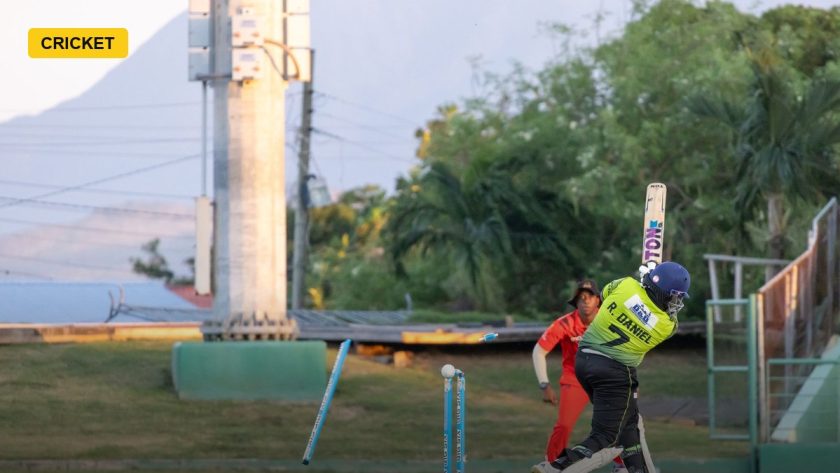
Scotland have confirmed their 15-player squad for the ICC Men’s T20 World Cup 2026, naming captain Richie Berrington to lead a group built around experience and a handful of fresh faces, none more notable than Afghan-born fast bowler Zainullah Ihsan, who earns a first senior call-up having only recently qualified to represent the country.
The Squad Steve Snell and Owen Dawkins Have Built
Berrington’s squad for the tournament reads: Richie Berrington, Tom Bruce, Matthew Cross, Bradley Currie, Oliver Davidson, Chris Greaves, Zainullah Ihsan, Michael Jones, Michael Leask, Finlay McCreath, Brandon McMullen, George Munsey, Safyaan Sharif, Mark Watt and Bradley Wheal, supported by travelling reserves Jasper Davidson and Jack Jarvis. Head coach Owen Dawkins and selector Steve Snell have opted for a blend of World Cup-tested campaigners and emerging talent, with Snell describing the group as “well-balanced” and suited to “a lot of different scenarios and challenges” Scotland expect to face in India, where the tournament will be staged.
Zainullah Ihsan’s Rapid Rise
The most eye-catching inclusion is Ihsan, a fast bowler born in Afghanistan who has not previously played international cricket for any country but has impressed selectors with performances in Scotland’s youth and A-squad set-ups. Scottish Cricket has described him as someone who has “shown an exciting range of skills and bowled at genuine pace,” earning a spot ahead of more established domestic quicks. His selection reflects a broader, slow-building trend in associate cricket, where players who relocate from regions with limited formal cricket infrastructure, including Afghanistan, have found international opportunities through adopted countries’ pathway systems once residency and qualification requirements are met.
A Return Act for Tom Bruce
Also notable is the inclusion of Tom Bruce, the 34-year-old all-rounder who played 17 T20Is for New Zealand before switching allegiance to Scotland, a move that gives Berrington’s side a batter with genuine experience at the game’s highest level. Oliver Davidson’s selection was similarly framed by selectors as a reward for “tremendous desire and work ethic in recent months to improve,” language that underscores how competitive the fringes of the squad were before final selections were locked in.
A Tough Group Awaits
Scotland have been drawn in Group C alongside England, Italy, Nepal and the West Indies, and will open their campaign against the West Indies on February 7 at Eden Gardens, one of world cricket’s most iconic venues. It will be Scotland’s seventh appearance at a Men’s T20 World Cup, a record of consistent qualification for a nation of their size and resources that administrators point to as evidence of steady progress in the Scottish game, even as a maiden knockout-stage appearance has so far remained elusive.
The Debate Over Qualification Pathways
Ihsan’s story sits at the centre of an ongoing conversation in global cricket about player eligibility and nationality switches. Advocates for flexible qualification rules argue that pathways allowing players like Ihsan, or Bruce before him, to represent adopted nations strengthen associate and smaller full-member sides that would otherwise struggle to compete with countries boasting far deeper playing populations, and that cricket’s growth depends on absorbing talent wherever it emerges rather than restricting it to birthplace. Critics, including some traditionalists within the sport, worry that an increasing reliance on players developed elsewhere risks crowding out opportunities for homegrown Scottish cricketers coming through junior club and school systems, and that a national team’s identity can be diluted if too great a share of a squad was not raised within the country’s own cricket culture. Scottish Cricket’s selectors have generally sided with the inclusive view, pointing to the ICC’s own eligibility framework and arguing that integrating talented newcomers, provided they meet residency rules, has been essential to keeping the national side competitive on the global stage.
What’s Next
Scotland’s preparation will intensify in the coming months with warm-up fixtures expected to be scheduled ahead of the tournament’s February start in India. All eyes will then turn to the February 7 opener against the West Indies at Eden Gardens, a match that will offer the clearest early indication of whether this blend of experience and fresh faces, Ihsan included, can finally push Scotland beyond the group stage they have yet to escape. Scottish Cricket is also expected to use the warm-up period to clarify Ihsan’s role within the bowling attack, whether as a strike option in the powerplay or as a late-innings specialist, a decision likely to shape team balance throughout the tournament. How he performs under that pressure, against sides with considerably more World Cup experience, will say a great deal about whether Scotland’s pathway for newly qualified players can keep producing contributors rather than one-off curiosities.
Photo: Jermaine Lewis / PEXELS via Pexels